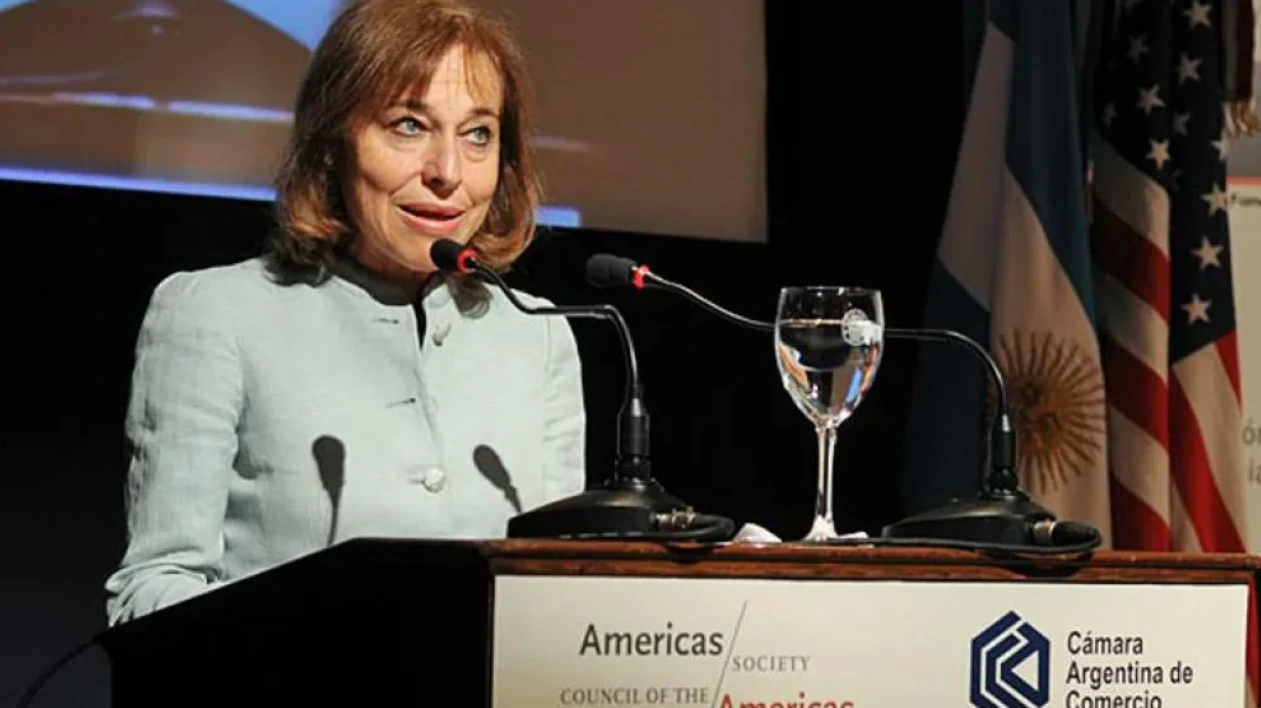
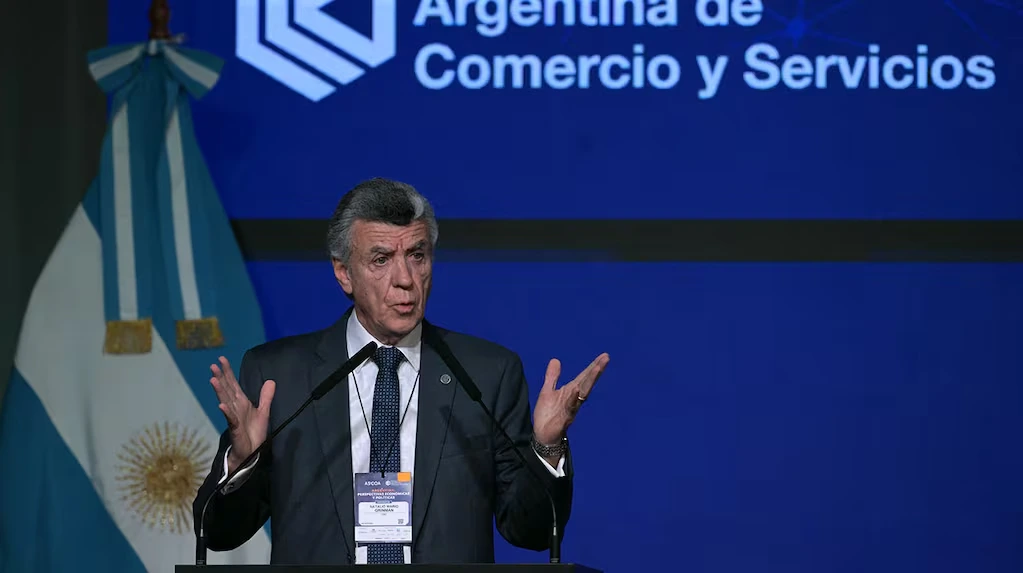
Mario Grinman from the Chamber of Commerce and Susan Segal from the Council of the Americas highlighted the historic opportunity for Argentina and supported the path initiated by the Government
The president of the Chamber of Commerce, Mario Grinman, and the head of the Council of the Americas, Susan Segal, agreed to support the economic direction of the Government and called for its maintenance to take advantage of what they defined as a historic opportunity for Argentina. They made this statement at the inauguration of the 23rd meeting organized jointly by both entities, where the speech of President Javier Milei is expected.
Grinman acknowledged that activity does not grow evenly and that many companies had to close or reduce staff. However, he emphasized that this cost is part of the process of change. “It’s not all rosy, not everything is fine, but transformations mean sacrifices, pain. But it’s worth it if it’s the price to transform our country, so that our children, grandchildren in my case can live in a normal country,” he stated.
The business leader expressed full support for the current management and made it clear which side he wants to be on. He questioned the policies of Kirchnerism and also those entrepreneurs who became accustomed to the comfort of a State that regulated and controlled almost everything. “With a paternalistic State, we didn’t have much to decide, and if things went wrong, we had someone to blame,” he pointed out.
The head of the Council of the Americas, Susan Segal
the head of the Council of the Americas, Susan Segal
According to Grinman, unleashing the potential of the private sector allowed for rapid expansion in areas that were underutilized, such as oil and the resources of the Andes, which today generate the foreign currency the country needs. He also highlighted the role of new technologies, artificial intelligence, and the agricultural sector in future development.
The Perspective of the Council of the Americas
Susan Segal reinforced the message by emphasizing that this is a special moment. “Argentina has the opportunity not only to grow but to become one of the great economic engines of Latin America again,” she stated. To turn that possibility into reality, she considered it essential to maintain the course, macroeconomic stability, clear rules, legal security, openness to investment, and continuity in reforms.
The president of the Council invited thinking beyond borders and pointed out that large projects can transform the region. She emphasized the need for greater infrastructure, connectivity, and better corridors to the Atlantic and the Pacific. In this regard, she called for an agreement between Argentina and Chile to facilitate the Pacific exit of oil and gas production from Vaca Muerta, as well as mining resources.
The president of the Chamber of Commerce, Mario Grinman
Segal considered that such initiatives could create new engines of growth for both the country and Latin America, and elevate the region's weight in the global economy. Cooperation between the national government, the provinces, and the private sector appears, in her view, as an indispensable condition.
Grinman closed his intervention with a call to consolidate the current model: “If we continue this model, not without sacrifices, and consolidate it, do not doubt that we will have a spectacular country.” Both leaders agreed that the cost of adjustment is high, but that the possible outcome justifies the effort.