“For a Free Iran”: An Iranian prayer app was hacked and messages were sent calling for rebelling against the regime
They hacked the religious app, BadesAba Calendar, and called for rebelling against the regime.
porEditorial Team
Argentina
Messages encouraging defections appeared on millions of Iranian cell phones after an alleged hack.
In the midst of the military escalation between Israel, the United States and Iran, a new dimension of the conflict opened up in the digital arena. A popular Islamic application used to check prayer times has reportedly been hacked. The intervention was used to send mass messages urging members of the security forces to desert the regime
.
The affected app would be BadeSaba Calendar, which is widely used to consult the Persian calendar and prayer times. According to public data, it exceeds five million downloads on Google Play alone, giving it a potential reach of millions of users within the country.
The Iranian intervened prayer app - BadesABA Calendar
Mass messages and hybrid war
According to reports released by the Israeli daily Maariv, the application was seized and began sending push notifications in Persian on Saturday morning
.
Within a period of approximately 30 minutes, at least three messages would have been sent:
“Help has arrived.
”
“Amnesty for anyone who takes up arms against the regime.”
“Lay down your weapons or join the liberation forces. For a free Iran.”
Screenshots began to circulate on social networks before internet access in the country abruptly plummeted.
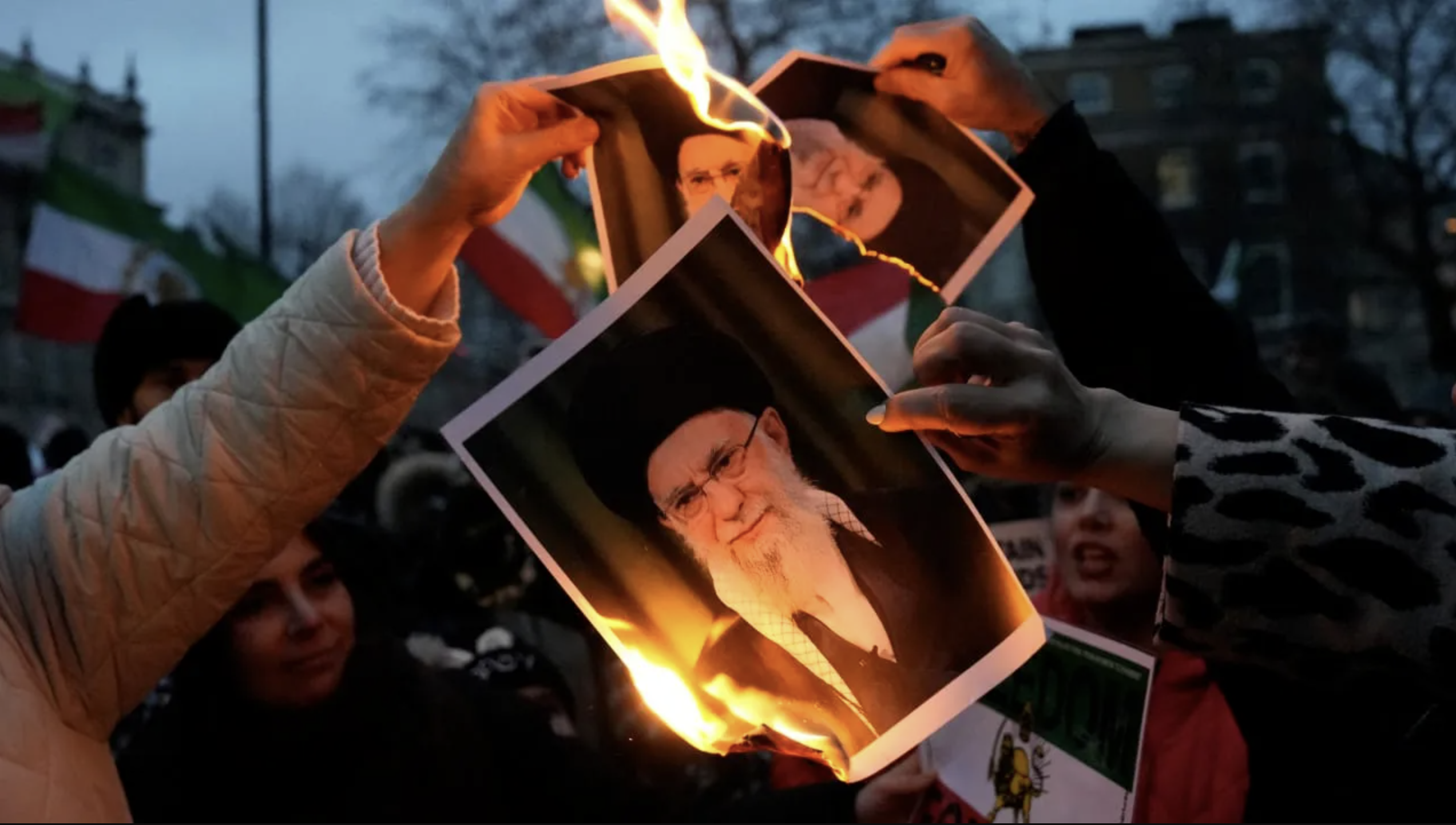
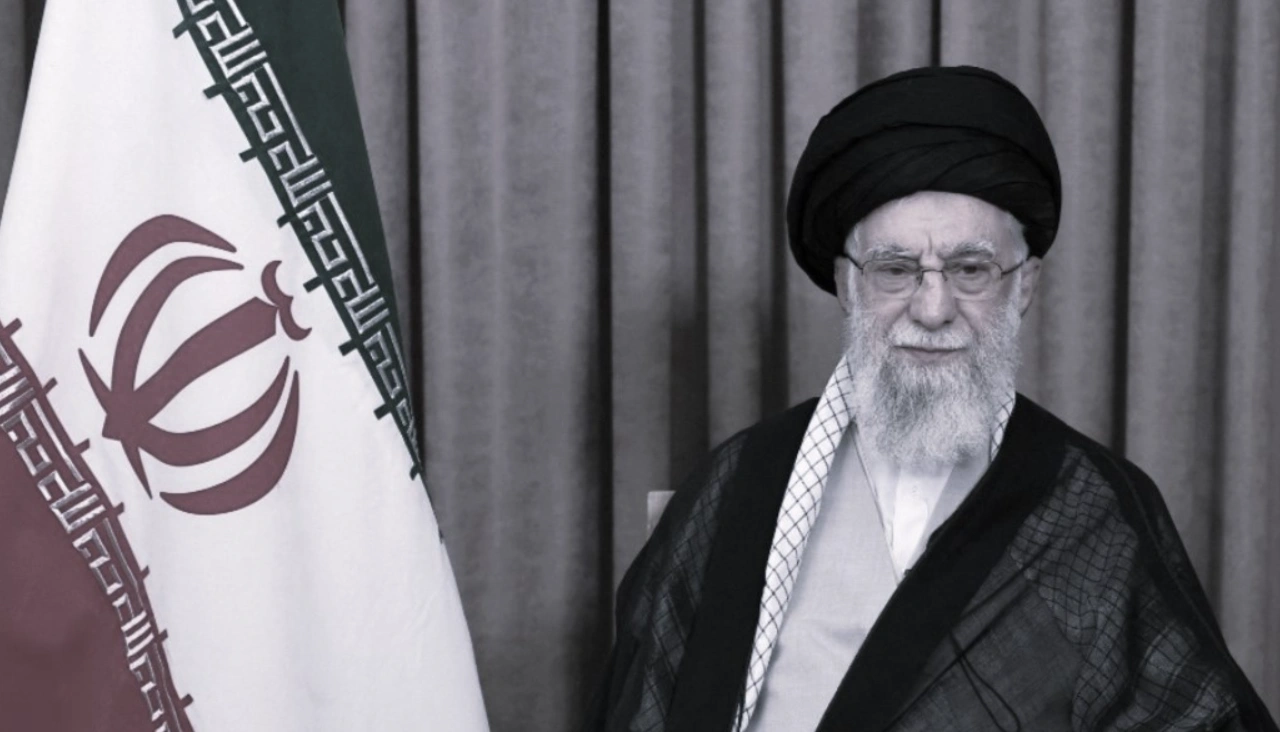
Celebrations after the confirmed death of Supreme Leader Ali Khamenei
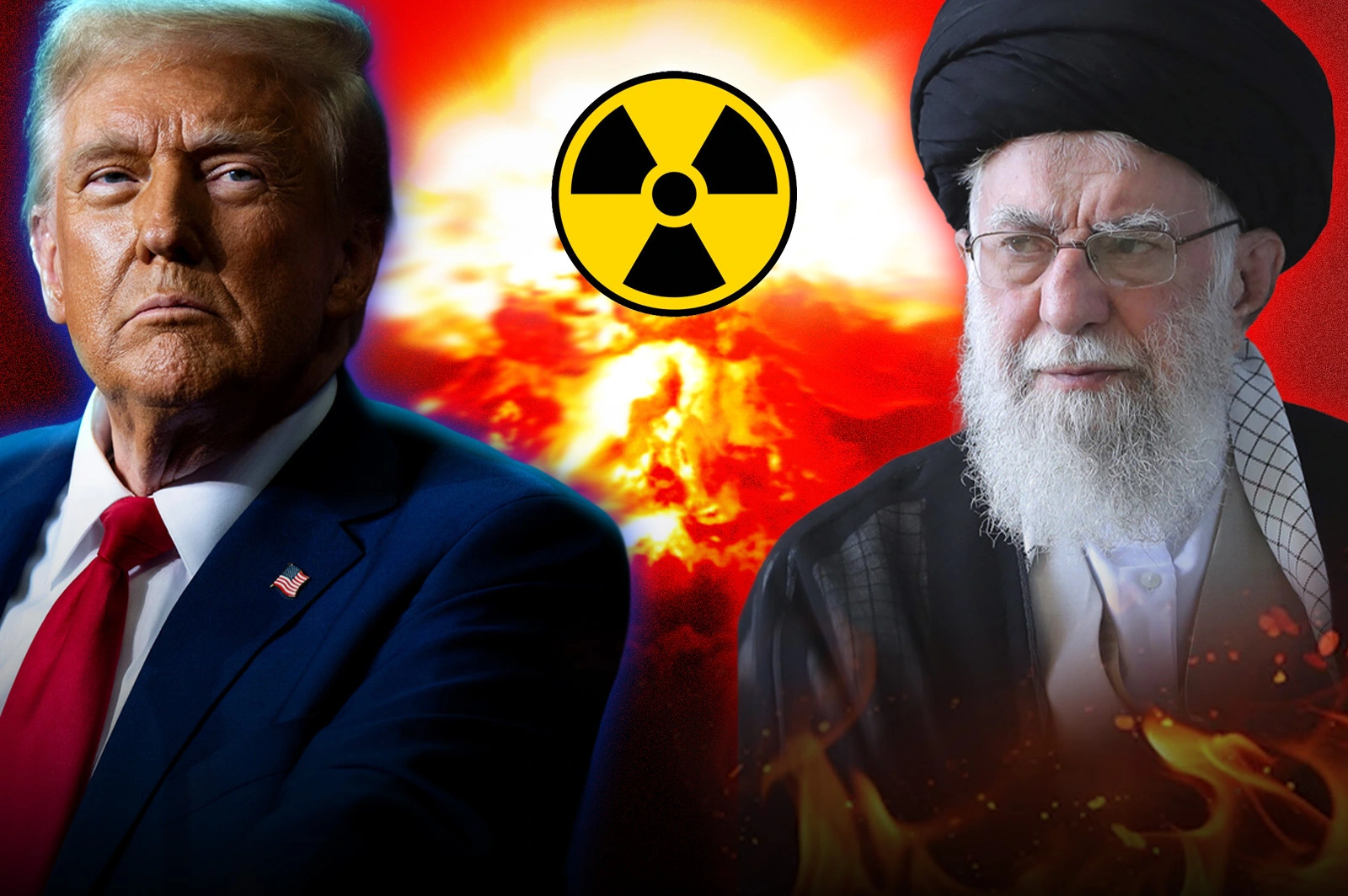
The message “Help has arrived” was interpreted by some analysts as a possible reference to previous statements by US President Donald Trump, who in January promised support to the Iranian people in the face of the Islamic regime. However, so far there is no official confirmation as to who carried out the hack.
The global connectivity monitoring agency NetBlocks reported that, after the incidents, Internet access in Iran fell to just 4% of normal levels, suggesting a large scale digital blackout.
The episode occurs in parallel with bombings against Islamic Revolutionary Guard Corps (IRGC) facilities and strategic objectives of the regime.
International human rights organizations have reported thousands of arrests and forced disappearances as part of the repression. In this scenario, the use of a religious application to send messages against the regime acquires a symbolic and strategic dimension
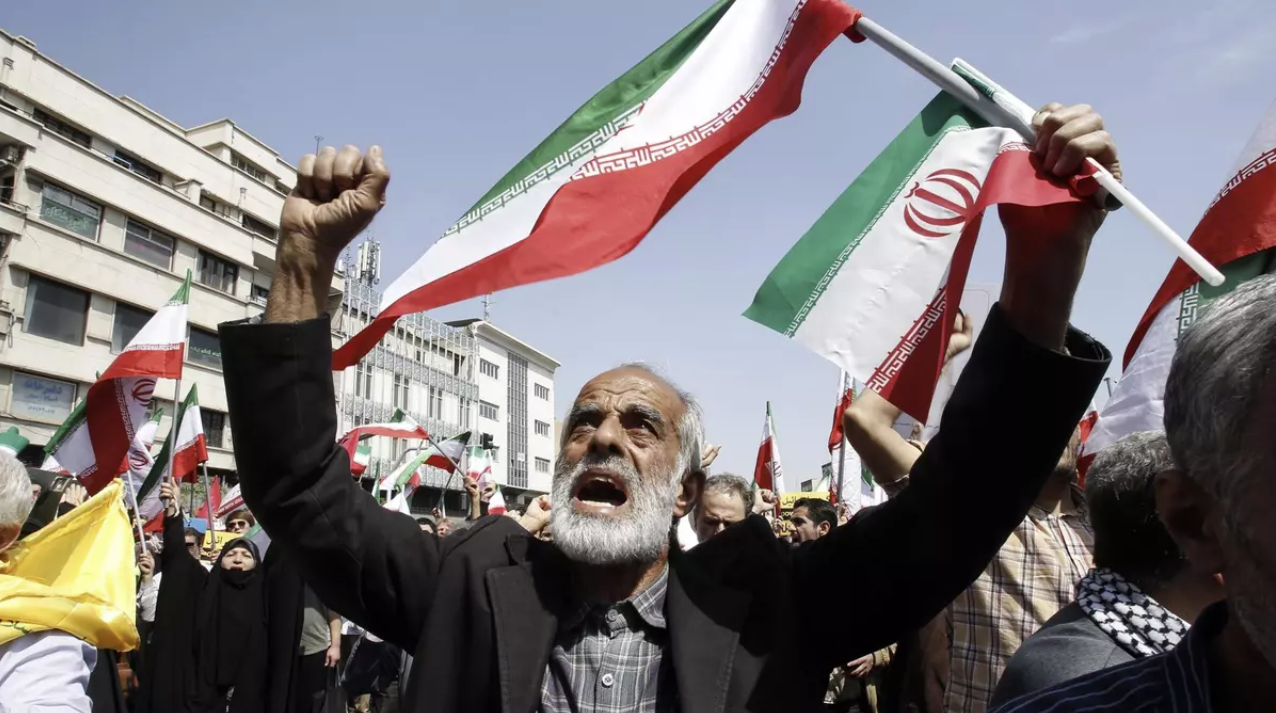
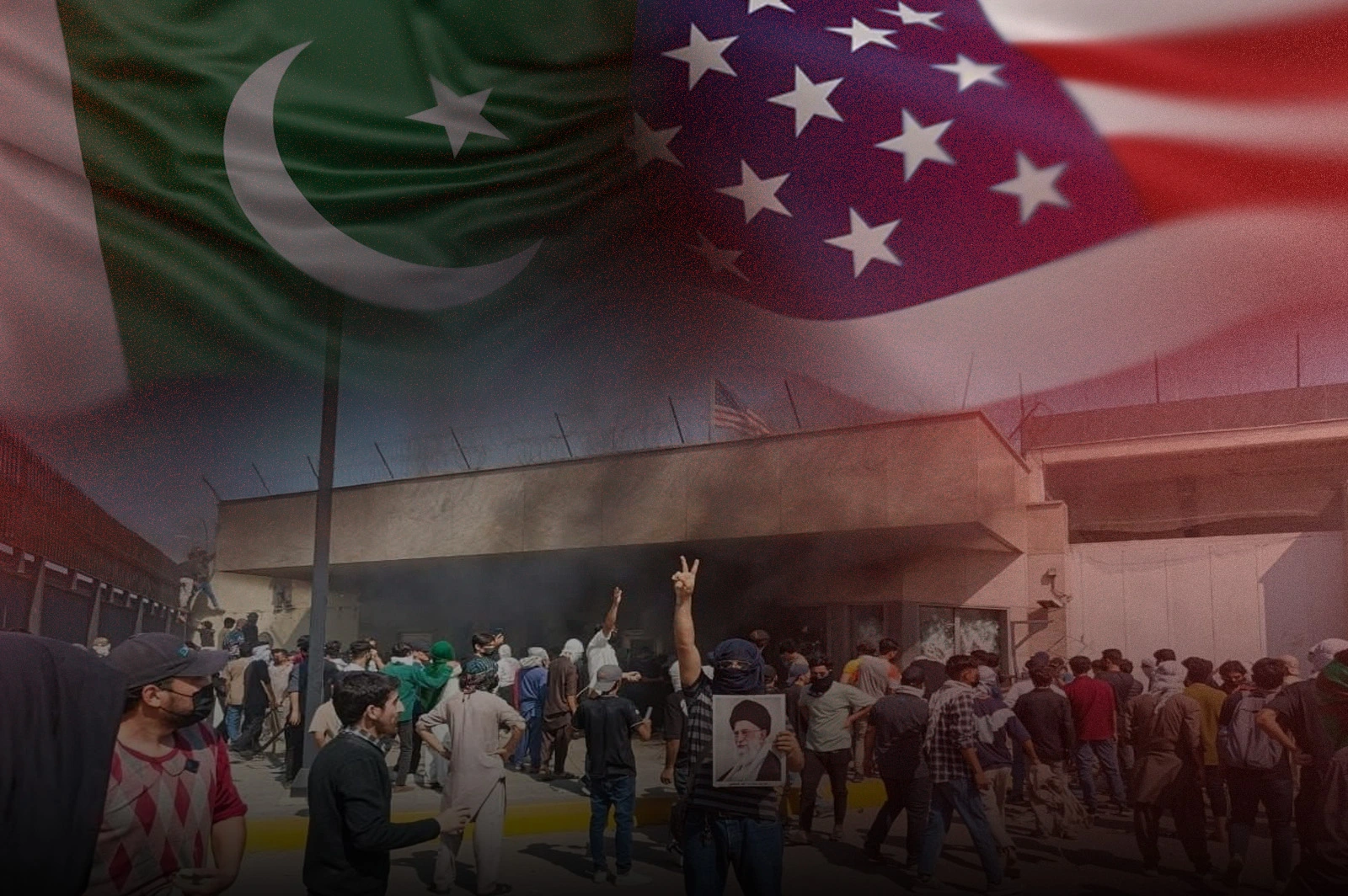
. Protester in Tehran raises the Iranian flag during a mobilization amid regional escalation
A New Front in the Confrontation The
episode reflects a profound change in the nature of the conflict.
Israel would not only be confronting the Iranian regime on the traditional military level, but also disputing control of the narrative and of the digital infrastructure within Iranian territory itself.The cell phone as a new battle front
If confirmed, the hack would demonstrate an advanced cyberwarfare capability aimed not only at deactivating military threats, but also at weakening the internal cohesion of a regime that maintains its stability in the loyalty of its
security forces.
In a scenario where the conflict is no longer being waged solely with missiles, but also with information and technology, the digital offensive sets a precedent: the battlefield is also the cell phone.