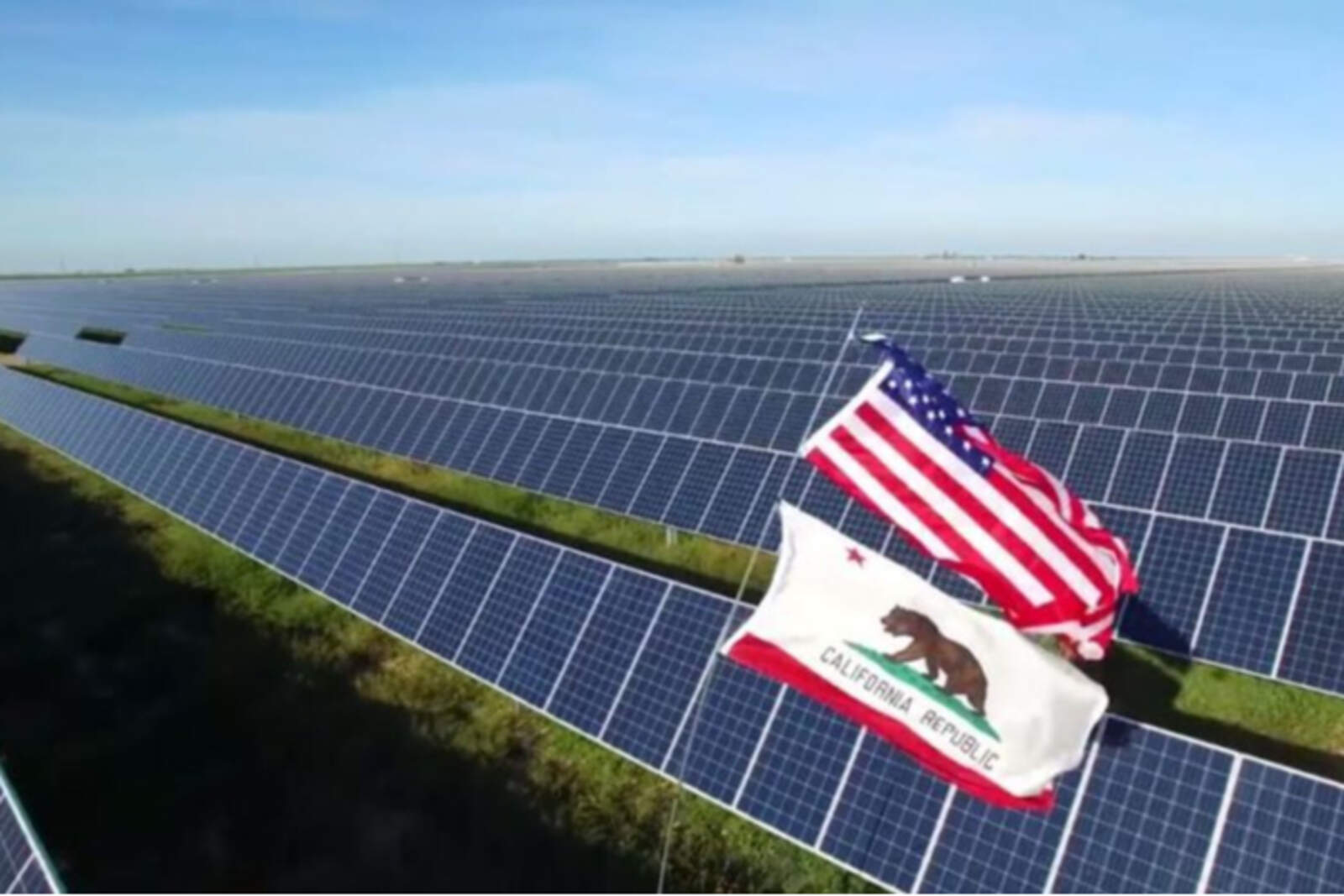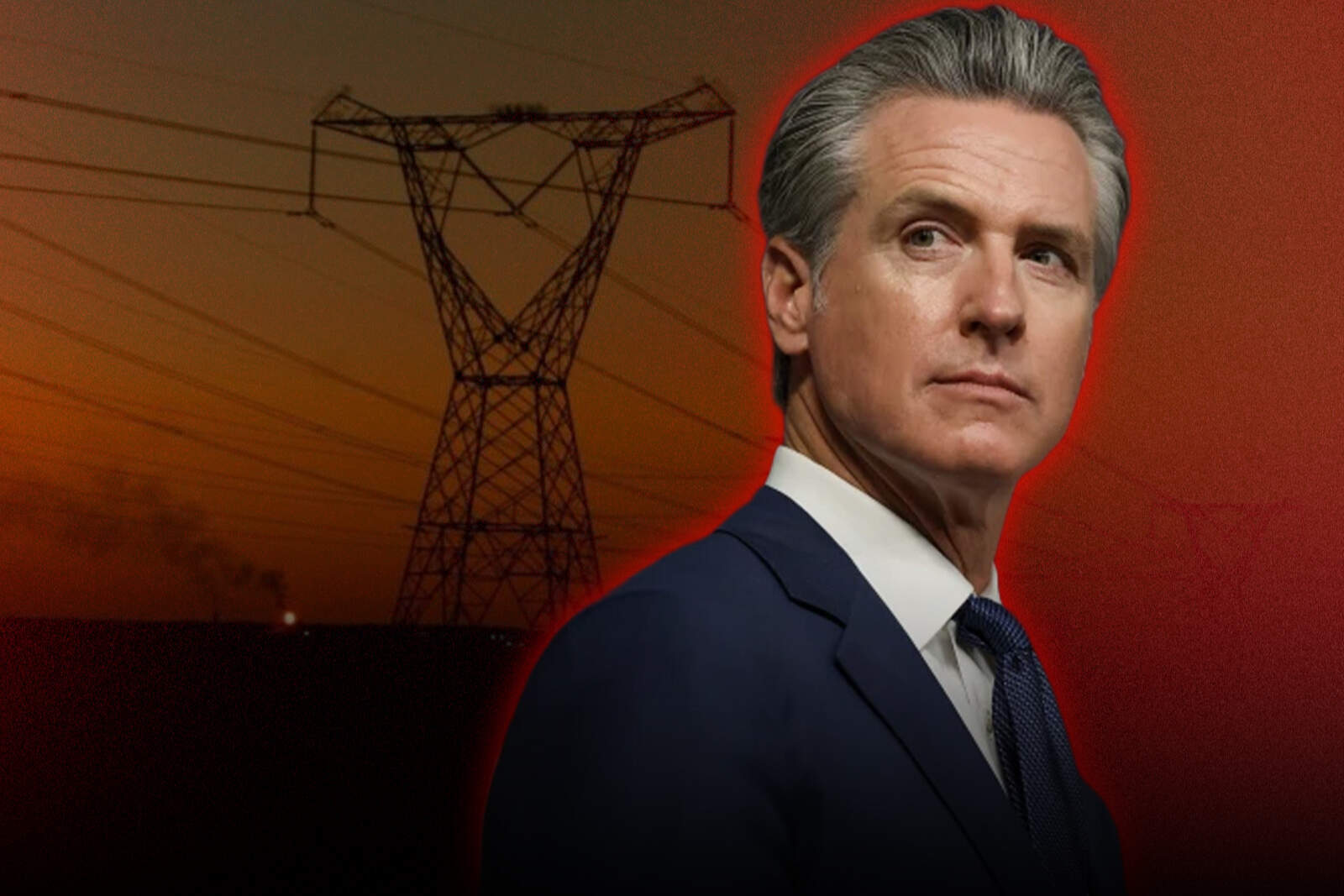

The increase in electricity prices in California has become a new source of political pressure for Democratic Governor Gavin Newsom, in a context marked by the high cost of living and growing social unrest.
In the last six years, Californians' electricity bills have increased by 39%, the largest rise recorded in the United States, according to a study by the Haas Energy Institute at the University of California, Berkeley.
This figure places California well above the rest of the country. Between 2019 and 2025, most states kept their electricity rates in line with inflation or even managed to reduce them.
States such as Arizona, Minnesota, Missouri, Tennessee, Mississippi, and North Carolina barely recorded increases of 1%, while in Nevada rates fell by 12% and in Iowa by 8%. This comparison has fueled criticism of the energy policies promoted from Sacramento during Newsom's term.
The impact of the increase in rates is occurring in a state that already leads the national ranking for cost of living. According to the Transparency Foundation, California families pay around 30,000 dollars more per year than the national average for basic expenses such as food, fuel, water, and childcare. The rise in electricity prices is therefore adding to constant economic pressure on households, especially those with middle and low incomes.
State legislators have expressed their concern about the situation. Assemblymember Tri Ta, a member of the Public Services and Energy Committee, warned that the continuous rate hikes are directly affecting working families.