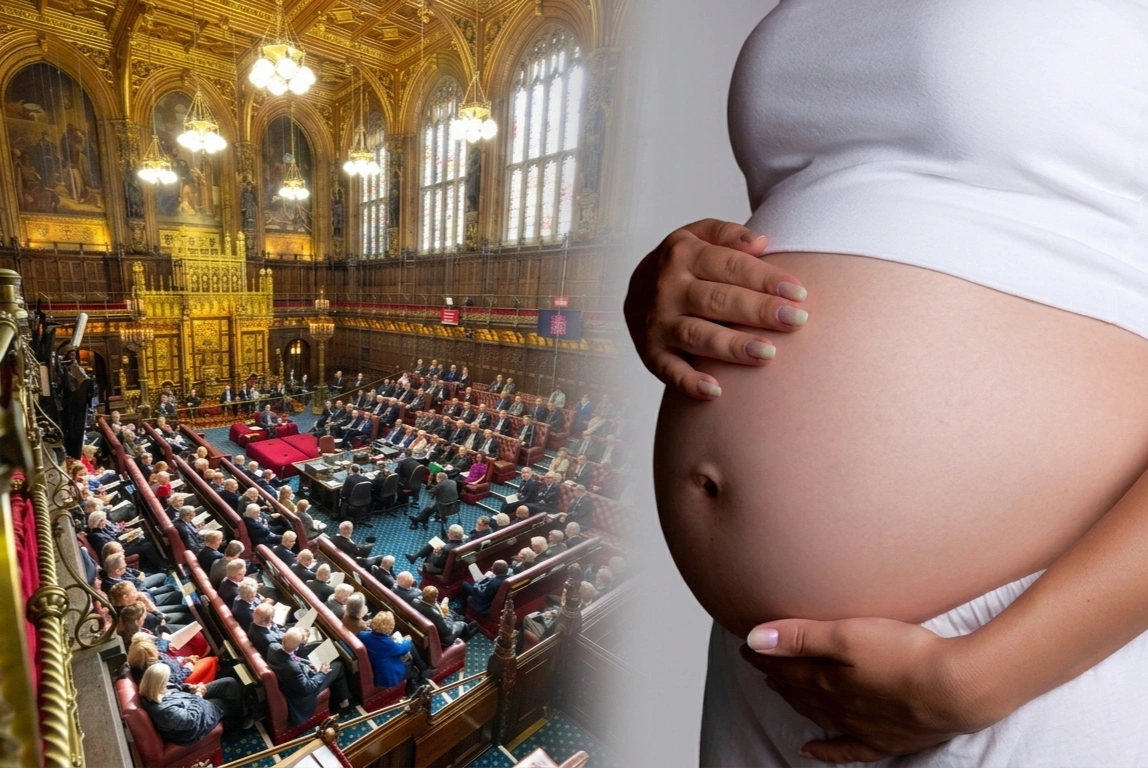
With 185 votes against and 148 in favor, the House of Lords of the United Kingdom refused to stop the reform and set out to legalize abortion at any stage of pregnancy, even on the same day of birth, amid strong criticism of the pro-life movement.
In the midst of a climate of strong political and moral controversy, the Parliament of the United Kingdom moved forward with a reform that many analysts consider to be one of the most radical in terms of abortion in Europe. The decision was backed by the House of Lords, which gave the green light to an amendment that opens the door to the expansion of abortionat any time of pregnancy, even on the same day of birth, within the framework of a larger bill on crime and police
.
The vote in the upper house left a convincing result: 185 votes against and 148 in favor of the amendment that sought tostop the elimination of criminal sanctions for terminating pregnancy, even at very advanced stages of pregnancy. By rejecting that proposal, the lords allowed the liberalization process, which had previously passed the procedure in the House of Commons, to continue. With this new parliamentary step, the path for its definitive implementation is practically clear
The change involves a profound modification of the existing legal framework in England and Wales.
Until now, abortion was classified as a crime, although it was allowed under certain conditions—usuallyup to 24 weeks—and with exceptions in serious situations. The new provision eliminates this criminal component for women, which represents a significant break with the previous system and consolidates an approach to total decriminalization
.
During the legislative debate, other proposals related to the topic were also discussed. One of them sought to re-establish mandatory face-to-face consultations before prescribing abortion pills. However, the initiative was rejected by 191 votes to 119, which implies that the model established during the pandemic, which allows early abortions to be performed at home, will be maintained. In parallel, the chamber gave the green light to another relevant measure: pardoning women who had been convicted in the past for terminating their own pregnancies, thus reinforcing the approach to decriminalization promoted by progressive sectors of the
British political system.
The amendment that tried to block the reform was promoted by Baroness Monckton, who warned that this was an enormous change in the country's legislation. Among the concerns raised during the parliamentary debate was the risk that abortions in late stages of pregnancy could increase without direct
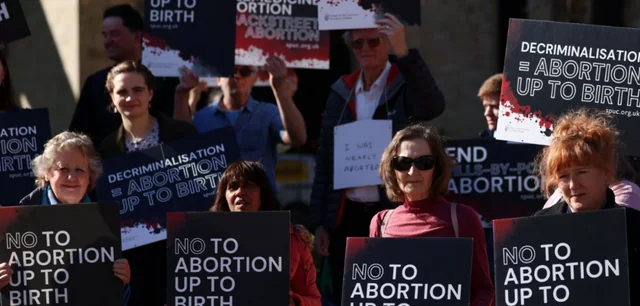
medical supervision. Demonstration in the United Kingdom
Outside the Parliament, different organizations reacted harshly to the decision. From the pro-life group Right to Life, its spokesperson Catherine Robinson described the measure as one of the most extreme measures adopted in the British legislative sphere and warned of its possible social and ethical consequences
.
The social context also reflects a marked division in public opinion. According to a survey cited during the parliamentary debate, citizen support for the possibility of abortion until the end of pregnancy would be very low. Despite this, the reform is still being processed and, in the absence of completing the last legislative steps, the clause is not expected to be eliminated in the remaining phases of the process, thus consolidating a historic shift in the country's legislation and fueling a debate that already transcends the borders of the