Founder of Ciudad Futura, Tepp was part of the occupation of 'Tambo La Resistencia' and defends the Chavista model
Compartir:
Caren Tepp, former Rosario councilor and current Kirchnerist candidate, presents herself as the "young face" of Santa Fe progressivism. However, behind the feminist and "renewal" discourse, there is a figure with a long history of communist activism, ties to authoritarian regimes, and a judicial scandal over the usurpation of private land.
Tepp was one of the founders of the Giros movement, which later became the Ciudad Futura party, an organization that in its founding charter openly declares its objective: "the construction of 21st Century Socialism". Inspired by the processes in Venezuela and Bolivia, the document states that the political path must "move away from the market and corporations" and promote the "collective participation of the people in decision-making". Tepp junto al kirchnerista y okupa Juan Grabois
In Rosario, Tepp and her group were at the center of one of the most controversial episodes in recent years: the occupation of the field known as "Tambo La Resistencia", located in the Nuevo Alberdi area. The land belongs to Mario Benito Jáuregui, who in 2007 had rented it to Oscar Licera. When the contract expired, Licera refused to return the property and, with the support of the Giros Movement —to which Tepp belonged—, took over the property by force.
The courts repeatedly ruled in favor of the owner, ordering eviction and upholding the rulings at every level, including the Court of Appeals. However, the process was halted thanks to the political pressure of then-councilors Caren Tepp and Juan Monteverde, who intervened to prevent the judicial order from being enforced "without resorting to public force".
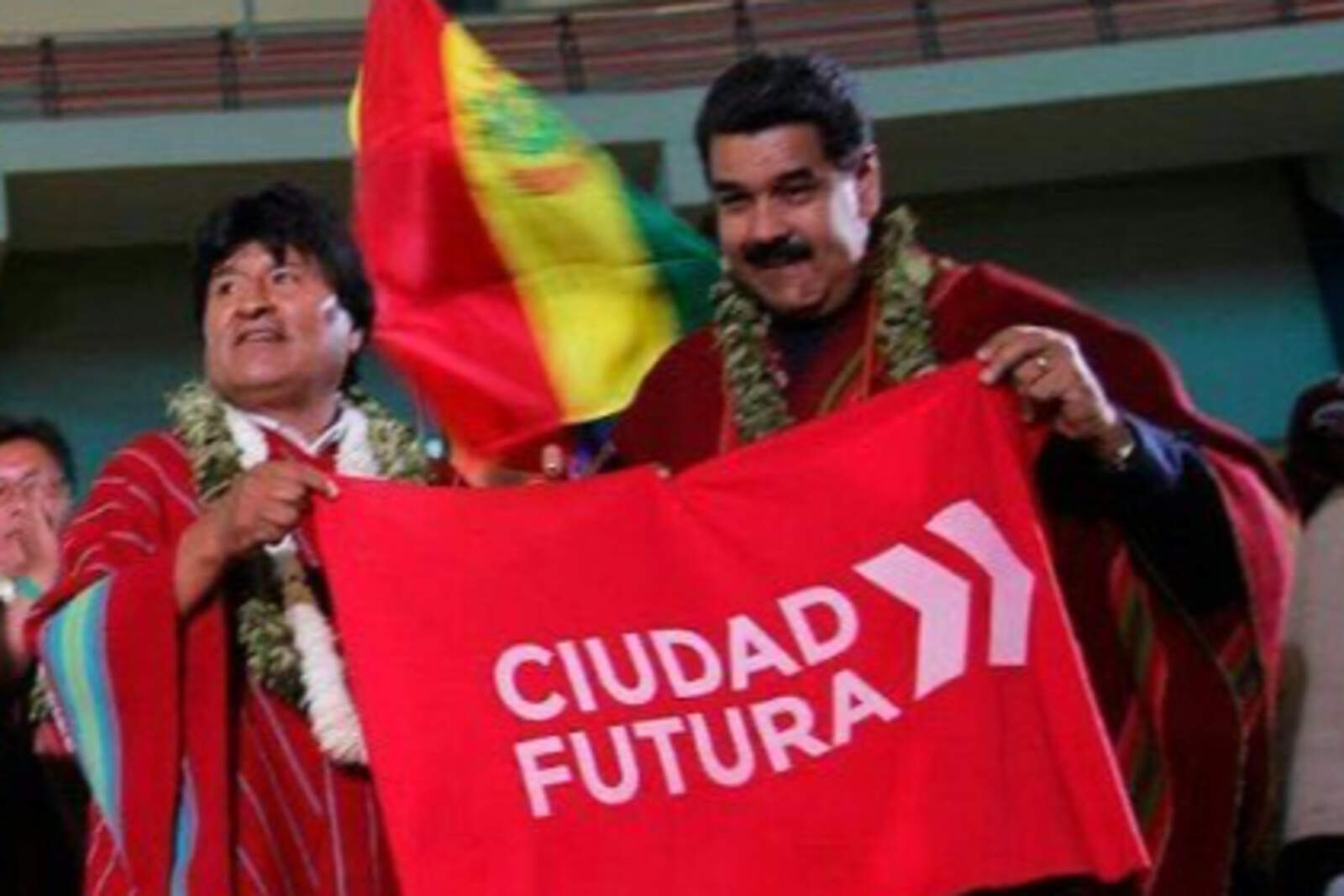
Evo Morales y Nicolás Maduro con la bandera de Ciudad Futura
Far from being an isolated incident, the case reflects the logic of the party that now promotes Tepp: an organization that defends expropriation, rejects private property, and vindicates totalitarian regimes. In 2017, Tepp was recognized by the Bolivian Consulate as a "builder of the Patria Grande", and her political group openly celebrated the victories of Evo Morales and Nicolás Maduro, whom they consider leaders of a supposed Latin American model alternative to "neoliberalism".
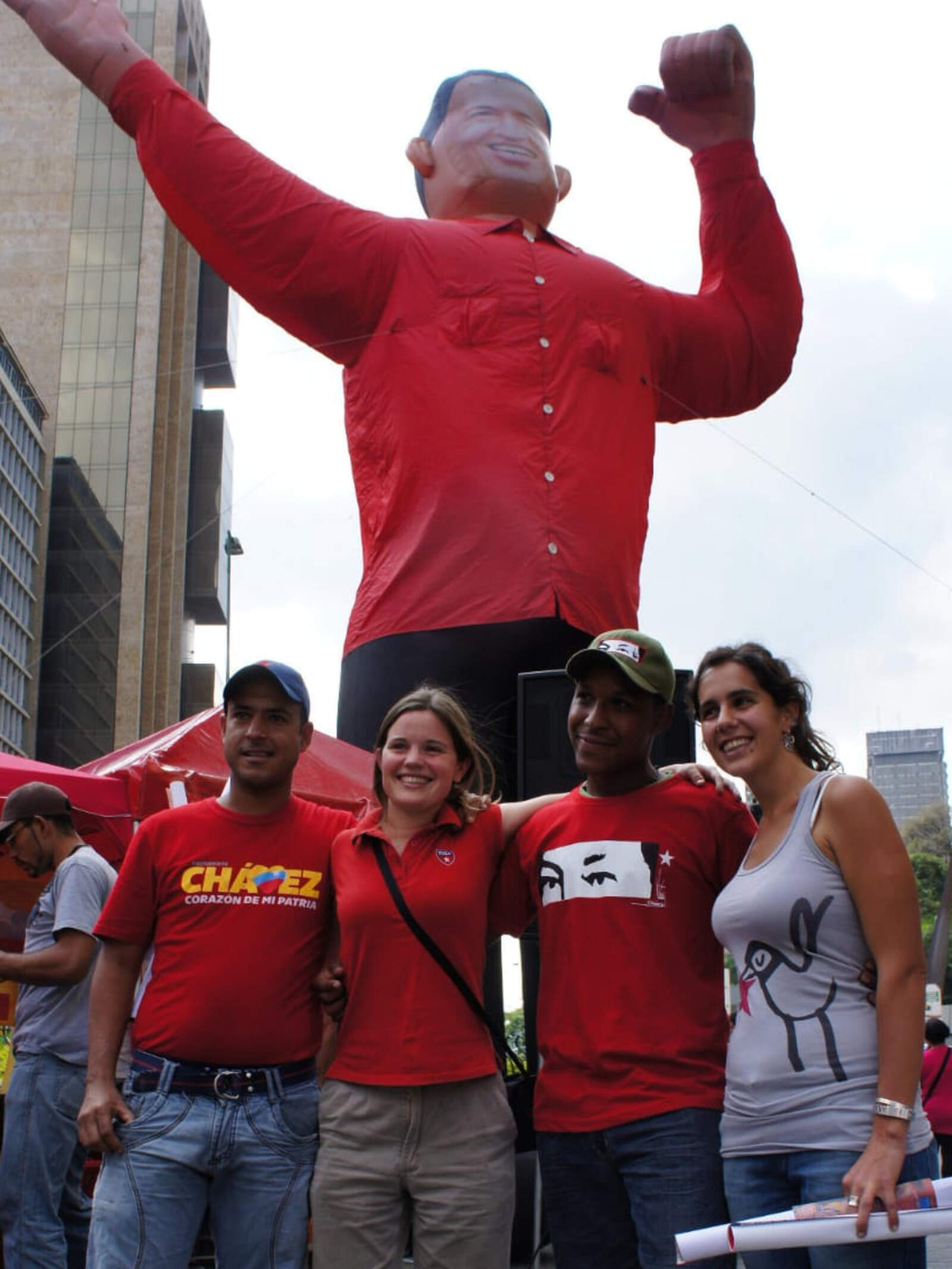
Caren y militantes de Ciudad Futura frente a inflable de Chavéz.
The same party that bans gated communities in Rosario and attacks private investment now presents itself under the Peronist umbrella as a "renewing" force. But its true identity is written in its own documents: Ciudad Futura is an openly socialist, anti-capitalist project allied with the most authoritarian regimes on the continent.
This ideological framework is further reinforced by its connection with Juan Grabois, a central figure in Kirchnerist piquetero circles. During Alberto Fernández's administration, the father of Juan Monteverde —Tepp's partner and leader of Ciudad Futura— received million-dollar contracts and consulting fees from FISU, an agency then headed by Grabois.
Caren Tepp reflects the advance of the most ideologized Kirchnerism: one that downplays private property, sympathizes with authoritarian regimes, and seeks to disguise socialism under the narrative of "renewal". Far from representing a modern alternative, her project repeats the formulas that have plunged Latin America into poverty and corruption.