The former Minister of Economy under Néstor testified as a witness and stated that an internal investigation found indications of collusion in road contracts.
During his testimony, Lavagna also asserted that he personally informed Néstor Kirchner about the concerns raised by the World Bank and about the measures being taken to gather elements for a potential external investigation. "I spoke about it with President Kirchner", he stated before the court.
Roberto Lavagna confirmed before the Justice that during the Kirchner era, average overpricing of 20% was detected in National Road contracts and that these irregularities did not appear as isolated cases, but as part of a mechanism compatible with a cartelization of public works.
The former Minister of Economy testified this Thursday as a witness in the trial derived from the Cuadernos case, before the Federal Oral Court No. 7, and provided a central piece of information for the investigation into the contracting system during the governments of Néstor and Cristina Kirchner. As he explained, the alarms were raised following warnings from the World Bank, an organization that financed road works in Argentina and expressed concern about how the programs were being executed.
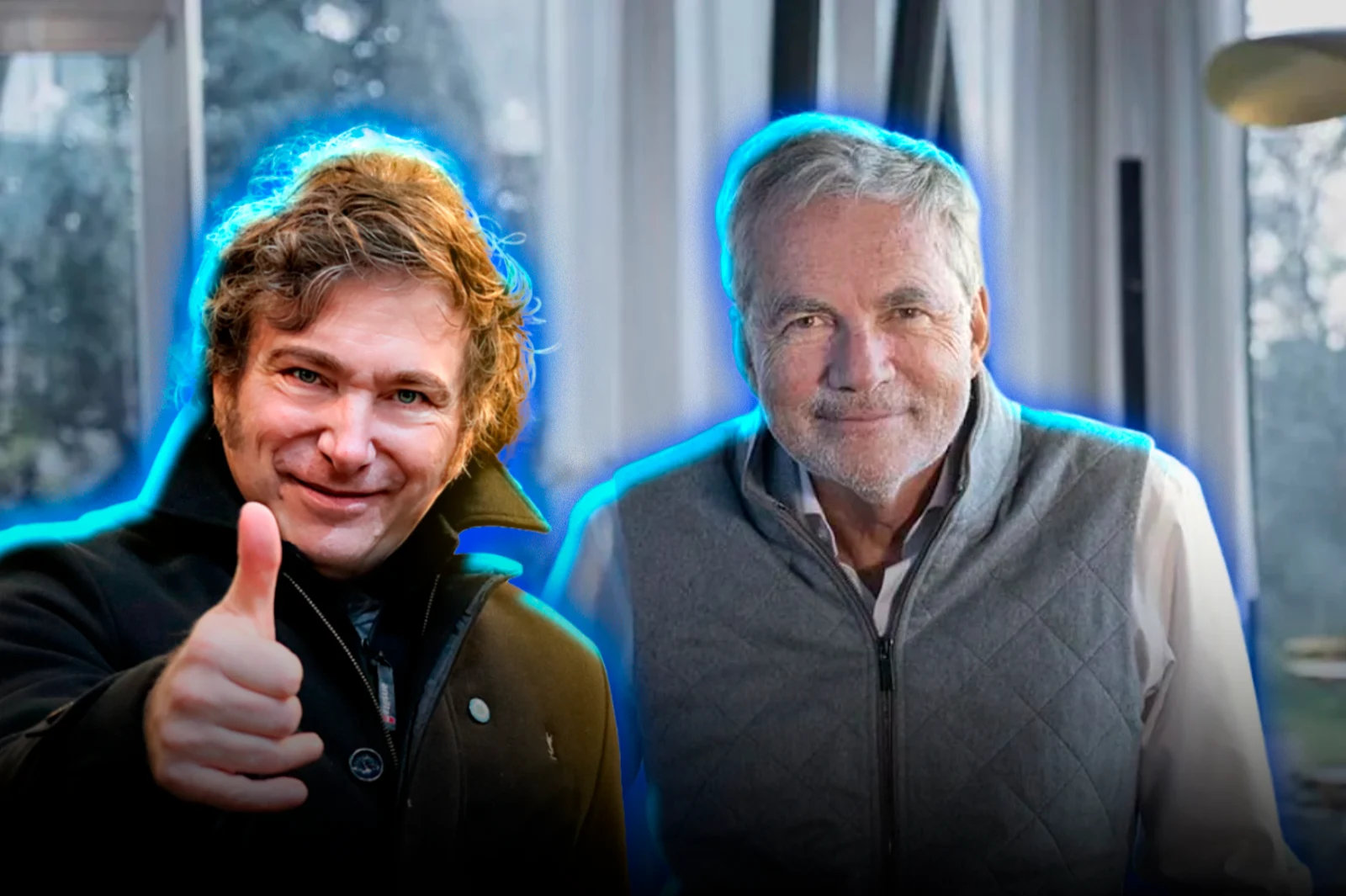
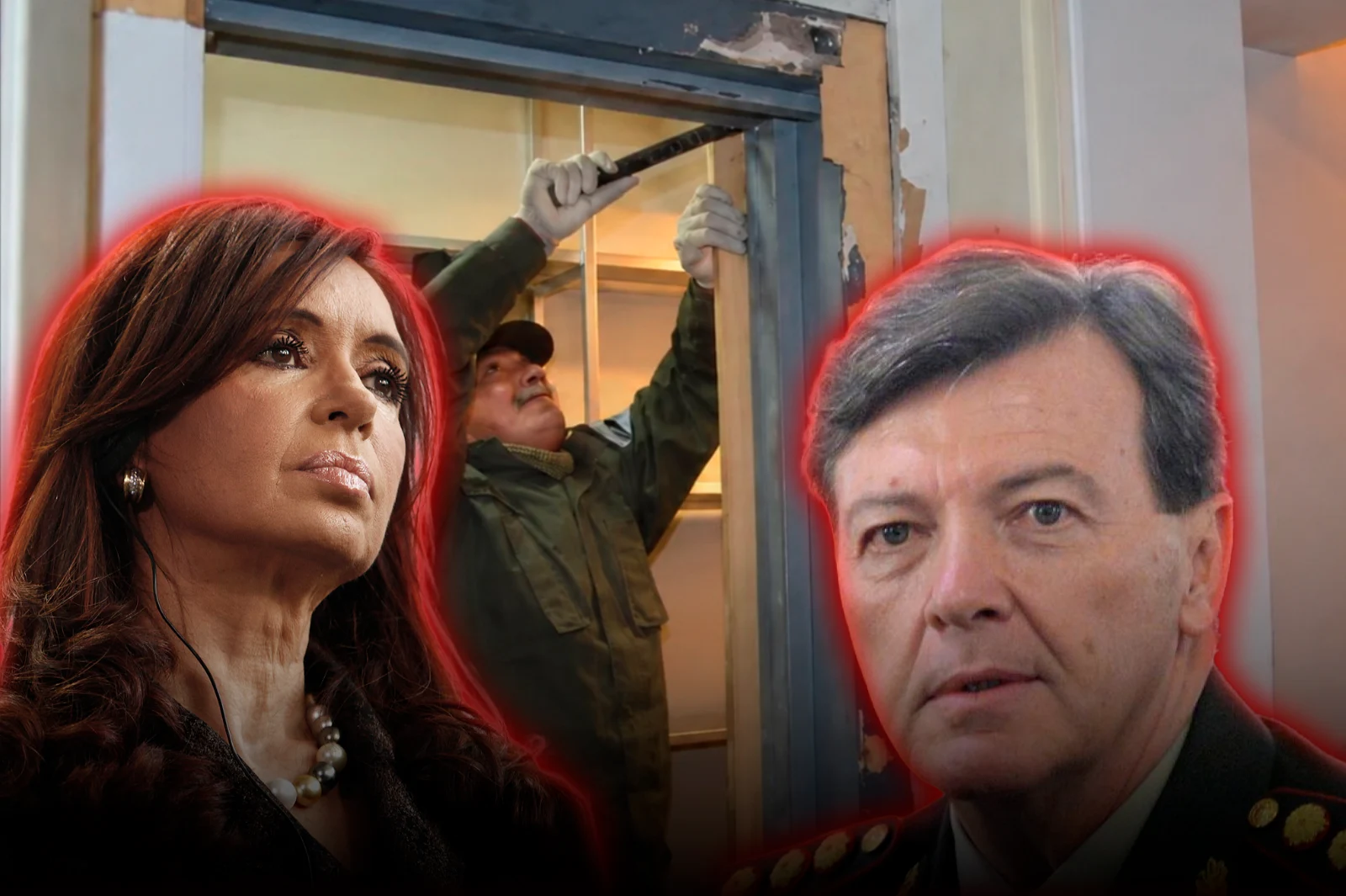
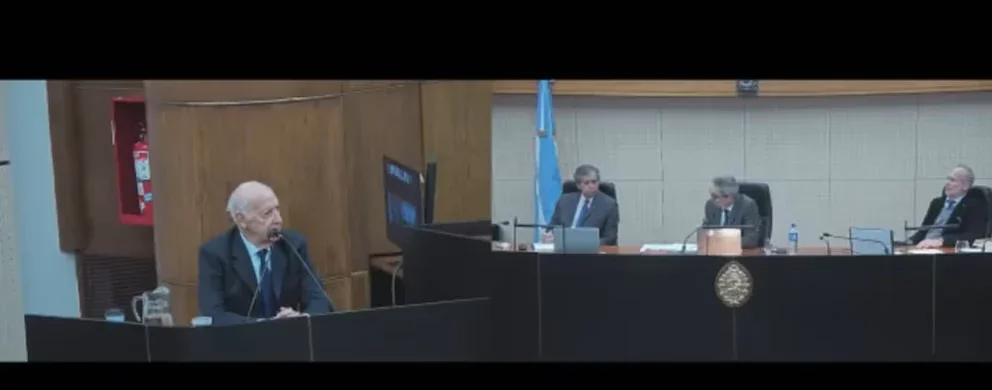
Carlos Lavagna in the trial against the convicted Cristina Kirchner.
Lavagna recounted that, in response to that international warning, he ordered the preparation of an exploratory report on National Road, the area that generated the most concern. That study, conducted between May and August 2006, detected "doubts about a certain process of cartelization of contracts" and margins of overpricing averaging around 20%, with cases that may have even exceeded that percentage.
The former official stated that, once those results were known, he requested the urgent intervention of the National Commission for the Defense of Competition to deepen the investigation. As he recalled, that agency began to work on various cases of anti-competitive practices, and then emblematic files emerged, such as those related to cement companies and gas for hospitals.
One of the strongest points of his testimony came when he explained that the detected indications did not correspond to separate events, but to a broader dynamic within the public contracting system. He declared that the preliminary report indicated that these were not isolated episodes, but a mechanism that allowed for the discussion of cartelization.
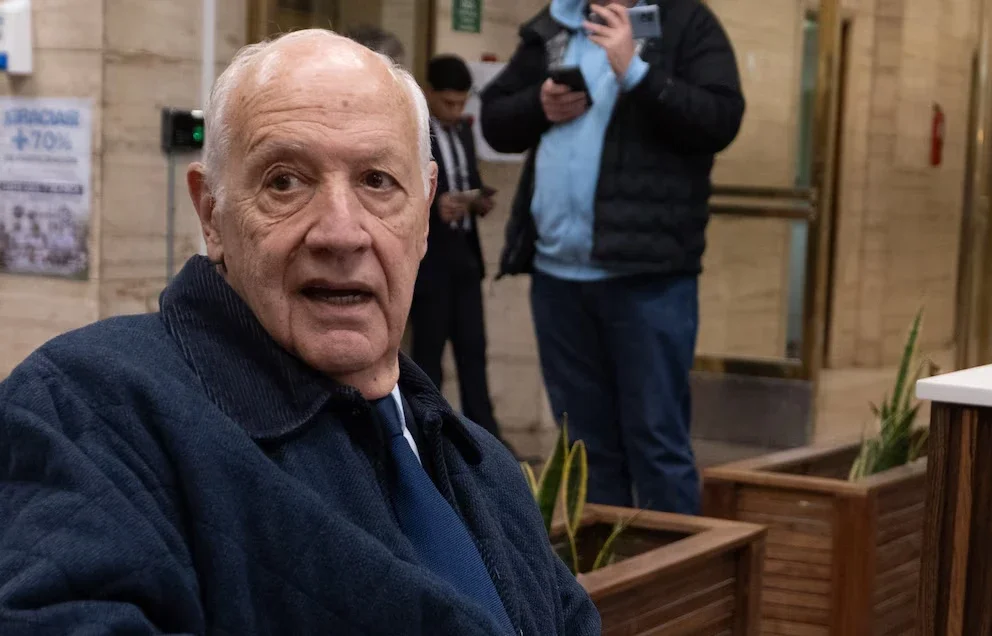
Roberto Lavagna in Comodoro Py.
The statement was made in the context of the case known as "Camarita," a spinoff from the Cuadernos file that investigates alleged corruption maneuvers in civil public works, energy, and transportation. This part of the case seeks to determine how the scheme of kickbacks, directed awards, and agreements between businessmen and officials operated during the Kirchnerist mandate.
Lavagna's testimony carries particular weight because it comes from someone who held the Ministry of Economy during the early years of Néstor Kirchner's government and because it confirms that suspicions about public works already existed within the cabinet itself.