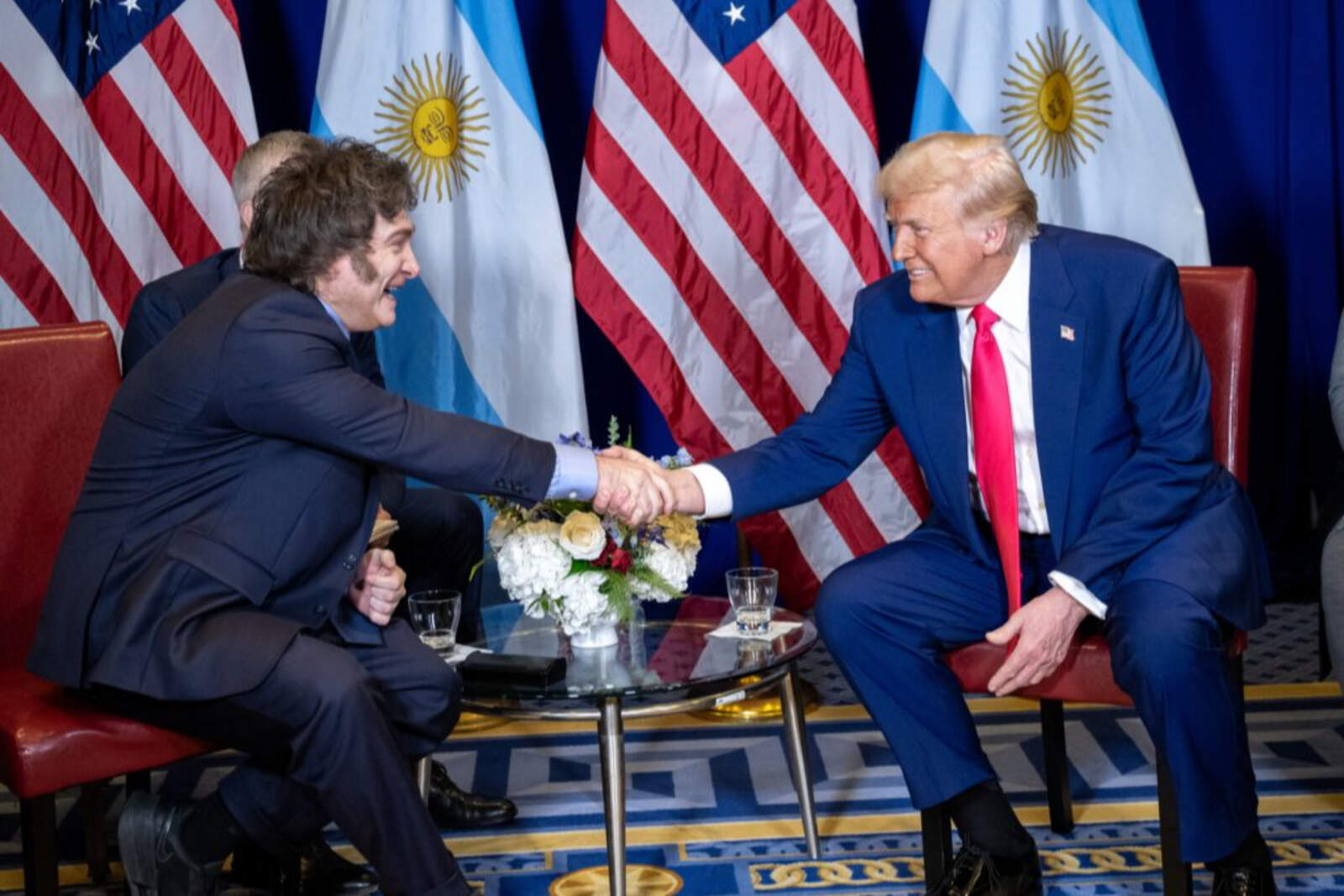
The agreement sets forth the terms and conditions for conducting bilateral currency swap operations between both institutions, which provide greater flexibility and responsiveness in the face of exchange rate volatility or capital movements.






The agreement will allow the BCRA to access an immediate liquidity line, expanding its monetary and exchange rate policy tools
The agreement sets forth the terms and conditions for conducting bilateral currency swap operations between both institutions, which provide greater flexibility and responsiveness in the face of exchange rate volatility or capital movements.
The Central Bank emphasized that this instrument strengthens the liquidity of international reserves and expands the set of tools available to intervene in the foreign exchange market, in compliance with the regulatory functions established in its Charter.
The signing of the agreement with the U.S. Treasury is part of a comprehensive macroeconomic stabilization strategy promoted by the national government and criticized by Kirchnerism.
Official sources highlighted to Infobae that the understanding "represents a vote of confidence from the United States government in Argentina's structural and fiscal reforms," and confirmed that the funds will be available for short- and medium-term operations aimed at containing potential exchange rate pressures.
With this agreement, Milei's administration achieved the largest bilateral financial support in recent years, reinforcing its commitment to fiscal discipline, institutional transparency, and the defense of the currency's value.





The Central Bank of the Argentine Republic (BCRA) and the United States Department of the Treasury signed a currency stabilization agreement for USD 20,000 million, a key step in Javier Milei's government's economic strategy to consolidate monetary stability and strengthen international reserves.
The agreement will allow BCRA to access an immediate liquidity line, expanding its monetary and exchange policy tools, and providing unprecedented financial support to the Argentine peso.
According to the monetary authority, the main objective of the agreement is to preserve price stability and promote sustainable economic growth, while ensuring the soundness of the financial system.