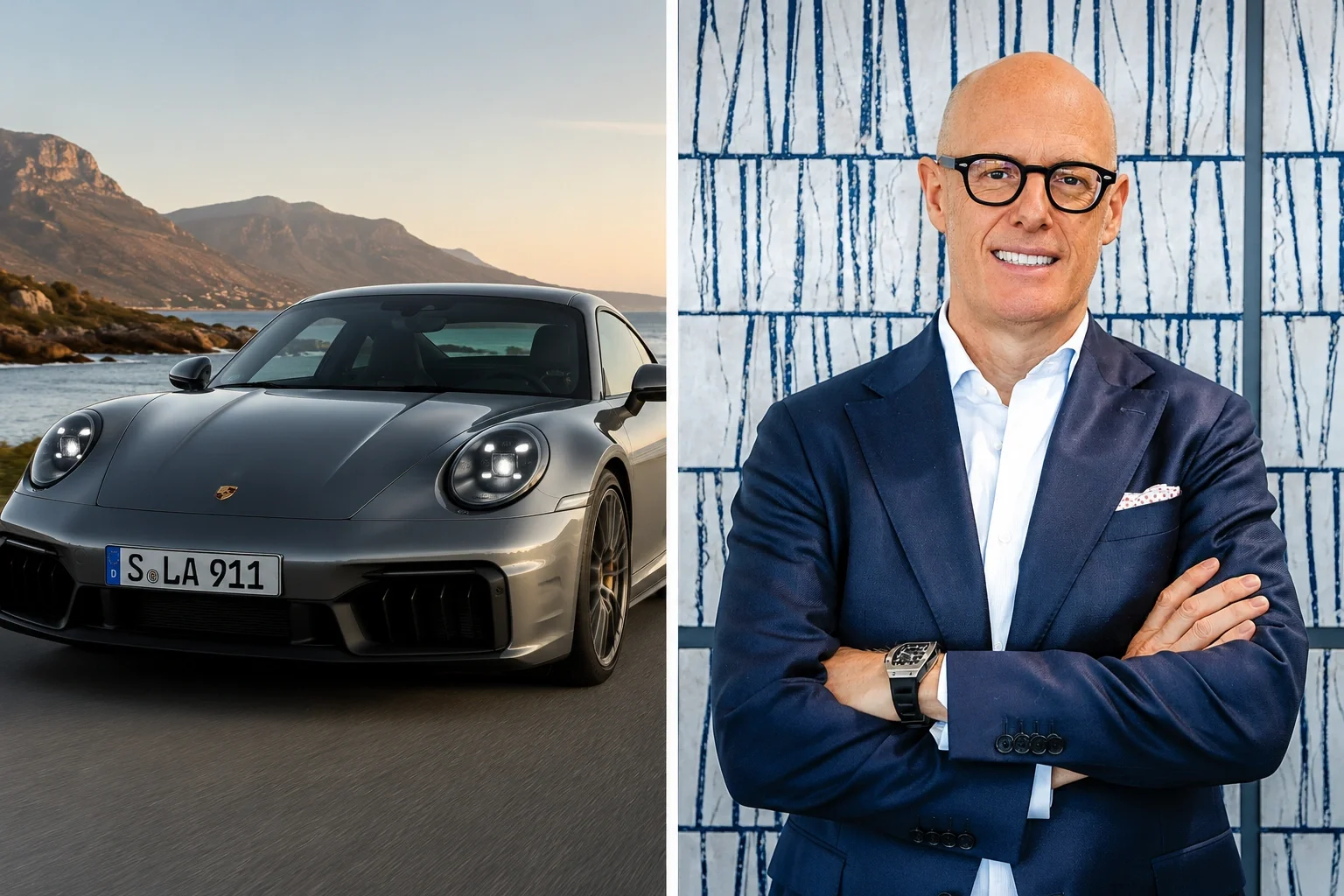
Michael Leiters acknowledges that the shift to electric came too soon for the German brand, which will prioritize combustion and hybrid engines to maintain its essence and economic viability
Leiters and his team are closely watching what is happening in the sector. Brands like Lamborghini are delaying their electric launches, Maserati canceled million-dollar projects, and even Rimac acknowledged difficulties in selling battery-powered supercars. Ferrari, for its part, explored more disruptive alternative paths and failed miserably.
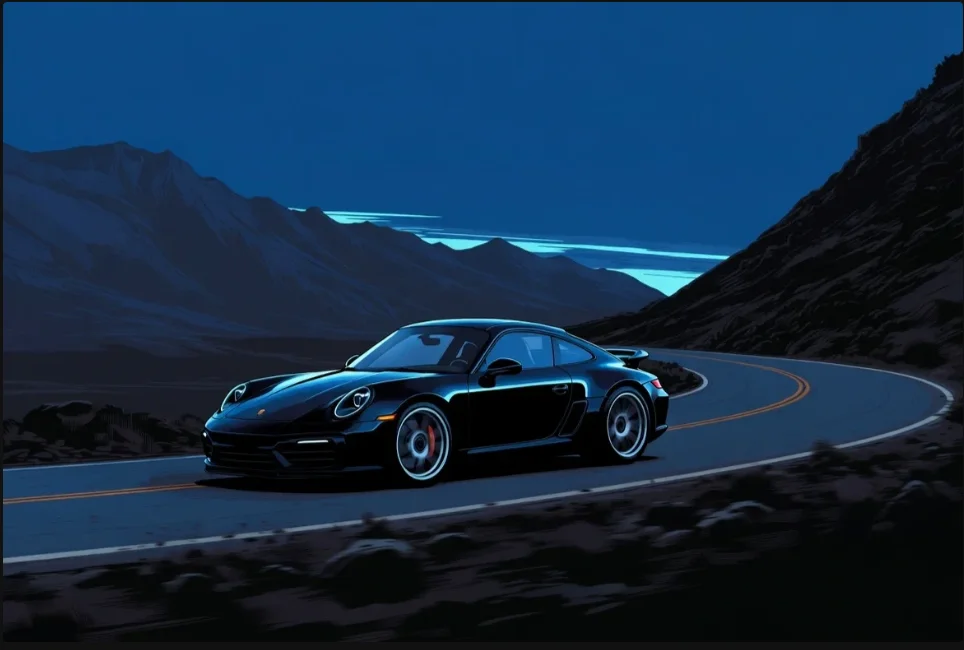
The history of the 911 reinforces this stance. Over the decades, the model has evolved by incorporating controversial changes at the time, such as switching to liquid cooling or turbocharging. However, turning it electric would involve structural modifications that could alter its unique character, adding weight and changing the balance.
An opportunity window
European regulations and policy changes in the United States open a crack for combustion engines. This allows Porsche to continue offering its iconic models, even at higher prices, while amortizing previous investments in electrification.
The luxury sports car market seems to be sending a clear signal: the total transition to electric does not equally entice all segments. Premium customers value the traditional driving pleasure and do not always prioritize sustainability over excitement.
For Porsche, balancing innovation and tradition becomes key. They will continue to develop hybrids and electric options in suitable segments but will preserve the soul of their most emblematic models. Leiters is clear: rushing is not the way.
Porsche CEO Michael Leiters acknowledged that the brand got ahead of itself with its first fully electric model. In a meeting with other automotive executives, he made it clear that the Taycan was an emblematic project, but it arrived before the market was ready for mass adoption.
This statement marks a turning point for one of the most iconic companies in the luxury sports car world. Leiters explained that, while they will continue to invest in electrification, there will not be an electric Porsche 911. The brand's viability depends on maintaining combustion engines and hybrid versions.
The financial context of Porsche supports these words. In 2025, the company recorded a profit margin of just 0.2%, practically negligible despite production efforts. Factors such as declining sales in China, tariffs in the United States, and the lukewarm reception of its electric models complicated the landscape.
The Taycan, although renewed, does not replicate the initial success. Meanwhile, the electric Macan, a very capable vehicle, fails to convince customers seeking the traditional experience of the brand.
The challenge of loyal customers
One of the central problems lies in Porsche's identity. Many buyers come to the brand attracted by the dream of a combustion engine sports car. For them, Porsche's DNA is inextricably linked to the roar of the engine and classic dynamics.A pure electric car does not satisfy that emotional expectation for anyone.