With support from transportation, the union leaders seek to influence the legislative debate
Nuevo
Agregar La Derecha Diario en
Compartir:
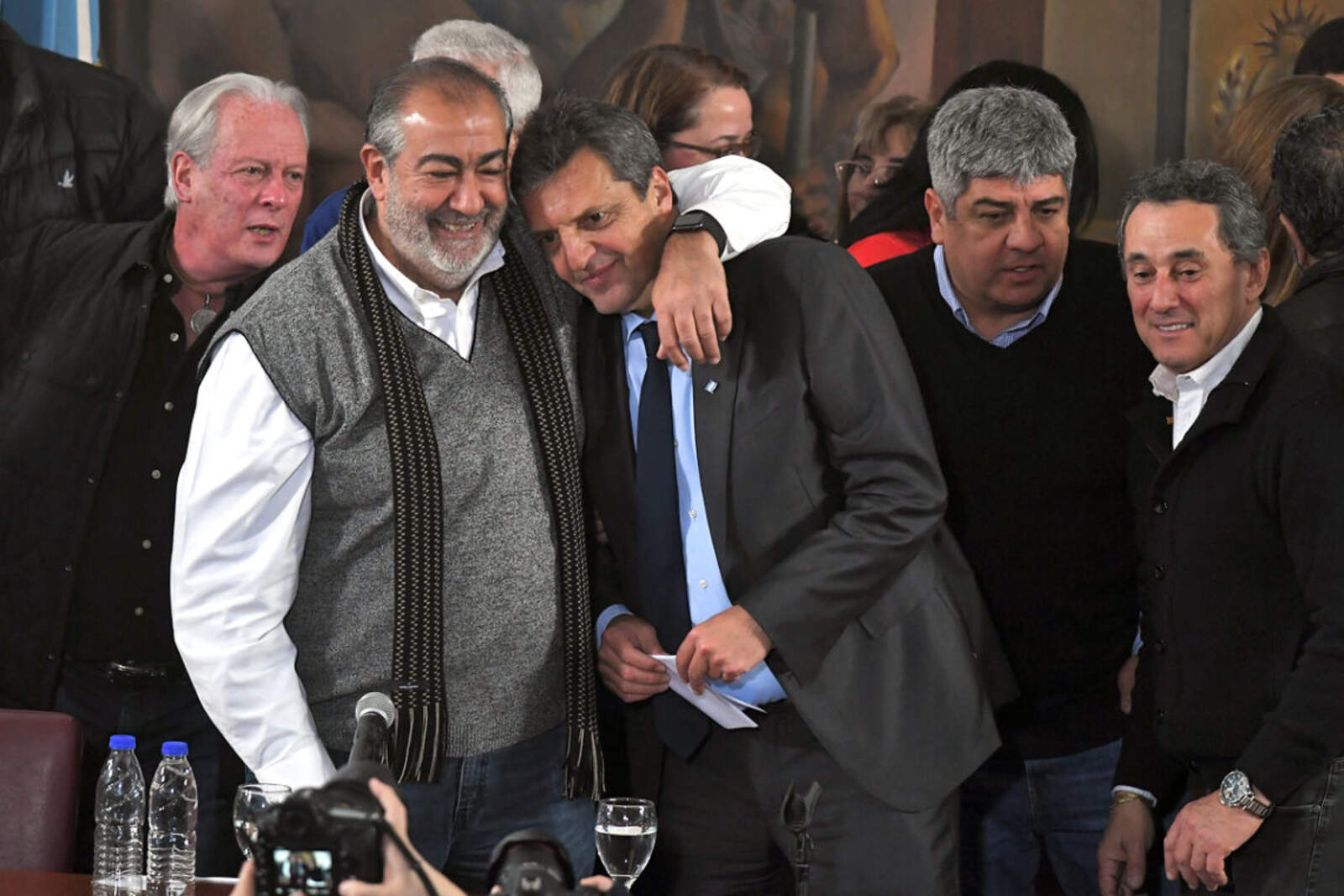
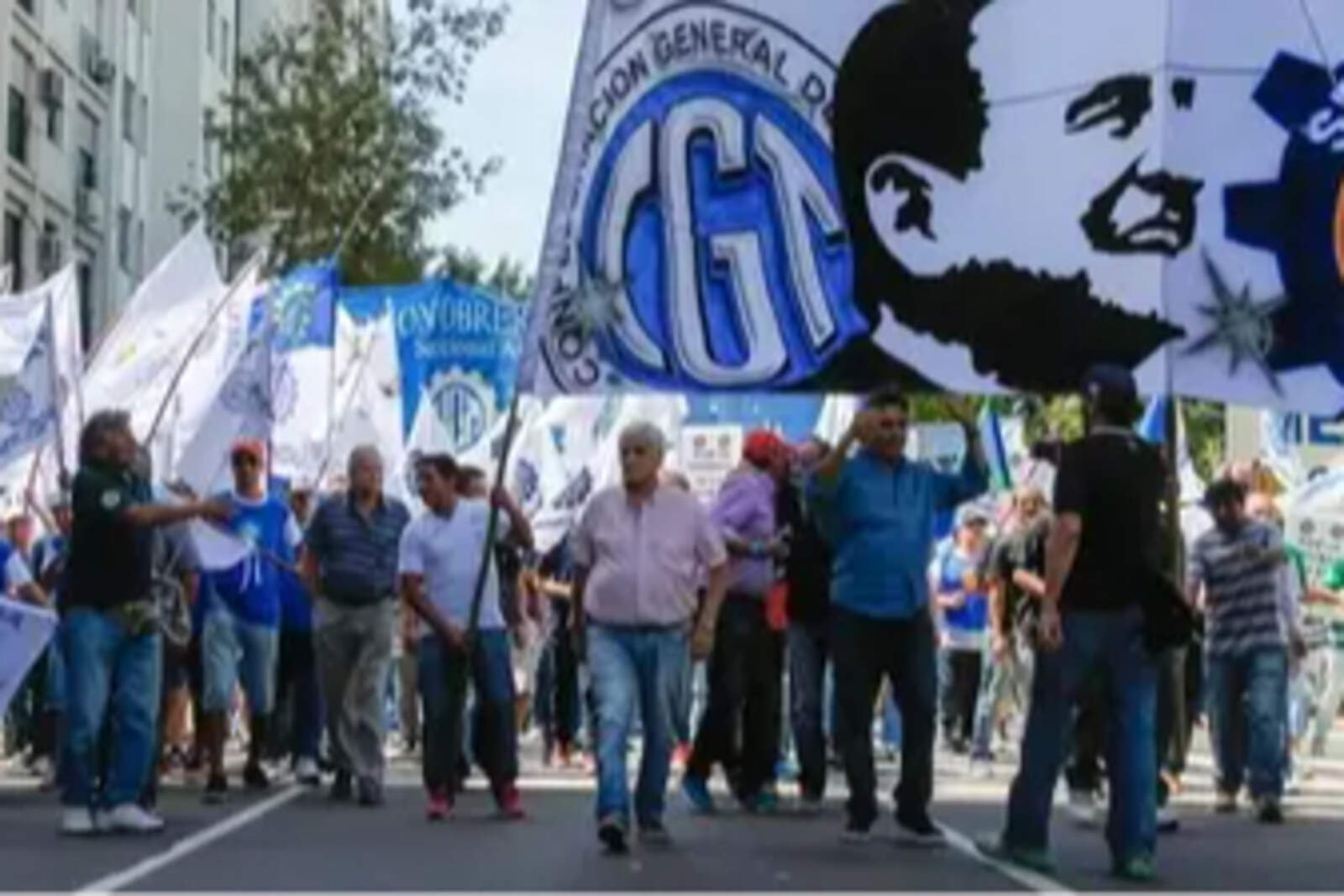
The General Confederation of Labor (CGT) decided to call a 24-hour general strike on the same day that the Chamber of Deputies debates the labor reform promoted by President Javier Milei. The decision was adopted unanimously in a virtual meeting of the Board of Directors, in what constitutes the fourth general strike against the current administration.
The union confederation ruled out a demonstration at Congress and opted for a total stoppage of activities as a "show of strength." The key to the national scope will be transportation: the Unión Tranviarios Automotor confirmed that it will join the measure, ensuring the stoppage of buses and reinforcing the impact throughout the country.
La CGT se alinea nuevamente con el kirchnerismo.
From the CGT leadership, officials explained that the hardening of the stance responds to the acceleration of the legislative process and the social support that the bill has gathered. The ruling party seeks to turn the reform into law as soon as possible, after its approval in the Senate.
The anger of the union leaders "deepened" after the inclusion of Article 44, which establishes a scheme of wage reduction in cases of sick leave or accidents not related to work activity. Union leaders maintain that this point was not part of the original debate and consider it regressive.
In the ruling party, officials acknowledge that the article caused controversy and are evaluating alternatives to correct it in the regulation, such as granting different criteria depending on the illness or accident. The head of the libertarian bloc in the Senate, Patricia Bullrich, defended the amendment by pointing to the existence of abuses in the medical certificate system, although she left open the possibility of taking serious situations into account.
In addition to Article 44, the CGT rejects other aspects of the reform, such as changes in severance pay, regulation of essential services, time banks, and limits on strikes and union occupations. In an internal document, the confederation anticipated that it could resort to the courts if the law is passed, since it considers that it violates constitutional principles.
La CGT se alinea nuevamente con el kirchnerismo.
With the support of the main transportation unions —including railway workers, truck drivers, and airline workers—the strike, if it is observed, promises to paralyze a large part of economic activity. Meanwhile, the ruling party is betting on unwaveringly sustaining the reformist momentum that it assumed at the polls, as part of its program of structural modernization of the labor market.
While the liberal administration seeks to consolidate far-reaching changes, the CGT doubles down on extortion in the streets and takes workers hostage. The outcome in the Chamber of Deputies will mark not only the future of the labor reform, but also the tone of the relationship between the Executive Branch and organized labor in this new political stage.