The Venezuelan regime activated an emergency decree signed by Nicolás Maduro before his detention
Nuevo
Agregar La Derecha Diario en
Compartir:
The Chavista regime declared the State of External Commotion throughout Venezuelan territory and moved forward with an unprecedented tightening of internal control, authorizing the search and capture of citizens accused of supporting the United States intervention that led to the fall of former dictator Nicolás Maduro.
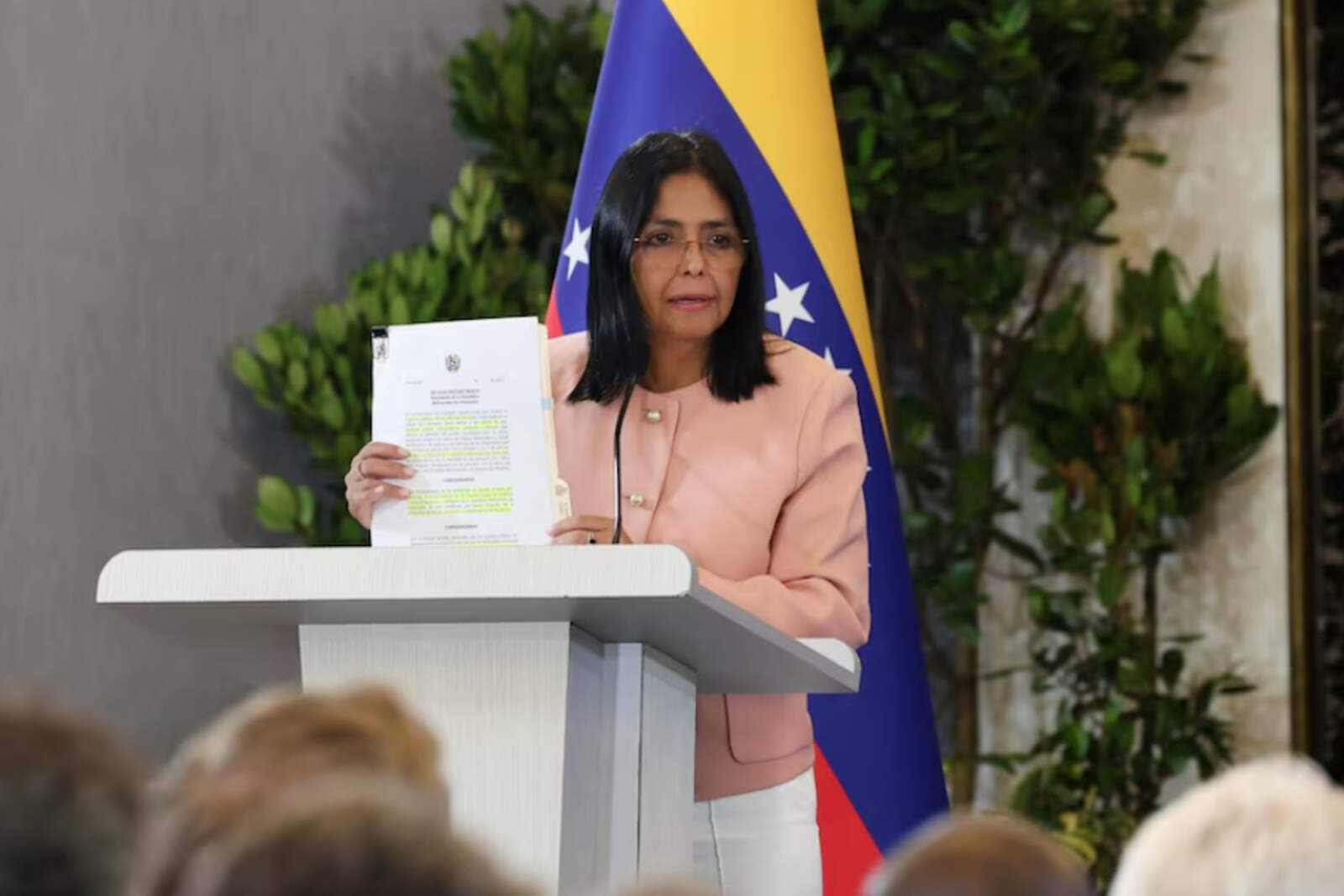
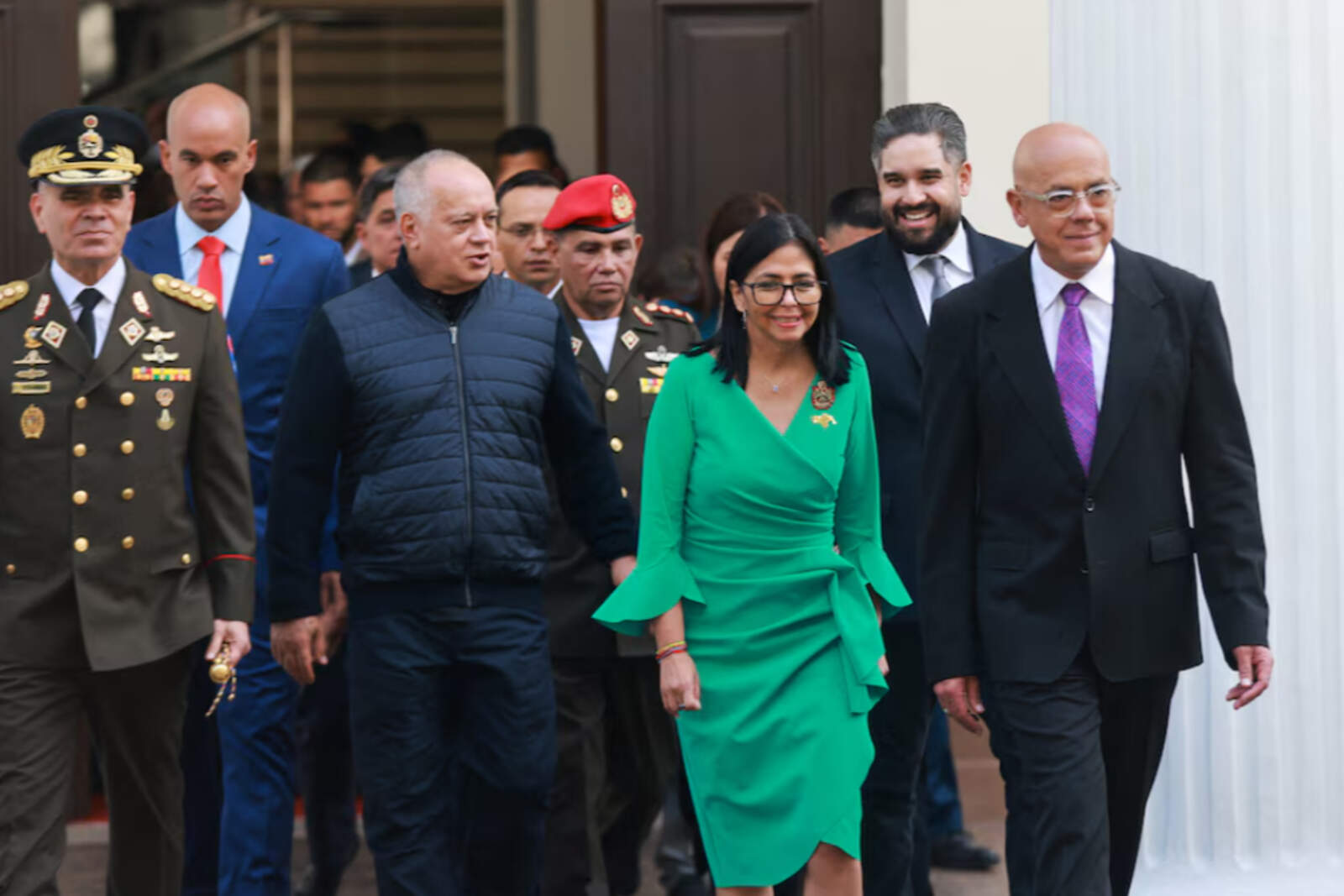
The measure was announced by Delcy Rodríguez, who is acting as president of the regime, and was implemented through Decree No. 5,200, dated Saturday and signed by Maduro hours before his arrest. The text was endorsed by the Chavista cabinet and published in the Official Gazette, granting it immediate force of law.
An emergency decree to shield the regime
The decree keeps that Venezuela is facing a scenario of "unprecedented external hostility" and accuses the United States of alleged armed aggression. In that context, the regime invokes Articles 337, 338, and 339 of the Venezuelan Constitution and the Organic Law on States of Exception to suspend constitutional guarantees.
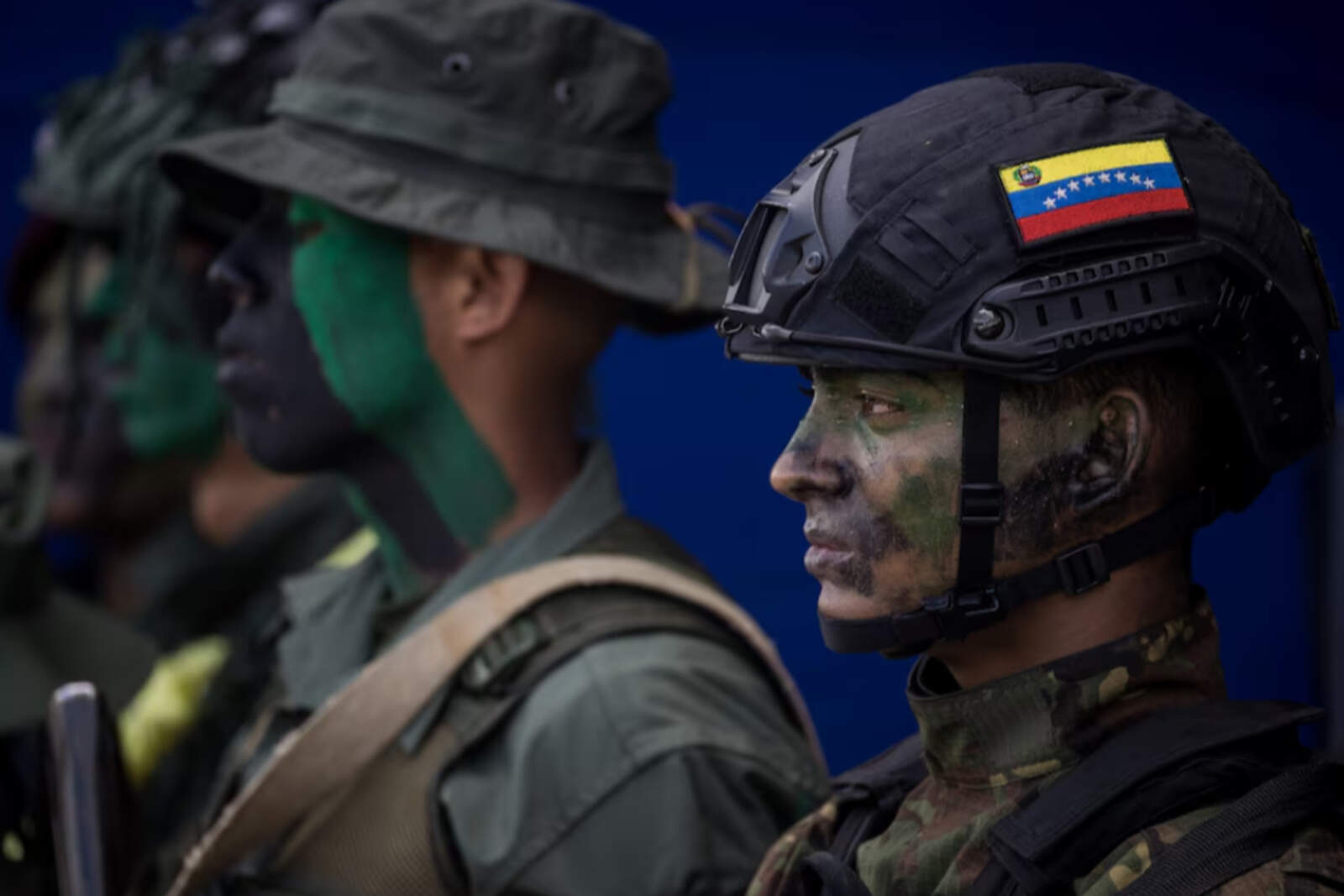
Among the first measures ordered is the immediate mobilization of the Bolivarian National Armed Force (FANB) and the use of "all existing potential as national power," a formula that in practice authorizes the total militarization of the country.
El chavismo decretó el Estado de Conmoción Exterior y habilitó detenciones masivas
Search and capture throughout the territory
One of the most alarming points of the decree is the explicit order for the search and capture of people identified by the regime as collaborators or promoters of the United States operation.
The text provides that:
All national, provincial, and municipal police forces must act immediately
Detainees will be placed at the disposal of the Public Prosecutor's Office
Mandatory cooperation between civilian and military forces is activated
The broad and ambiguous wording of the decree leaves the door open to arbitrary detentions, in line with Chavismo's historical methods to stifle dissent.
Militarization of services and total control
The State of External Commotion also orders the temporary militarization of critical infrastructure, including:
Essential public services
Oil industry
Strategic basic industries
The workers in these sectors temporarily move to a military regime, while control of land, air, and maritime borders is reinforced.
El chavismo decretó el Estado de Conmoción Exterior y habilitó detenciones masivas
In addition, the decree empowers the Executive to restrict or suspend:
Freedom of movement
Entry into and exit from the country
Public meetings and demonstrations
Duration and political scope
The initial validity of the State of External Commotion is 90 days, with the possibility of a single extension. During that period, all legal provisions that are incompatible with the decree are suspended, and the decree will be formally sent to the National Assembly and the Supreme Court of Justice, both under Chavista control.
The text ends with a call to the population to collaborate actively with the regime in a supposed "civil-military-police union," a classic slogan of the Chavista apparatus in times of crisis.
Meanwhile, as the United States moves forward with a strategy of order and transition, backed by governments aligned with the West — among them Javier Milei's Argentina —, Chavismo is responding with more authoritarianism, more control, and more internal persecution, laying bare its political fragility after Maduro's fall.