In terms of rights, the decree suspends guarantees such as assembly and public demonstration, and empowers the Government to adopt "any other measure" that it considers necessary for the protection of the population. Although the text claims to preserve intangible rights —life, personal liberty, due process— the recent experience of the Chavista regime renders those safeguards merely declarative.
From an institutional standpoint, this is the first activation of the state of external commotion since the 1999 Constitution, a fact that underscores the exceptional nature of the moment. The framework is also based on previous legislation that punishes support for international sanctions or actions that generate "foreign damage," with penalties that include lifetime political disqualification and confiscation of assets.
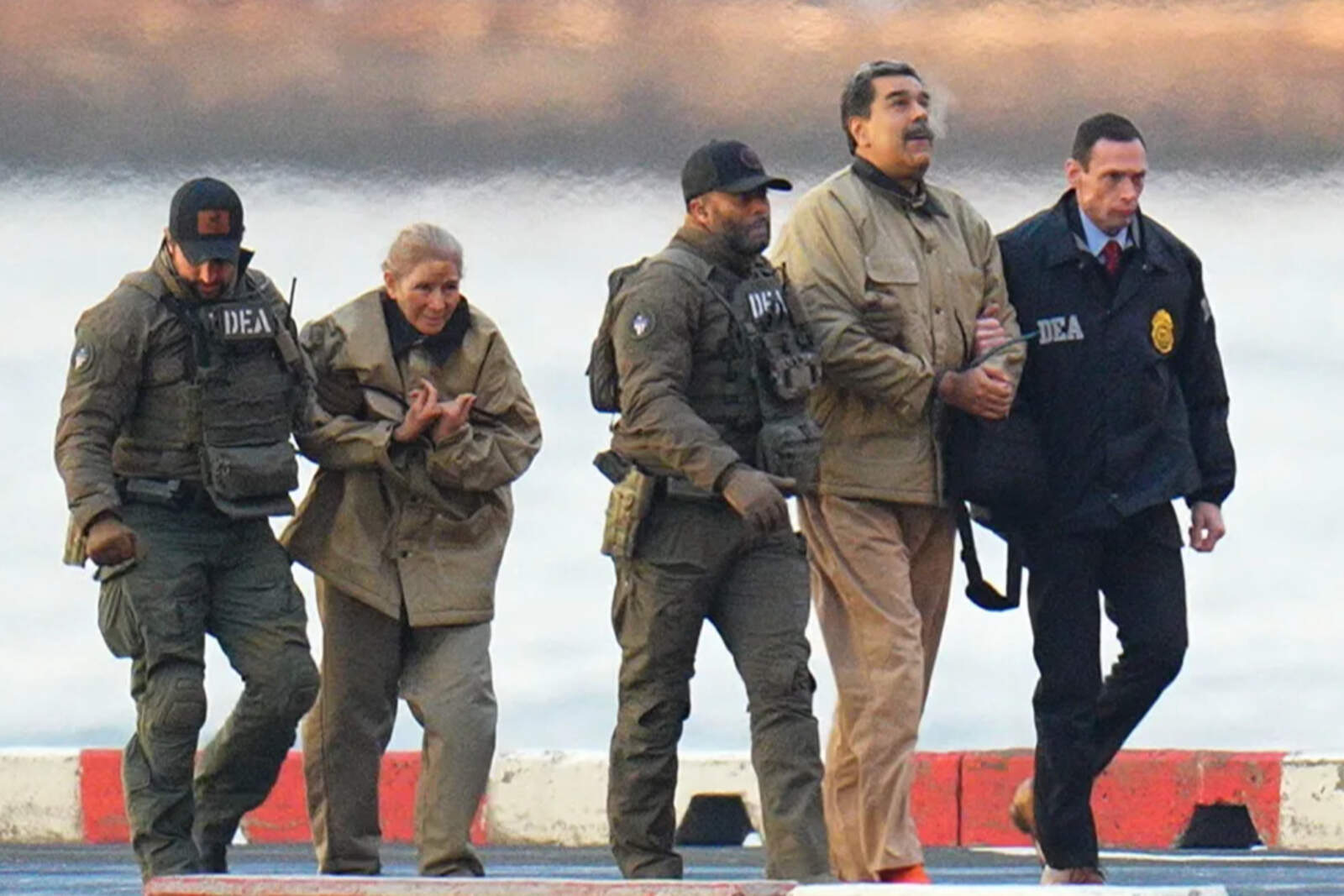
El exdictador narcoterrorista Nicolás Maduro.
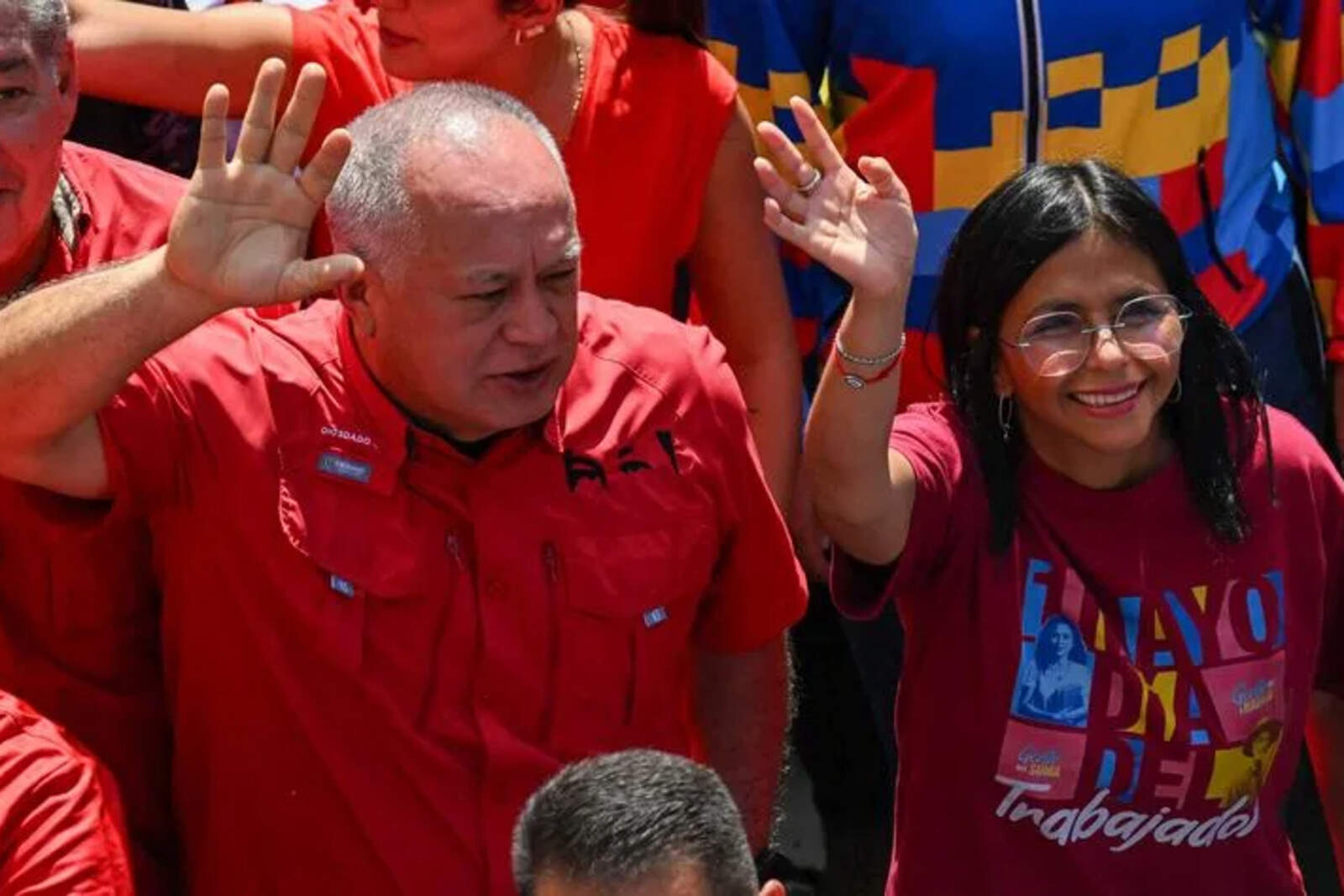
Meanwhile, while the ruling party mobilizes its bases under a narrative of "imperialist aggression", military deployments are being reported in Caracas, with reinforced controls and surveillance over critical infrastructure. In parallel, various reports indicate movements on the border with Colombia, in a context of growing regional tension.
On paper, the National Assembly and the Supreme Court could review or revoke the decree. In practice, both bodies answer to Chavismo. The result is an even greater closure of the political system, with arrests, militarization, and restrictions that deepen the Venezuelan crisis in a scenario already marked by the fall of Maduro's leadership and the hardening of the regime.
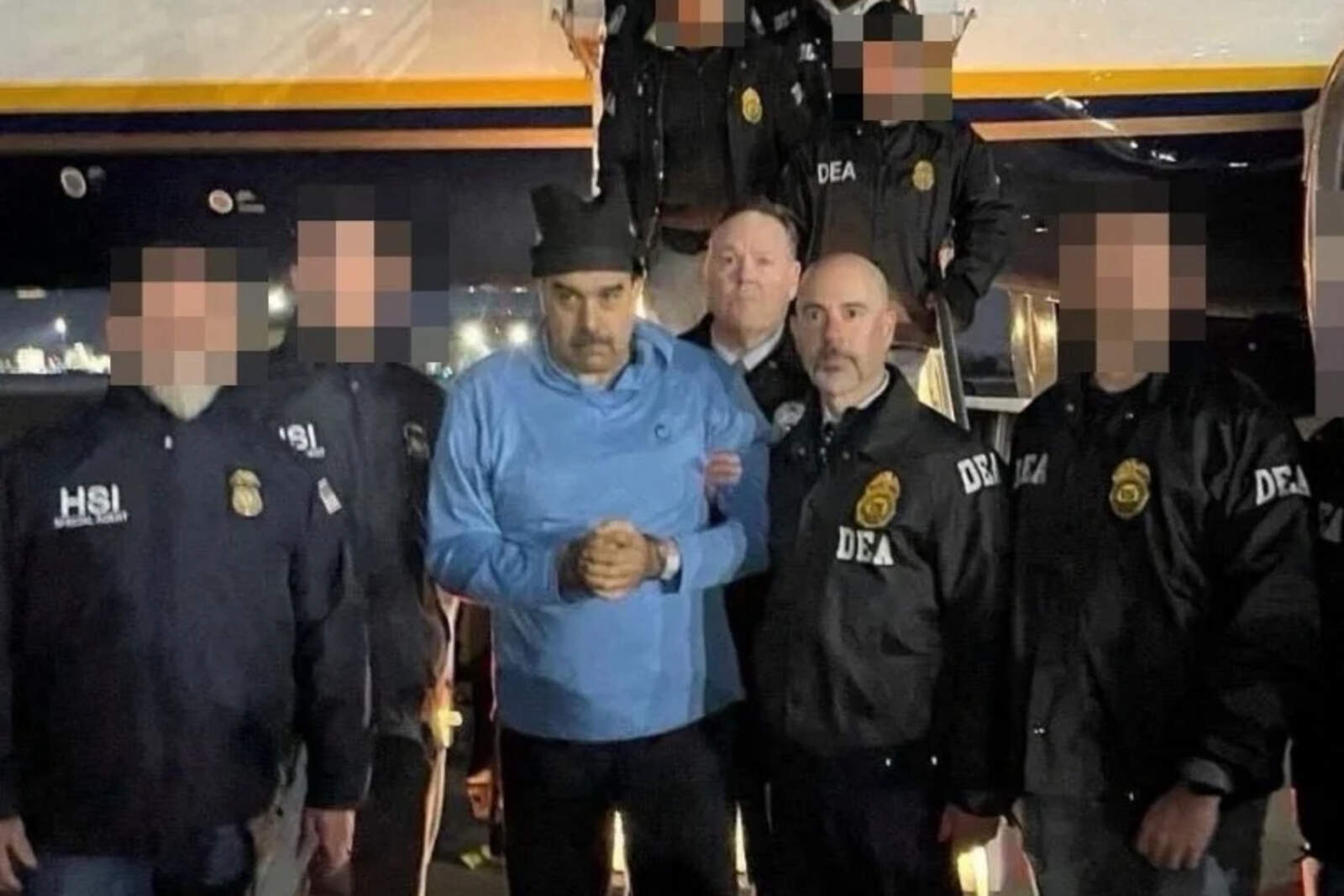
The Chavista regime formalized on Monday the entry into force of the State of External Commotion, an exceptional mechanism provided for in the Venezuelan Constitution, which grants extraordinary powers to the Executive, enables the suspension of rights and orders arrests against those whom the ruling party considers linked or favorable to the United States military offensive. The measure was published in the Official Gazette and marks a new authoritarian escalation after the capture of the dictator Nicolás Maduro by United States forces.
The decree, dated Saturday and endorsed by interim president Delcy Rodríguez, has the rank of law and establishes an initial validity of 90 days, with the possibility of an extension for an identical period. In practice, it opens the door to half a year of exceptional rule without effective checks, in a country where the Legislative and Judicial branches remain aligned with Chavismo.
Nicolas Maduro deberá afrontar el debido proceso por narcoterrorismo en EE.UU.
One of the central pillars of the text is the direct order for search and capture. The decree instructs national, state, and municipal police forces to arrest anywhere in the territory any person who has "promoted or supported" the United States operation. The broad and ambiguous wording enables discretionary persecution and criminalizes political expressions, public opinions, and alleged links with external actors.
The regulation also provides for the militarization of strategic sectors: public services, the oil industry, and other basic state industries. The civilian personnel who operate in these areas are temporarily subjected to the military regime, consolidating the presence of the Armed Forces in the economy and in daily life. In addition, the Executive is empowered to requisition goods and services considered necessary for national defense.