An oil company associated with the Chinese Communist government announced the discovery of the Qinhuangdao 29-6 field amid concerns from the West
Nuevo
Agregar La Derecha Diario en
Compartir:
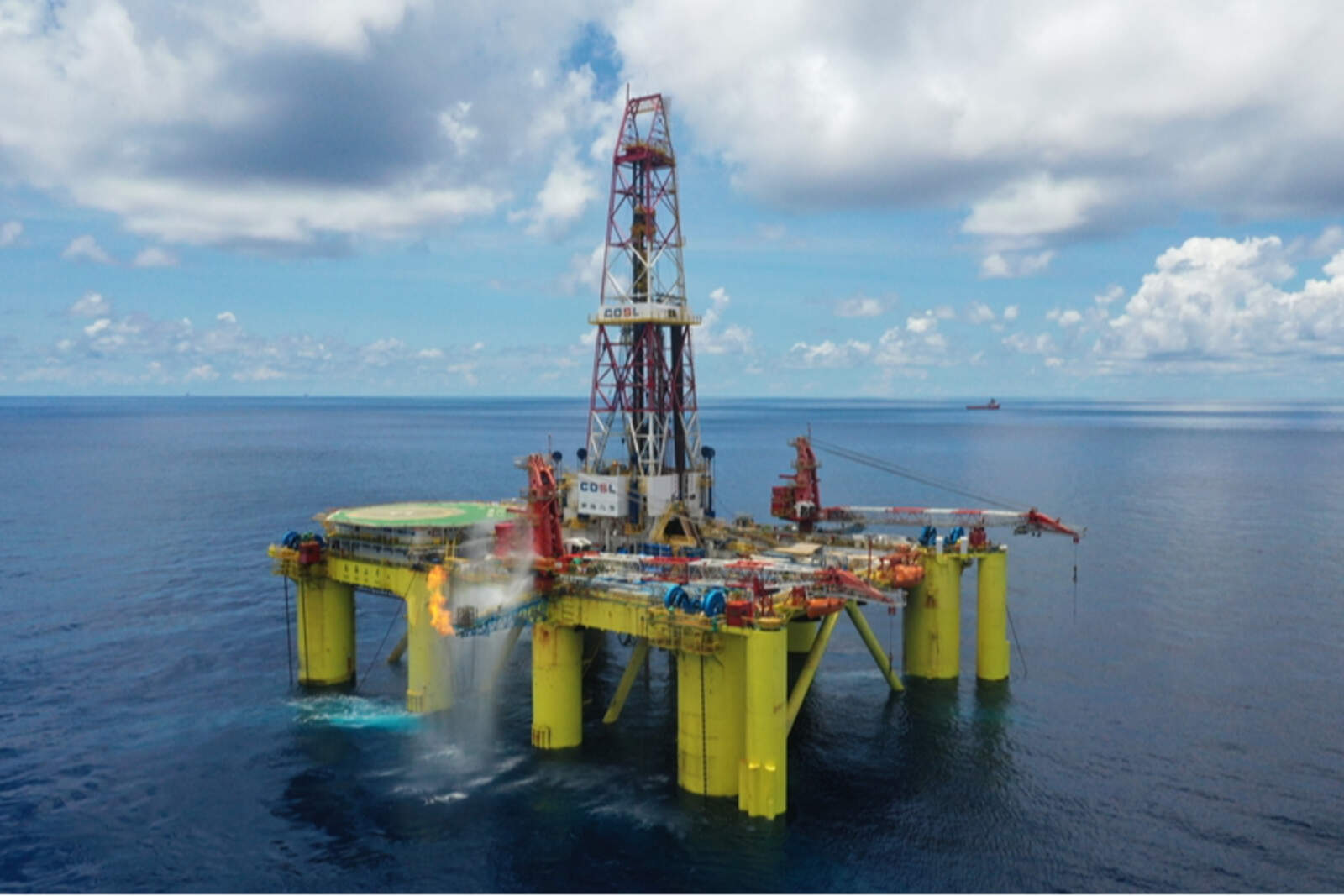
The state-owned oil company CNOOC (China National Offshore Oil Company) announced the discovery of the Qinhuangdao 29-6 field in the Bohai Sea, a field that, according to the company, exceeds 100 million tons of oil equivalent in in-situ volume.
Although the Chinese government has presented the discovery as a technical breakthrough and a step toward energy self-sufficiency, Western governments have warned that this type of development reinforces Beijing's geopolitical ambitions and its capacity to challenge the global energy and strategic balance.
The field is located in shallow Neogene formations and contains medium-heavy crude, a resource that is more complex to exploit but politically valuable for China.
El yacimiento Qinhuangdao 29-6 albergaría cerca de 100 millones de toneladas de petróleo
For the Chinese leadership, increasing domestic energy production is not only an economic issue, but a central component of its national security strategy, aimed at reducing vulnerabilities to sanctions, international conflicts, and diplomatic pressure from the United States and its allies.
The exploratory well reached a depth of 1,688 meters (5,538 feet) and crossed 66.7 meters (219 feet) of productive zones, with a test output close to 2,560 barrels per day. Although these figures are modest on a global scale, Beijing believes that each new field strengthens its energy resilience and, by extension, its room for maneuver on the international stage.
Qinhuangdao 29-6 is the second "hundred million tons"-class field discovered in the Shijiutuo uplift, a mature area from an exploratory standpoint. CNOOC has celebrated the discovery as the result of technological innovation and new geological models.
However, many critics argue that the real message is political: China is willing to invest large resources to consolidate its control over strategic supplies, even when the economic benefits are limited.
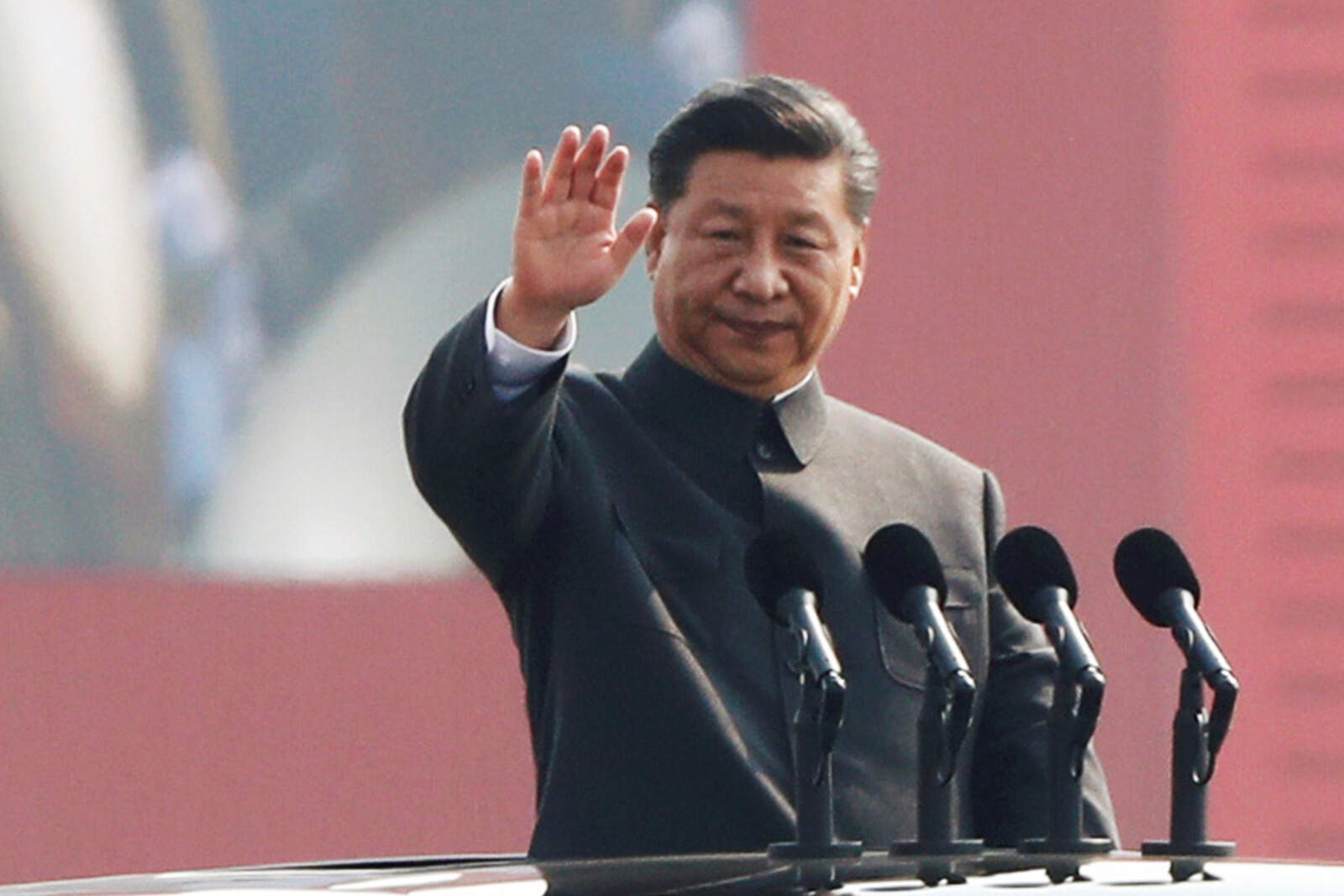
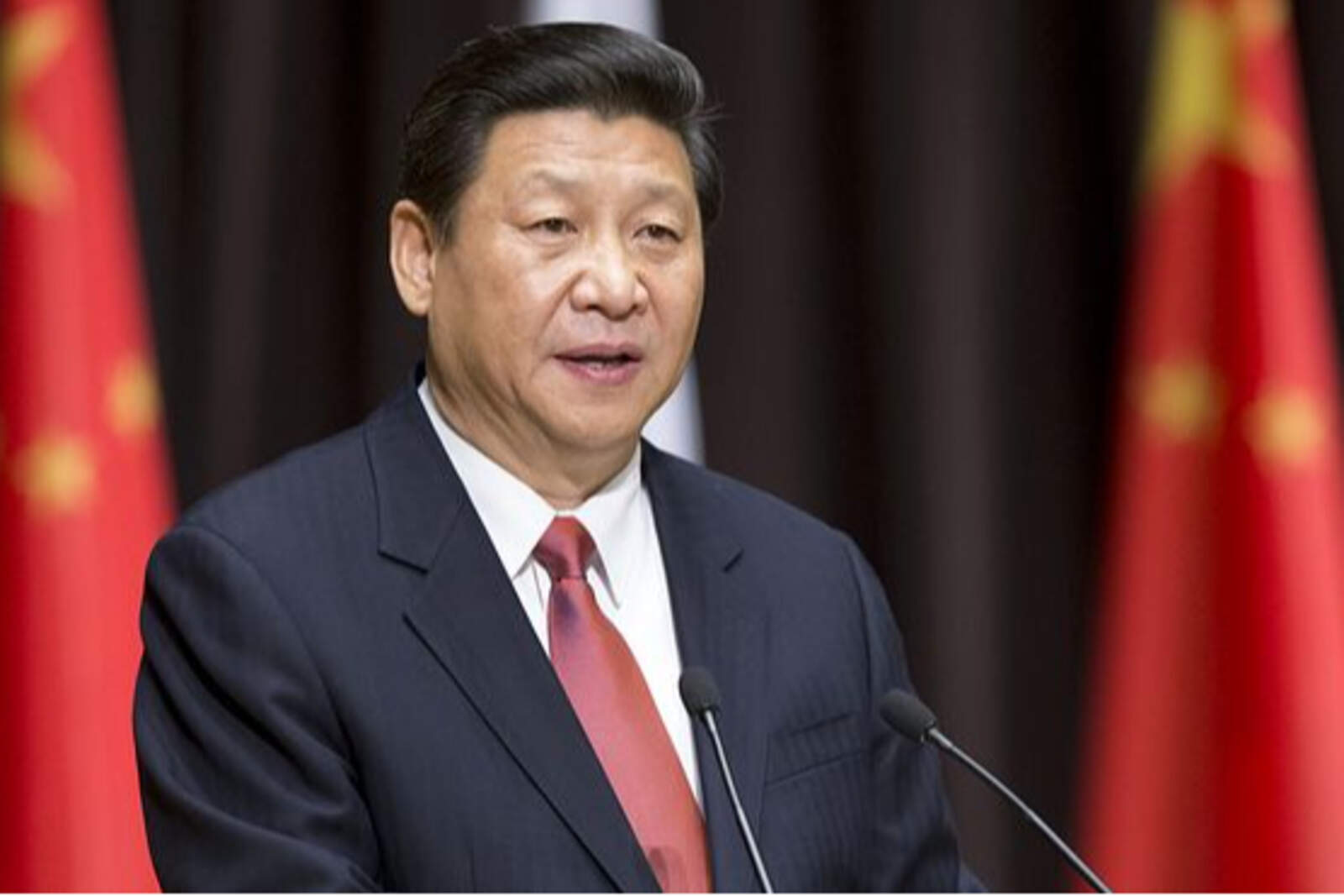
El régimen de Xi Jinping busca evadir las sanciones impuestas por los gobiernos occidentales
The announcement comes shortly after CNOOC began production at the Kenli 10-2 project, the country's largest shallow offshore lithologic field, also in the Bohai Sea.
This development envisages 79 wells and a maximum estimated output of 19,400 barrels per day of oil equivalent in 2026. For Beijing, these projects are key pieces of a broader strategy that seeks to reduce dependence on maritime imports that are vulnerable to blockades or disputes, such as the Strait of Malacca.
By strengthening its energy self-sufficiency, China reduces the effectiveness of traditional tools of economic pressure, such as sanctions or trade restrictions. In addition, the strengthening of its domestic energy base can facilitate a more assertive stance by Beijing in territorial and geopolitical disputes, from the South China Sea to Taiwan.
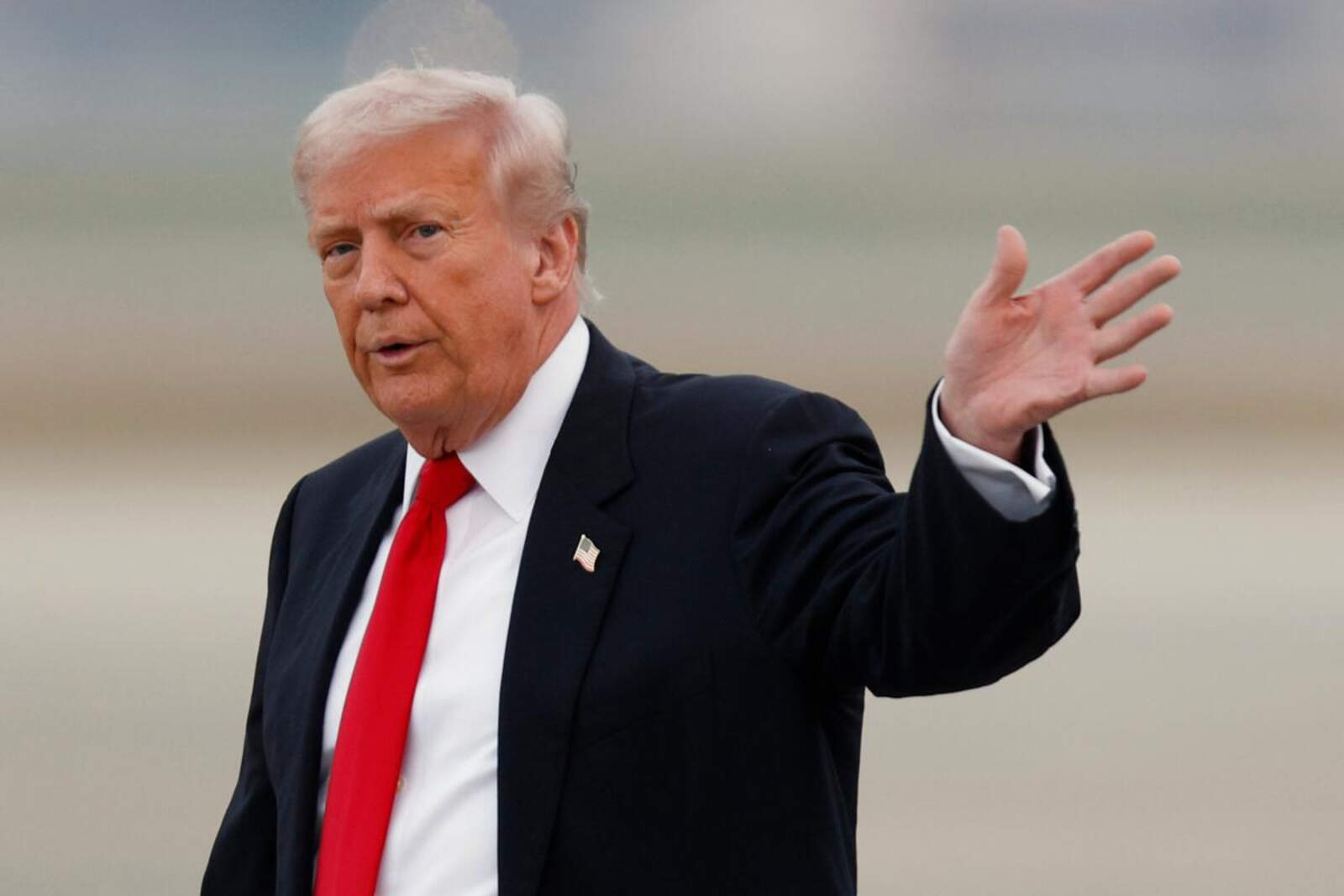
Varios gobiernos occidentales, entre ellos Estados Unidos, expresaron serias preocupaciones por el descubrimiento de este yacimiento petrolero
The Chinese energy model, dominated by large state-owned companies such as CNOOC, also poses challenges for the liberal economic order. These companies operate in alignment with the strategic objectives of the Chinese Communist Party, which distorts global competition and allows Beijing to use energy as an instrument of political power rather than as a simple commercial good.
Although China still depends to a large extent on oil imports, its combination of domestic production, state control, and participation in international projects, such as its minority role in the ExxonMobil-led consortium in Guyana, allows it to diversify risks and expand its global influence.