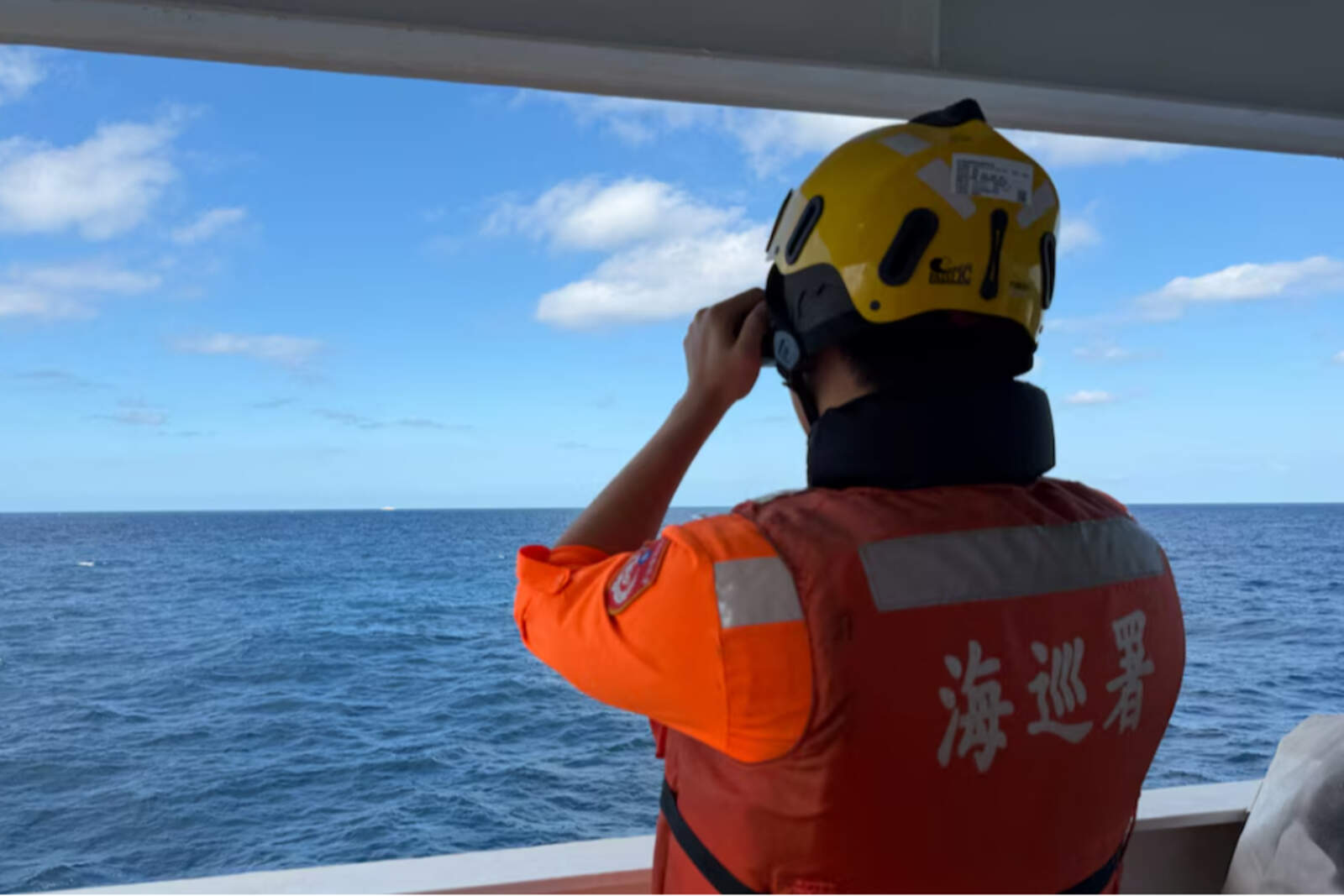

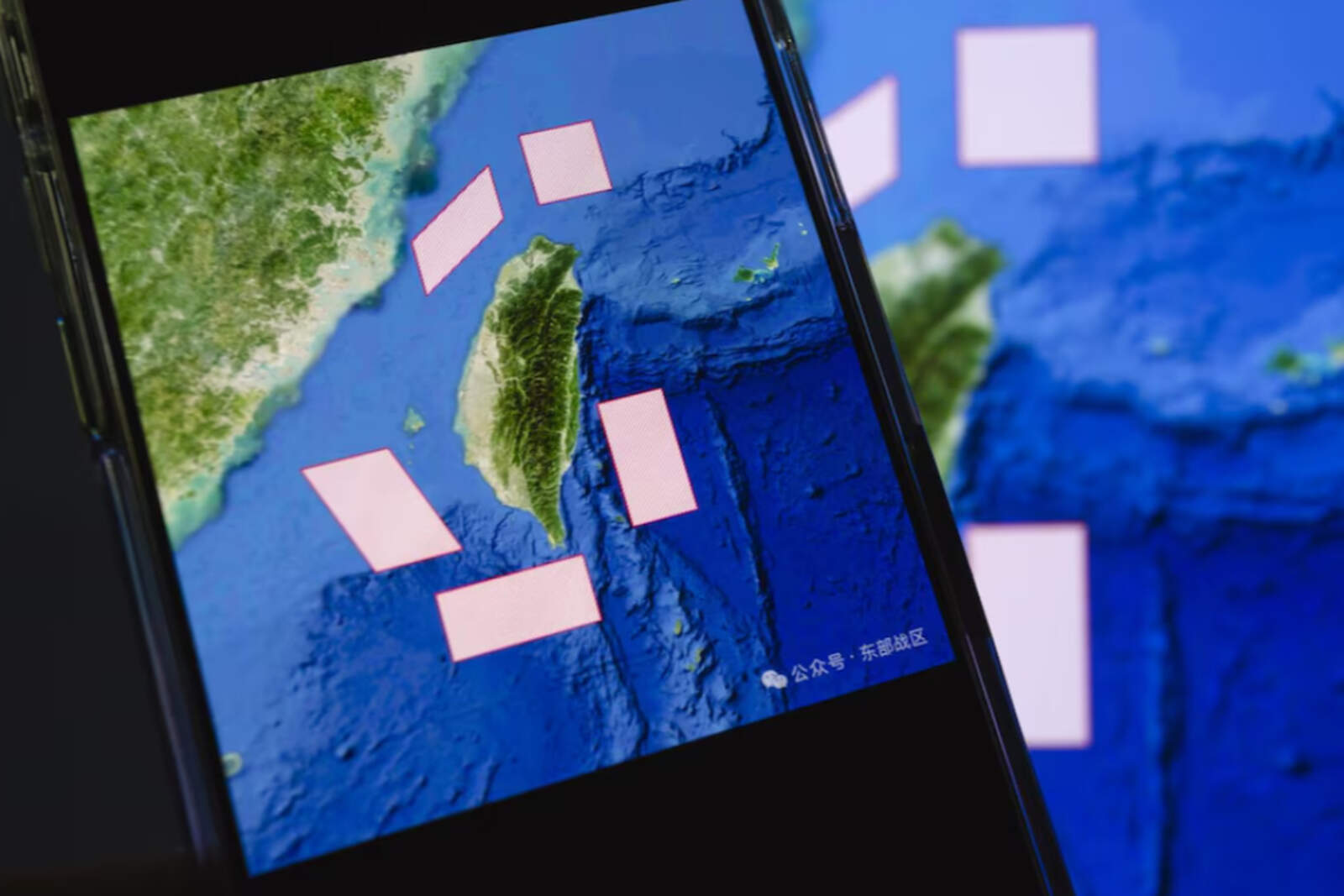
Geopolitical tension in Asia escalated again this Monday after Taiwan deployed its defense forces in response to large-scale military exercises carried out by the People's Republic of China around the island. Taiwan's Ministry of Defense condemned the maneuvers, which it described as "irrational provocations," and held Beijing responsible for actions that, it warned, put regional peace and stability at risk.
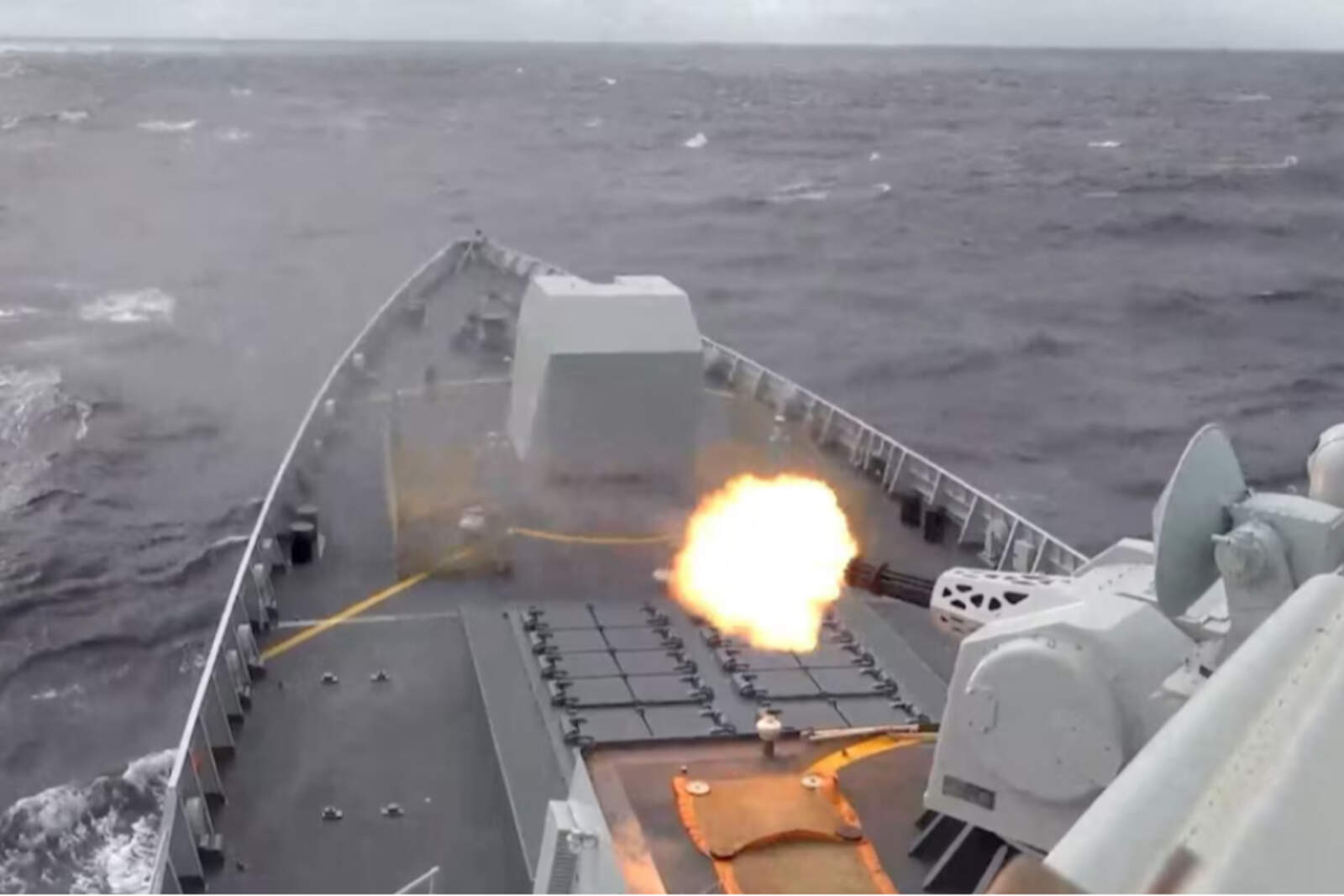
According to official data, this is the largest number of Chinese incursions recorded in a single day since October 2024: 89 military aircraft and 28 vessels were detected operating in the vicinity of Taiwan. The escalation coincided with the start of live-fire exercises by the People's Liberation Army (PLA), which triggered alerts across the entire region.
Maximum alert and activation of defensive protocols
In this scenario, Taiwan's Armed Forces raised their level of readiness to "maximum alert" and activated a rapid response center to coordinate defensive operations. Officials from the Ministry of Defense emphasized that these measures comply with current protocols to protect national sovereignty and preserve the island's democratic system.
In a message released on the social network X, the ministry stated that "defending democracy and freedom doesn't constitute a provocation" and stressed that security can't be based on assumptions or expectations, but on real deterrence capabilities. In addition, Taiwan reaffirmed its role as a key actor for Indo-Pacific stability.
Political support and budget reinforcement
President William Lai joined the institutional response and called for a sustained strengthening of the country's defensive capabilities. In that context, he proposed a special budget of USD 40 billion for the 2026–2033 period, intended to modernize military equipment and raise the potential cost of any external aggression.