The sentence is part of Xi Jinping's anti-corruption campaign, which has already targeted high-ranking officials and military personnel
Compartir:
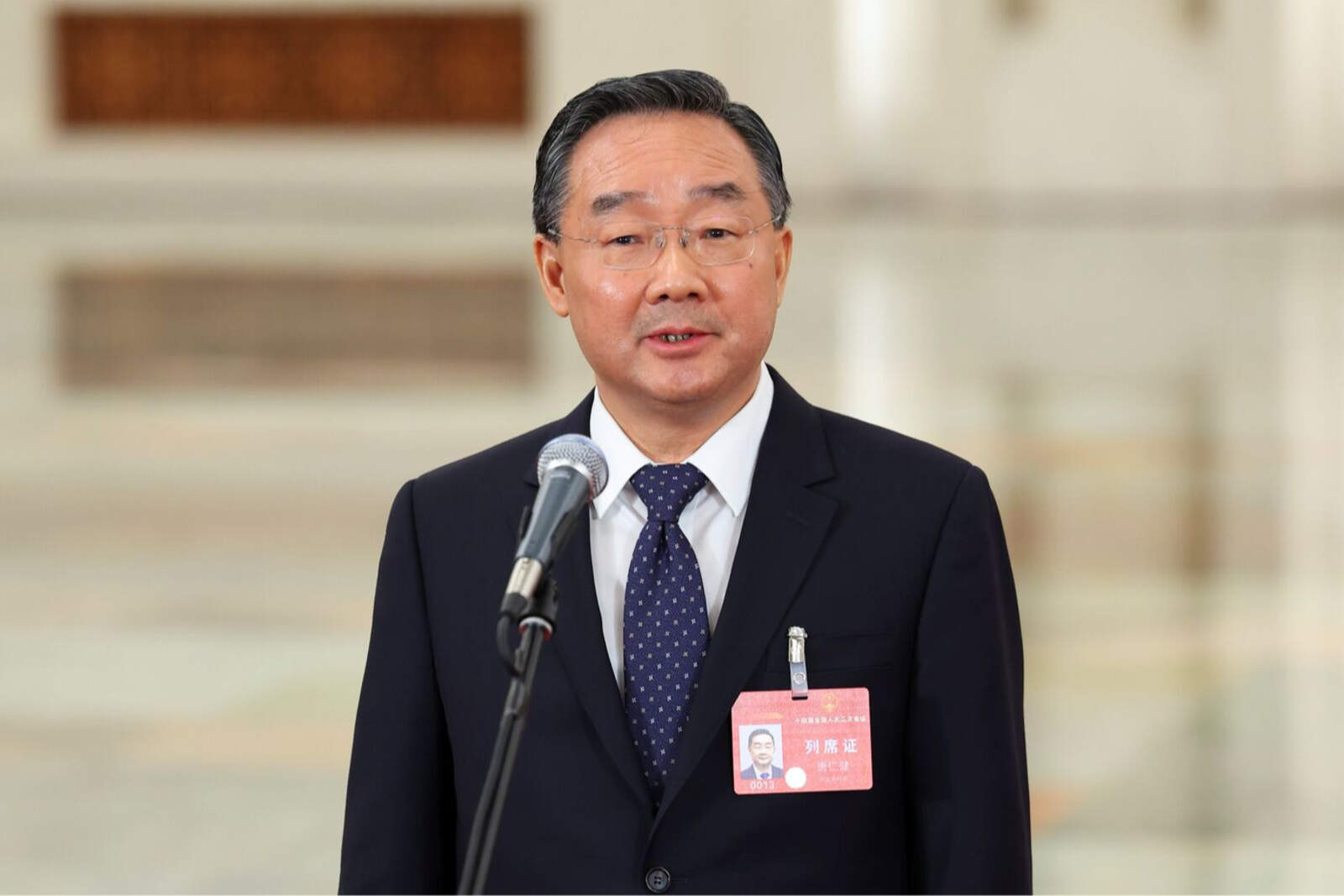
The anti-corruption campaign driven by President Xi Jinping added a new chapter with the death sentence of Tang Renjian, former Minister of Agriculture of China, accused of receiving bribes totaling 38 million dollars between 2007 and 2024.
A people's court in the city of Changchun, in Jilin province, issued the sentence last Sunday the 28th, imposing the death penalty with a conditional two-year reprieve, a common practice that usually becomes life imprisonment if the convict keeps good behavior during the probation period.
Tang, 63 years old, served as Minister of Agriculture between 2020 and 2024, after having held important positions in the country's administrative structure, such as governor of Gansu province and vice chairman of the Guangxi autonomous region.
Tang Renjian - ex ministro de Agricultura de China.
According to the court ruling, the former official accepted bribes in cash and goods totaling more than 268 million yuan. "These bribes caused very serious losses to the interests of the State and the people, and therefore justified the death penalty", stated the official court release. In addition, it was reported that the accused confessed his "crimes" and showed remorse.
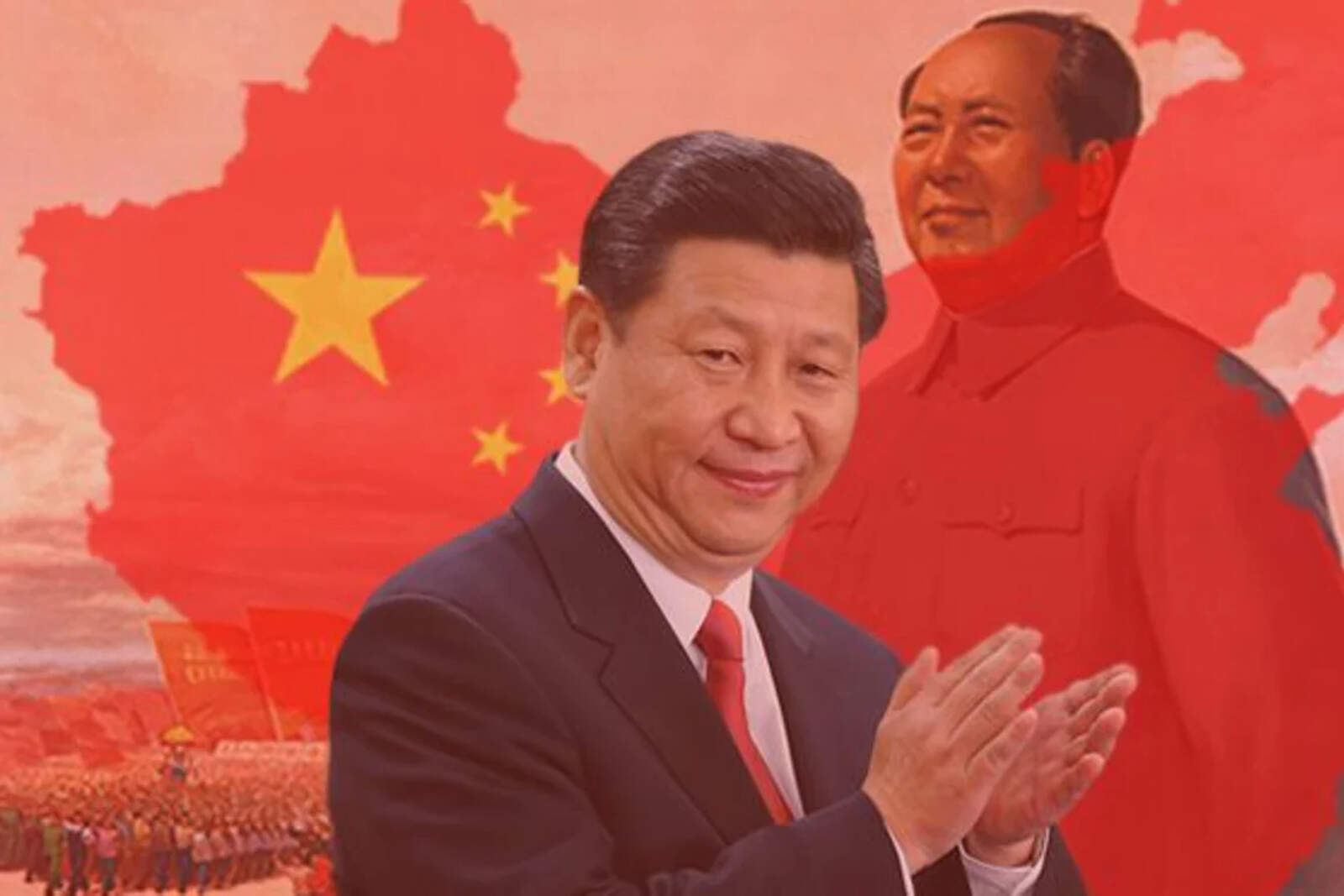
Tang's conviction is part of a sustained internal cleansing strategy that Xi Jinping has carried out since he came to power in 2012. Officially presented as an effort to eradicate endemic corruption within the state apparatus, the campaign has involved the prosecution of hundreds of thousands of officials at different levels. Supporters of this policy argue that it promotes more efficient and disciplined governance, while its critics interpret it as a tool to eliminate rivals and consolidate the leader's personal power.
Tang's case is not isolated. In recent months, other senior officials have been investigated or removed from their positions, including former Defense Ministers Li Shangfu and Wei Fenghe. Li was dismissed just seven months after taking office, and was later expelled from the Communist Party for alleged corruption-related offenses. Local media indicated that even his successor, Dong Jun, is also reportedly under investigation.
The Armed Forces have been one of the sectors most affected by these purges. Since 2023, at least 45 officers from the People's Liberation Army and the Chinese military-industrial complex have been dismissed, according to data from the Jamestown Foundation.
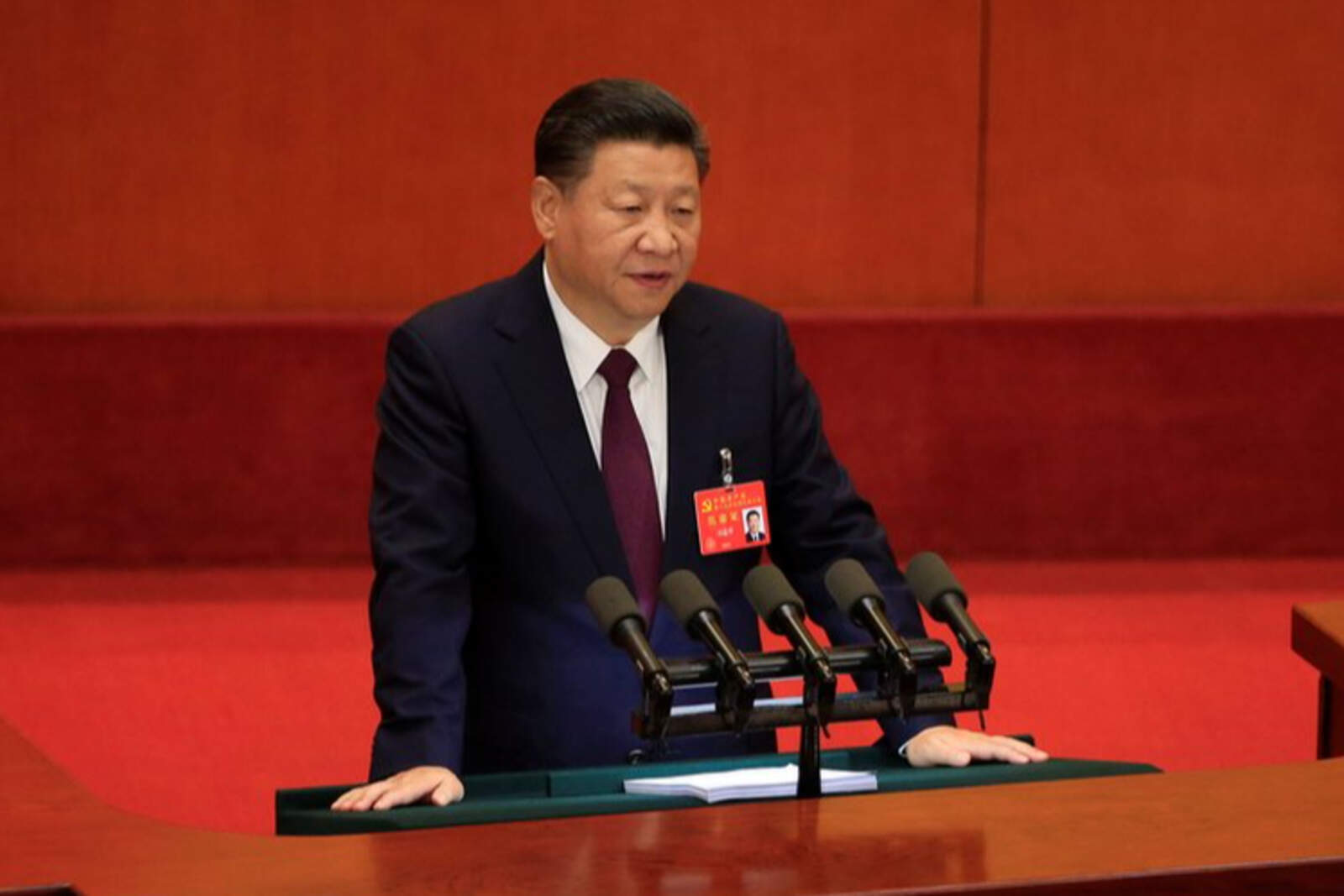
Xi Jinping - Presidente de la República Popular China.
The disciplinary offensive also reached the core of the party leadership: in 2024, 889,000 members of the Communist Party were disciplined, including 73 officials of provincial or ministerial rank. According to calculations by Stanford political scientist Wu Guoguang, around 10% of the Central Committee has been purged, marginalized or removed from key activities since the end of 2022.
The intensification of these actions comes after Xi secured a third term in 2022 and consolidated his allies in the main leadership positions. Analysts point out that, in authoritarian regimes, the concentration of power is often accompanied by growing internal distrust. "Paranoia plays a central role in these systems, where even loyalists can develop their own networks that pose potential risks to the supreme leader", experts explain.
The conviction of Tang Renjian thus reinforces Xi Jinping's political message: no official, no matter how influential, is exempt from party discipline or the central authority of the regime.
Meanwhile, the campaign allows the president to reaffirm his control over the stateand military apparatus, in a context of growing internal and external tensions for the Chinese government.