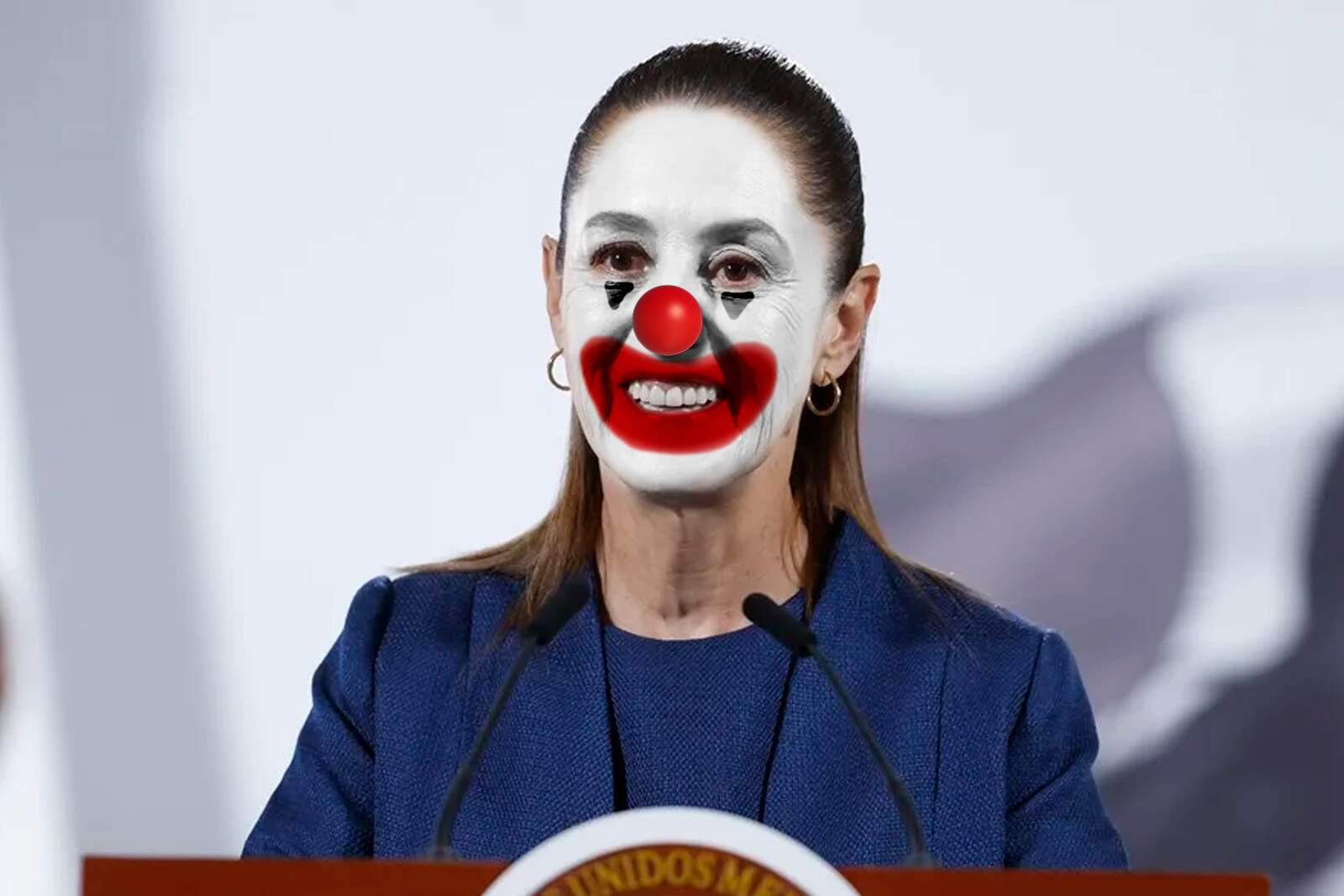
A new and concerning bill, introduced by Mexican congressman Armando Corona Arvizu from the ruling Morena party, led by communist president Claudia Sheinbaum, has caused strong controversy in Mexico by proposing to censor people for posting memes on social media.
The legislator proposed amending the Federal Penal Code to punish with up to six years in prison and 600 days of fines those who create or share memes, stickers, gifs, or edited videos that could "affect the reputation" or "damage the dignity" of public officials.
The proposal, which has already been dubbed on social media as the "Anti-Meme Law" or "Anti-Sticker Law," seeks to classify these actions as a form of so-called "digital violence," expanding this concept to the political sphere, which has caused concern among broad sectors of Mexican society.
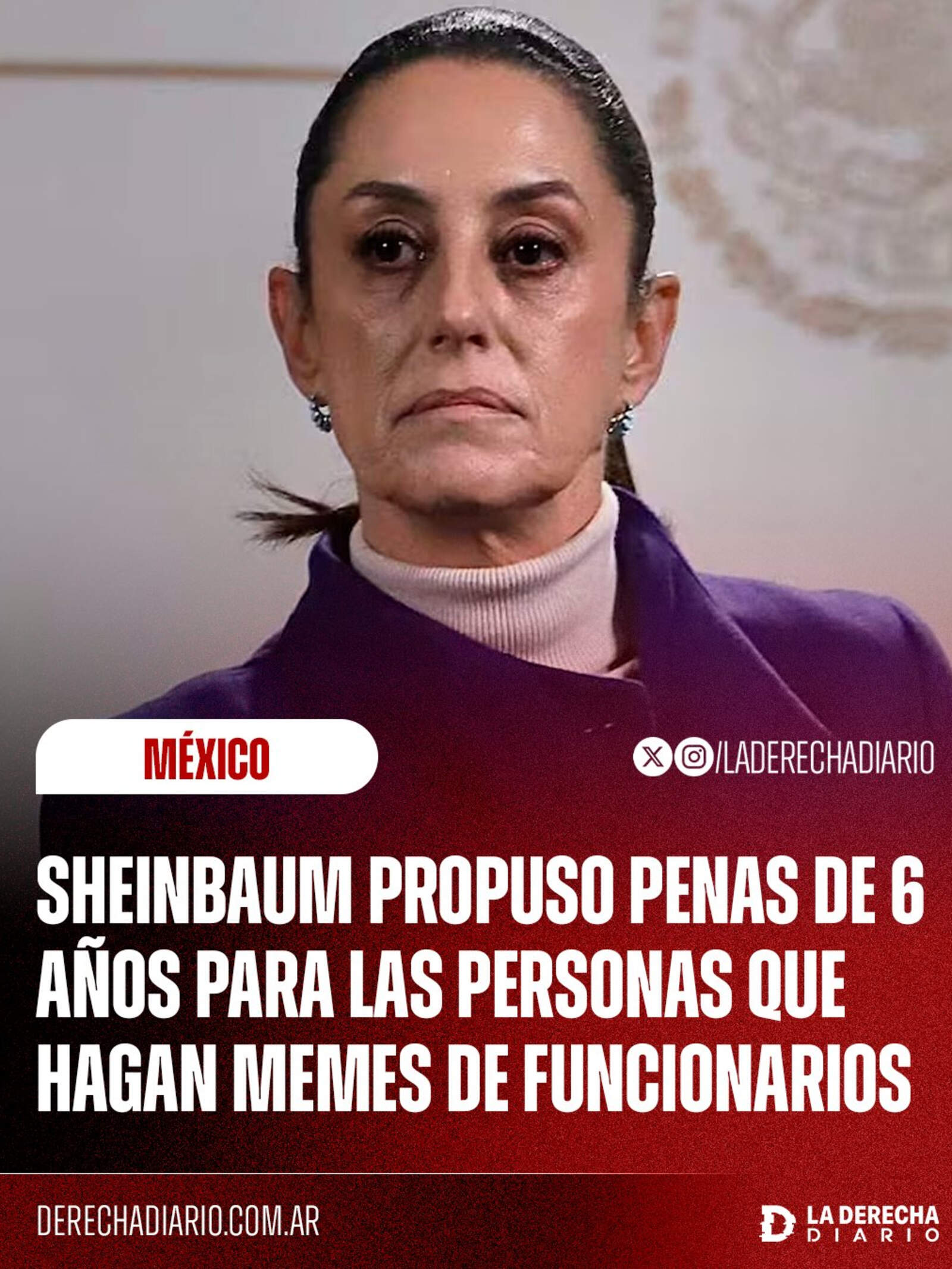
El partido de Claudia Sheinbaum propuso una 'Ley Anti-Memes' para censurar a la gente
Corona Arvizu argued that technology has become "a tool with the ability to build or damage a person's image in seconds," and that for this reason it is necessary to establish criminal penalties.
The left-wing congressman even claimed that each manipulated image or shared meme can represent a direct attack on dignity, honor, and private life, and proposed that if the victim is a public official, the penalty should increase by up to half.
This authoritarian initiative is being harshly questioned by Mexican society, since it is a clear attempt at censorship and control of people's criticism. On social media, thousands of users expressed their rejection of the proposal, pointing out that Morena and Claudia Sheinbaum's government seek to shield themselves from humor and people's criticism.
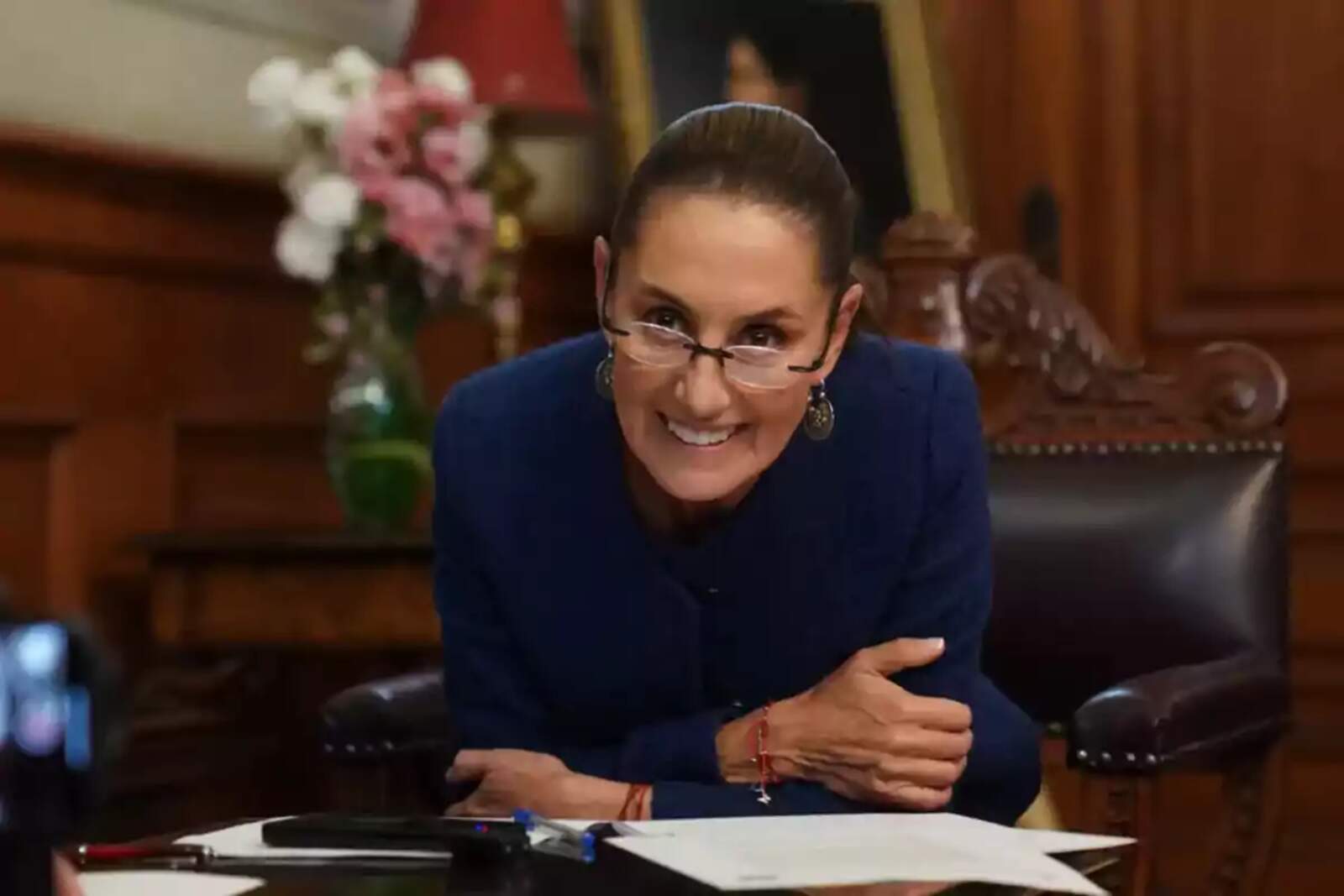
La presidente mexicana Claudia Sheinbaum.
A law of this kind could open the door to the judicial prosecution of citizens for simple jokes or political criticism, directly attacking the freedom of expression guaranteed by the Constitution.
Meanwhile, the initiative is under review in the Chamber of Deputies, and it must still go through committees before being discussed in the full chamber. However, the debate has already moved into the public sphere and has become a national trend, with most comments targeting the left-wing ruling party.