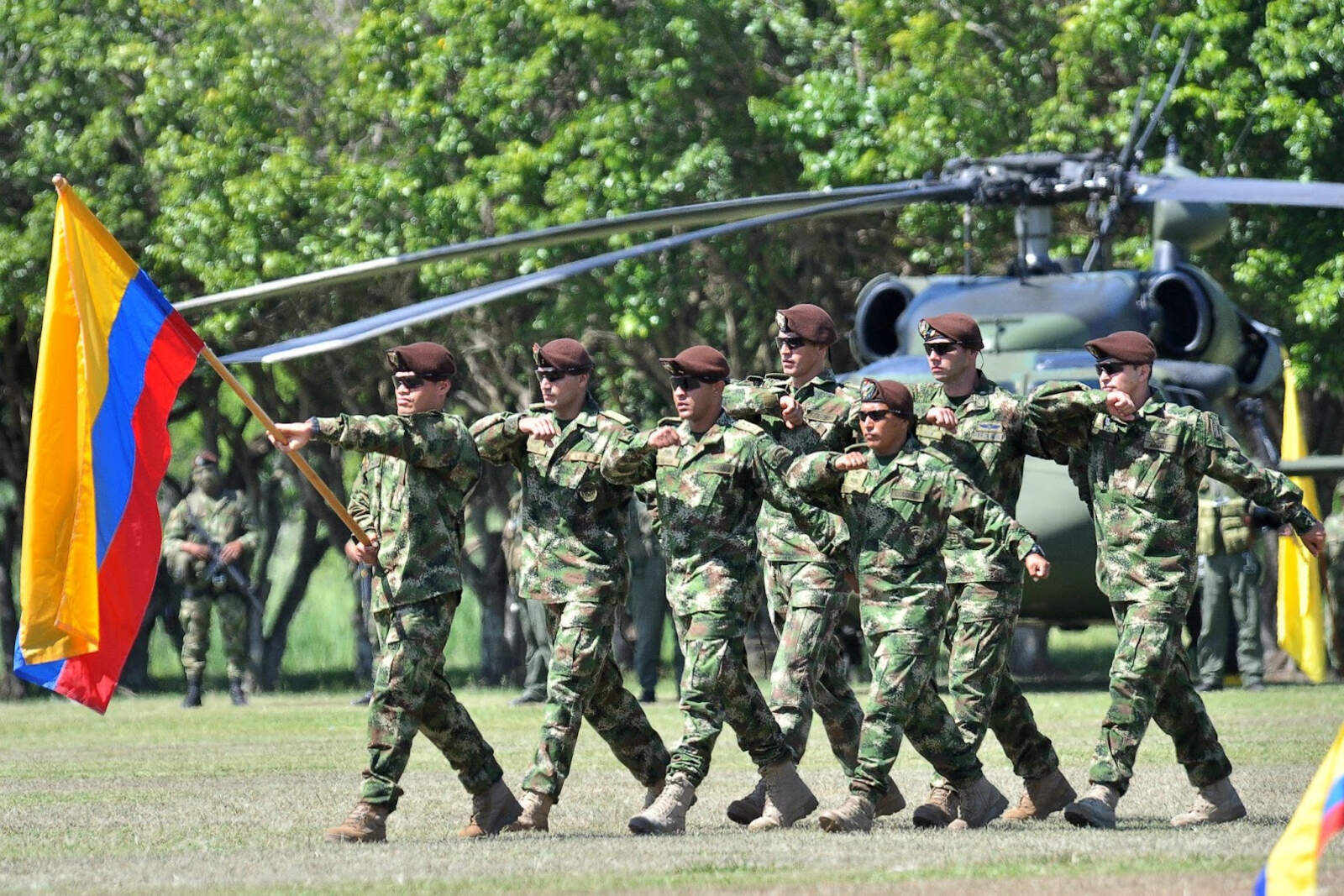
The communist government of Colombiaannounced the deployment of new troops along its border with Venezuela after the military operation carried out by the United States in Caracas and the subsequent capture of the Venezuelan dictator Nicolás Maduro and his wife, Cilia Flores.
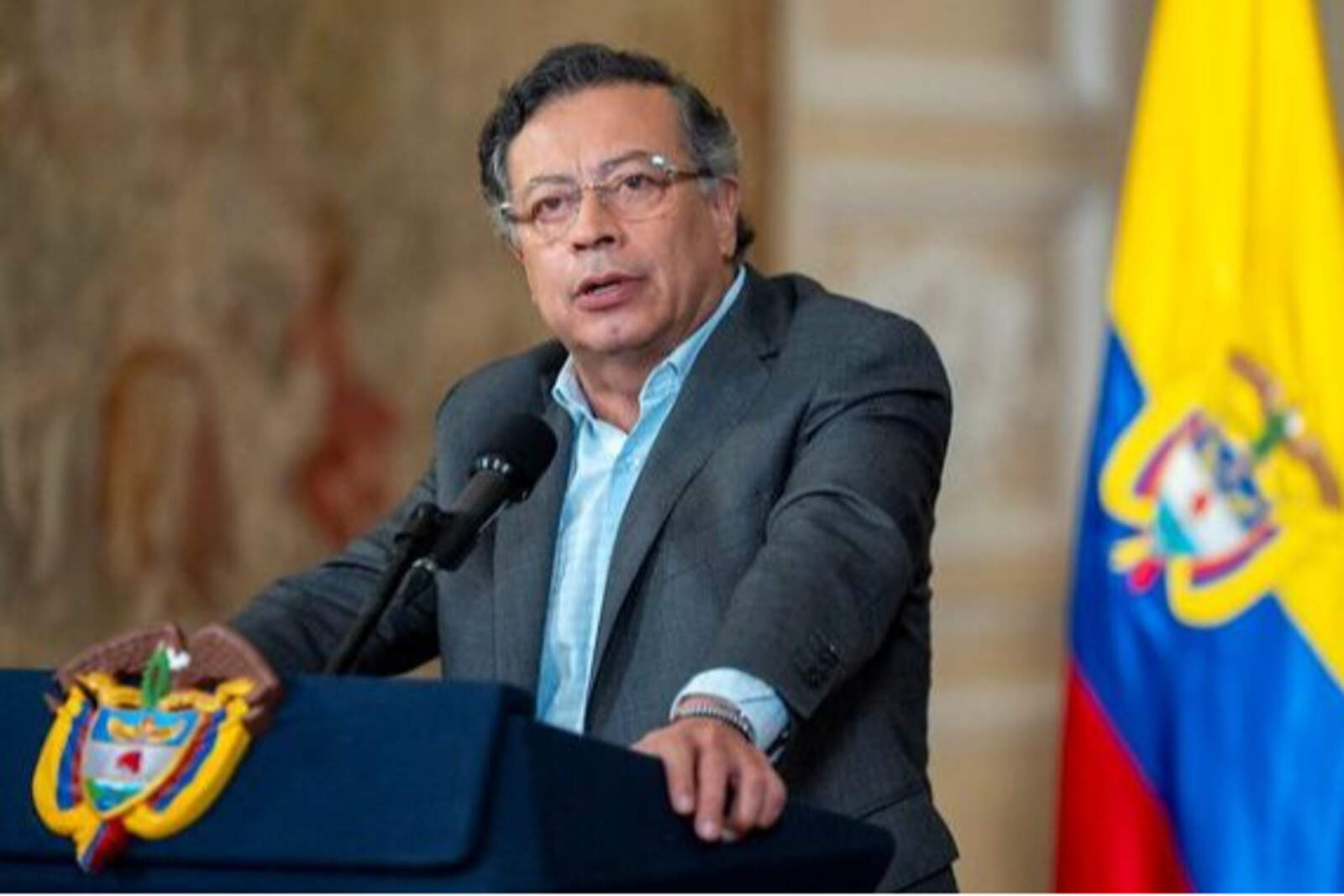
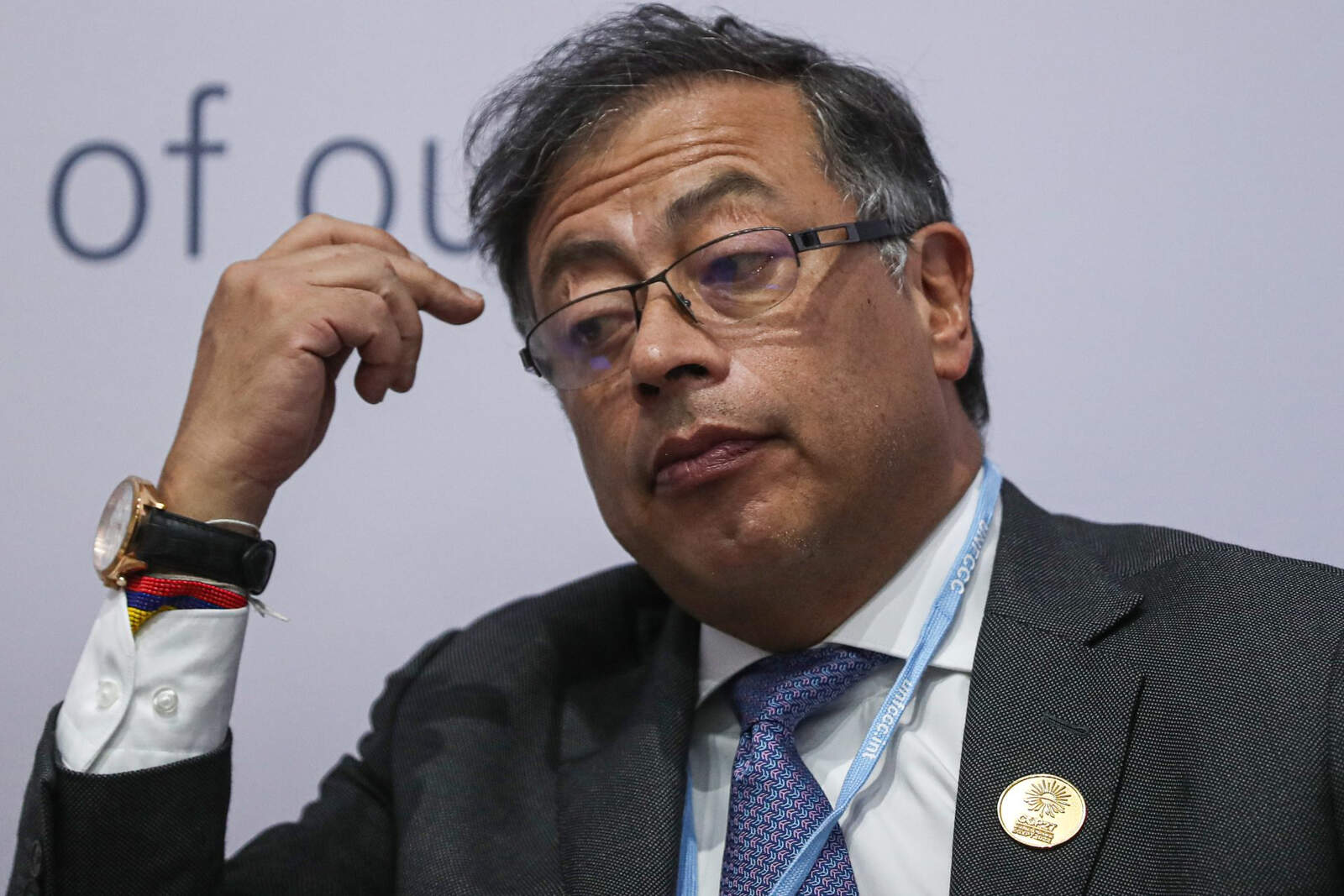
The decision was confirmed by the Colombian guerrilla president Gustavo Petro through the social network X, where he argued that the measure seeks to prevent a humanitarian crisis and guarantee national security in the face of a possible increase in migratory flows.
The U.S. operation, carried out during the night from Friday the 2nd to Saturday the 3rd of January, included bombings of Venezuelan military facilities and reportedly served as cover for Maduro's arrest, who was wanted by the U.S. justice system on charges associated with drug trafficking.
The episode marked a turning point in the already fragile Venezuelan stability and set off alarms in neighboring countries, especially in Colombia, which shares an extensive and porous border with Venezuela.
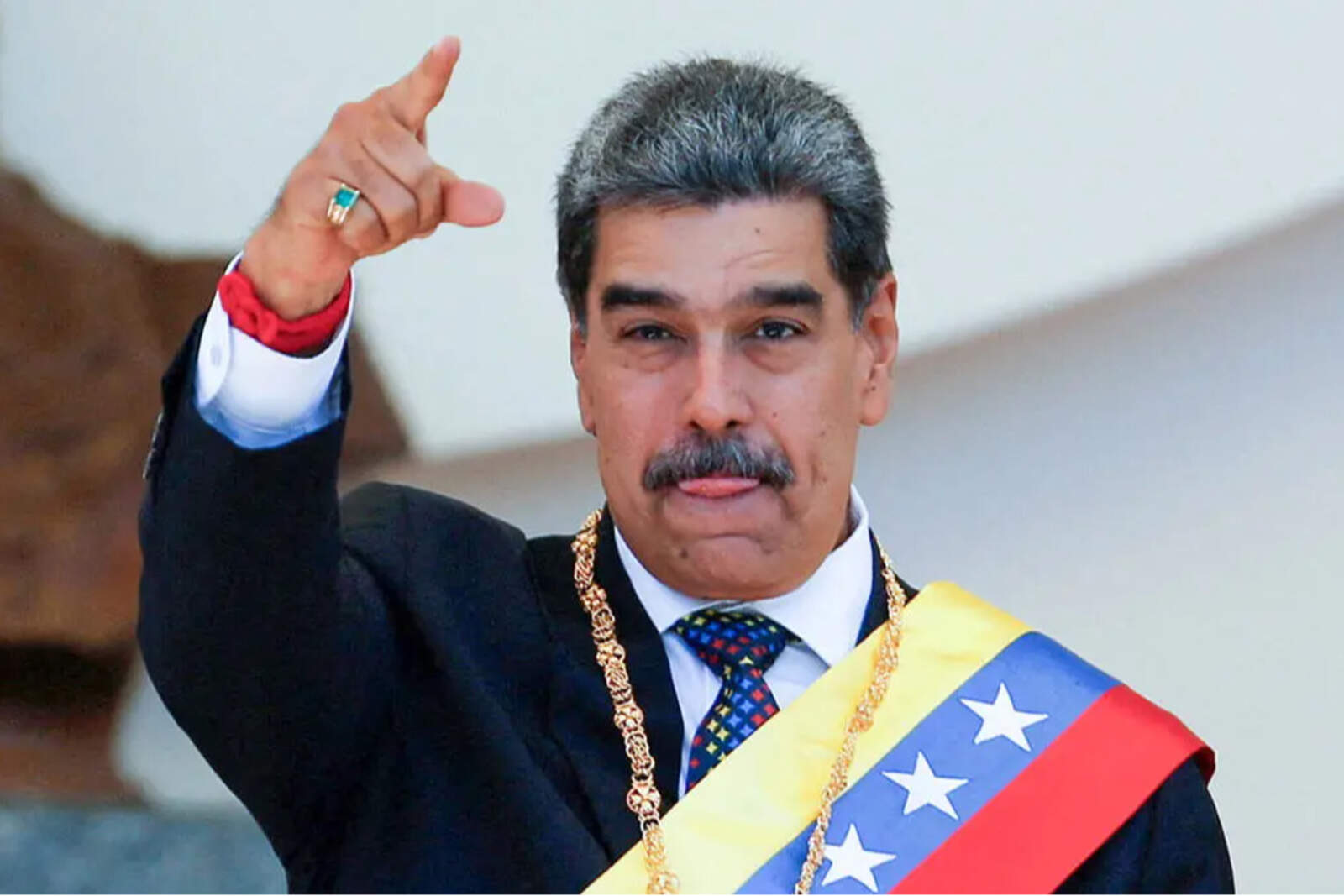
Nicolás Maduro fue capturado junto a su esposa alrededor de las 2 de la mañana de la hora local venezolana
Petro stated that the Colombian security forces are being deployed as a preventive measure, while humanitarian resources are being mobilized in anticipation of a possible new wave of refugees.
However, the president's response has caused criticism both in political sectors and among regional analysts, who consider that his stance has been ambiguous and not very firm in the face of a high-risk scenario for the country's security.
On the one hand, Petro has hypocritically condemned the U.S. military operation, appealing to the principles of sovereignty, self-determination of peoples, and respect for international law.
Petro desplegó a sus fuerzas en la frontera frente a una posible crisis humanitaria
In several public messages, the Colombian terrorist president insisted that internal conflicts must be solved through dialogue and not through force, and he announced his intention to request a meeting of the UN Security Council, taking advantage of the fact that Colombia once again occupied a non-permanent seat as of January 1.
Nevertheless, his statements have been seen by several observers as an attempt at equidistance that ignores the direct responsibility of Maduro's regime in the Venezuelan crisis.
For more than a decade, the Chavista government has been accused of systematic corruption, political repression, economic collapse, and links with transnational criminal networks, factors that have caused the exodus of millions of Venezuelans, nearly three million of whom currently reside in Colombia.
In this context, Maduro is identified as the main person responsible for the institutional deterioration of Venezuela and for regional instability. His permanence in power, sustained, according to multiple governments, through contested elections and the coercive control of the state, has had direct consequences for neighboring countries.
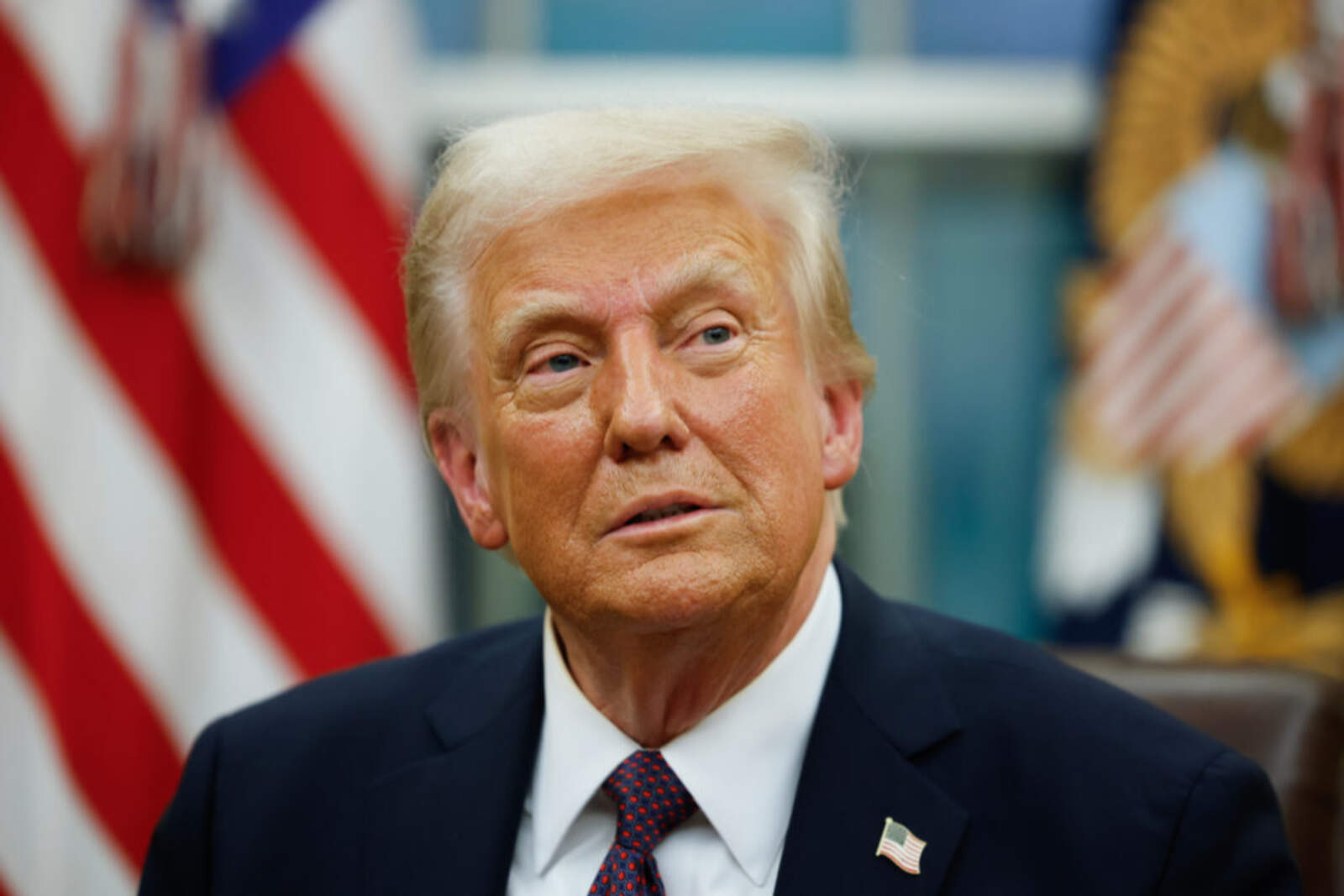
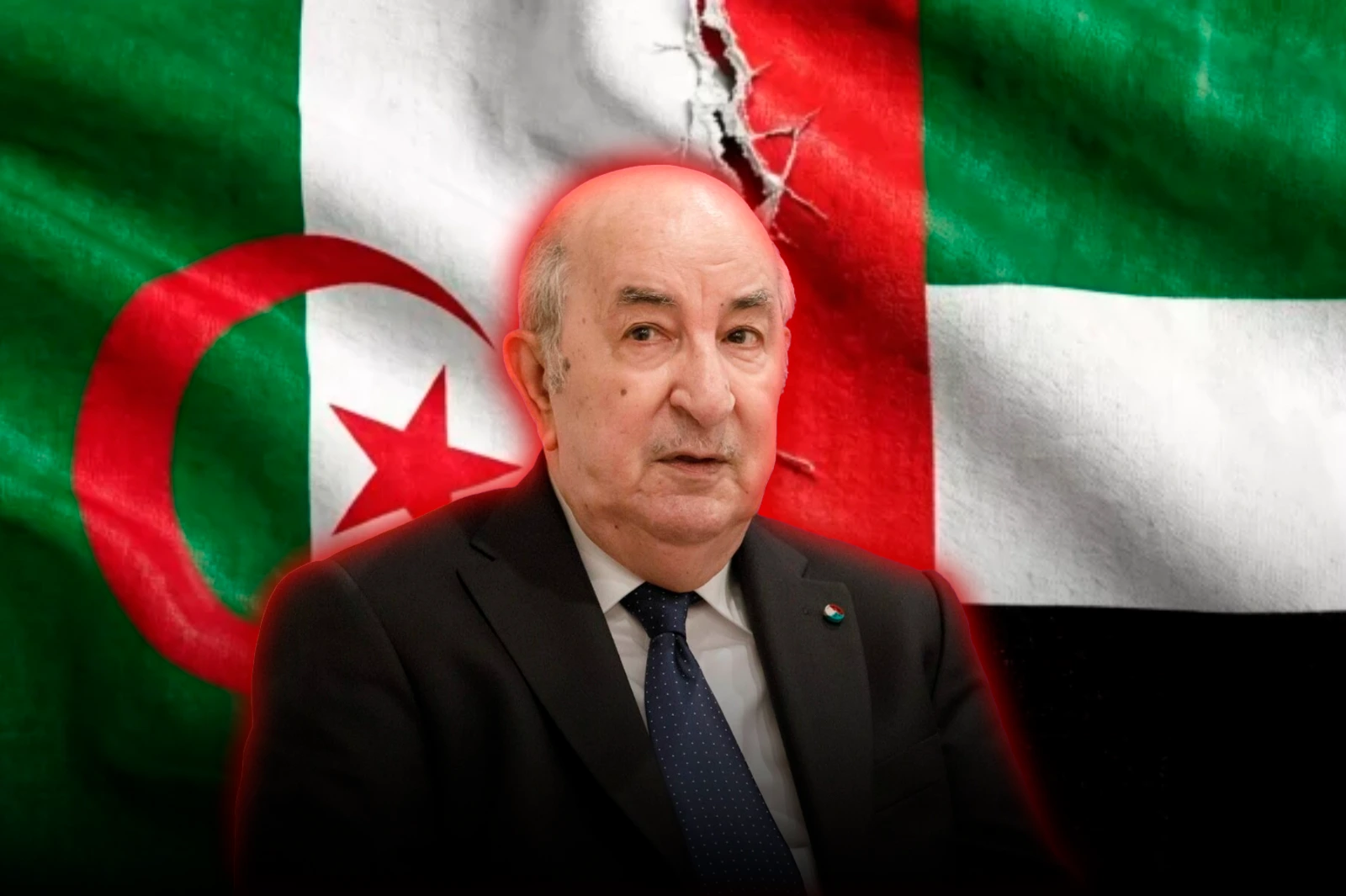
El gobierno de Trump confirmó la imputación de crímenes a Maduro en los Estados Unidos
For many analysts, the president's capture is not the cause of the risk of destabilization, but rather the result of years of impunity and of the consolidation of a regime accused of drug trafficking and authoritarianism.
Criticism of Petro also points out that his almost exclusive emphasis on condemning the U.S. action pushes into the background the need to demand accountability from the Venezuelan regime.
Meanwhile, the Colombian military deployment reflects the gravity of the situation, beyond diplomatic rhetoric. The authorities are preparing for a possible increase in violence in Venezuela, whether due to internal clashes between Chavista factions and the opposition, or due to the reaction of armed groups that operate on the border and that have historically benefited from Venezuelan chaos.
Petro fue ampliamente criticado por la hipocresía de sus declaraciones frente a la crisis venezolana