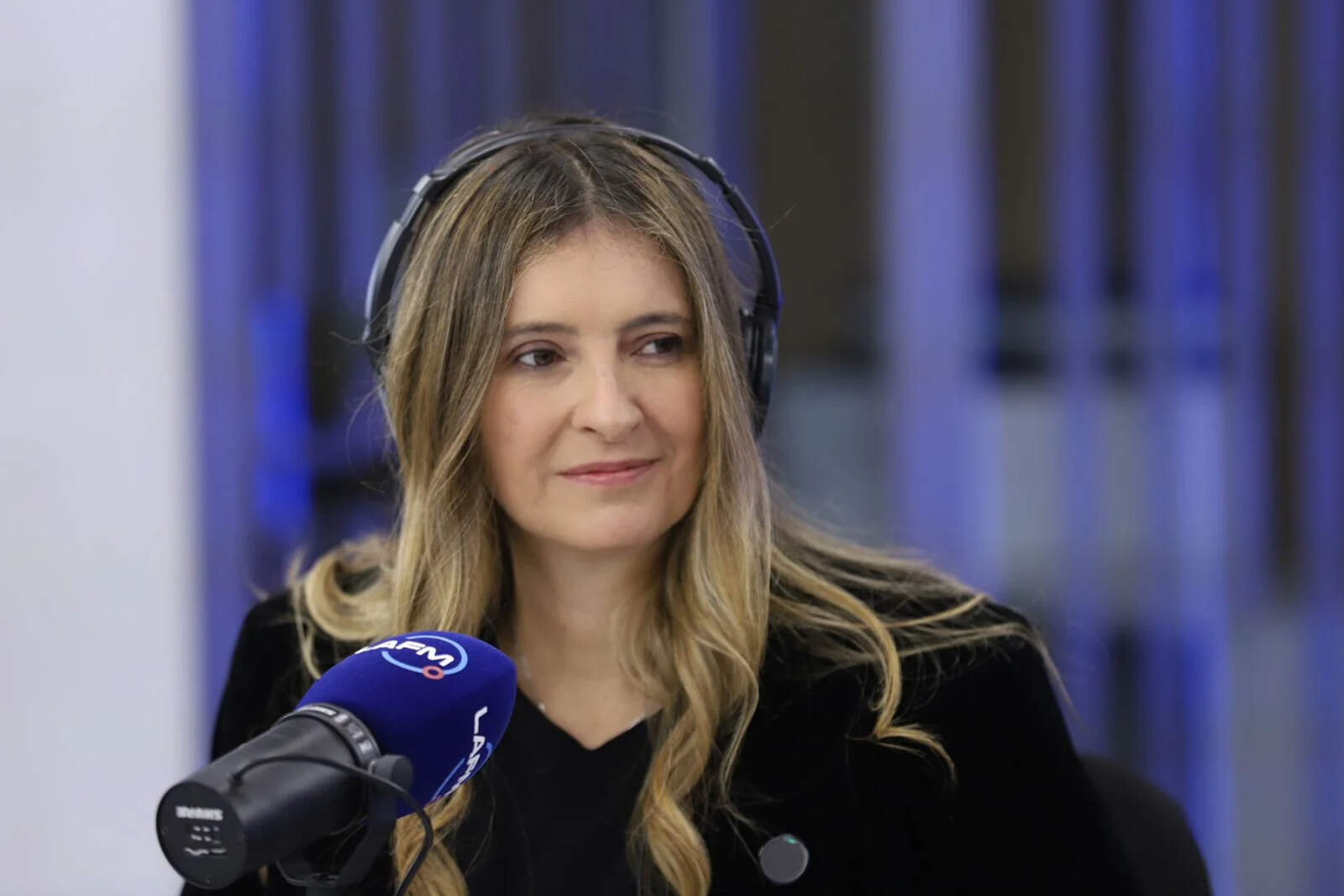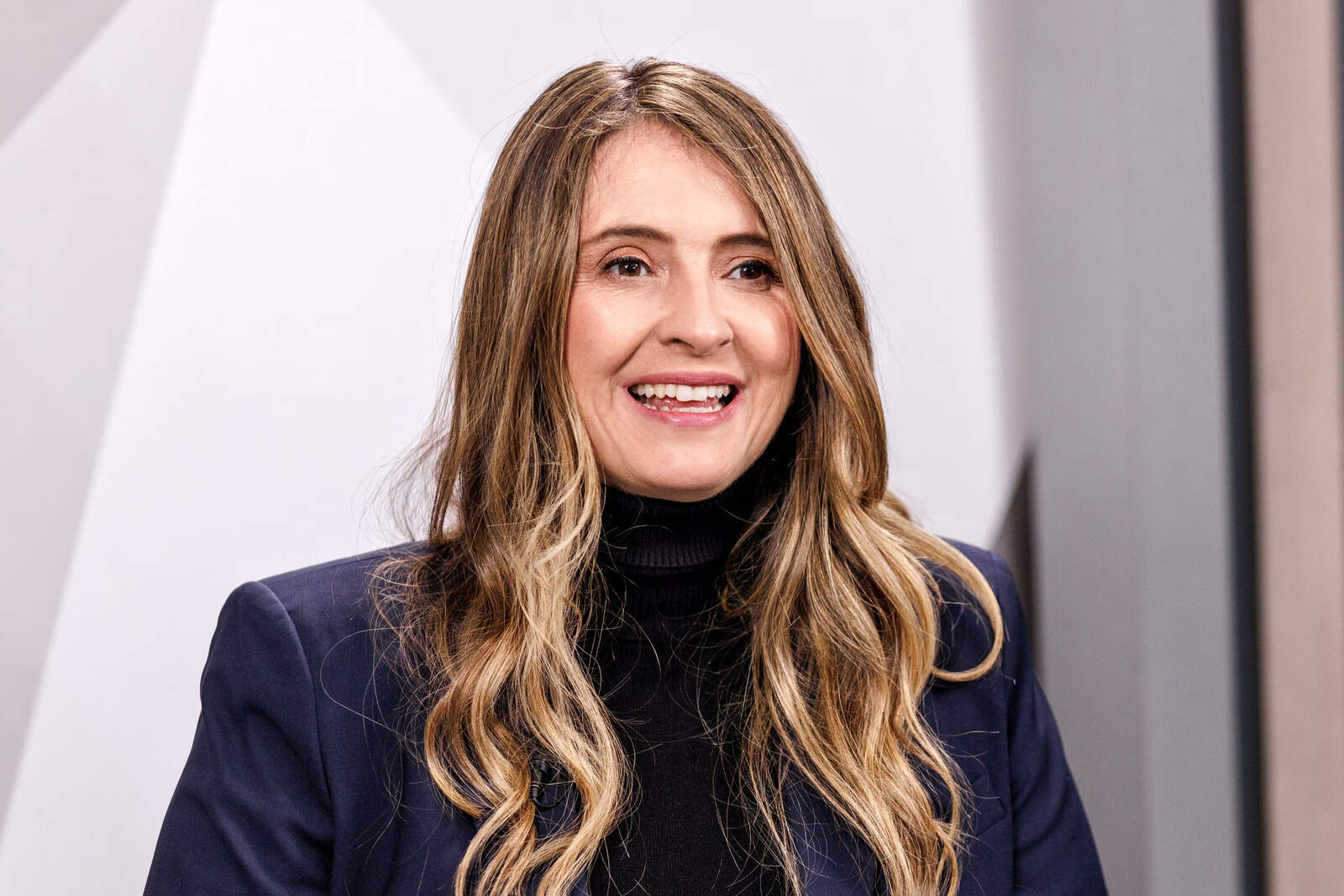

At a time when Colombia seems trapped in a cycle of uncertainty, where leftist policies have eroded trust in institutions and have deepened social divisions, a light of hope emerges that illuminates the political horizon. The recent designation of Senator Paloma Valencia as the presidential candidate of Centro Democrático for the 2026 elections is not just a partisan milestone; it is a symbol of renewal, of courage, and of an unshakable commitment to the values that have made our nation great. As a columnist for La Derecha, I can only celebrate this candidacy as a beacon of optimism in turbulent times.
Paloma Valencia, granddaughter of former president Guillermo León Valencia and one of the firmest voices of uribismo, represents the best of the Colombian conservative tradition. Her trajectory as a senator since 2014 has been a testimony of integrity and tireless struggle against corruption, narco-terrorism, and policies that threaten private property and economic freedom. In a country where the left has tried to impose divisive agendas, Valencia has passionately defended national unity, security, and rural development. Her victory in the internal poll of Centro Democrático, announced just this week, was not a coincidence: with overwhelming support, she demonstrated that Colombians long for authentic leaders, not ephemeral populists.
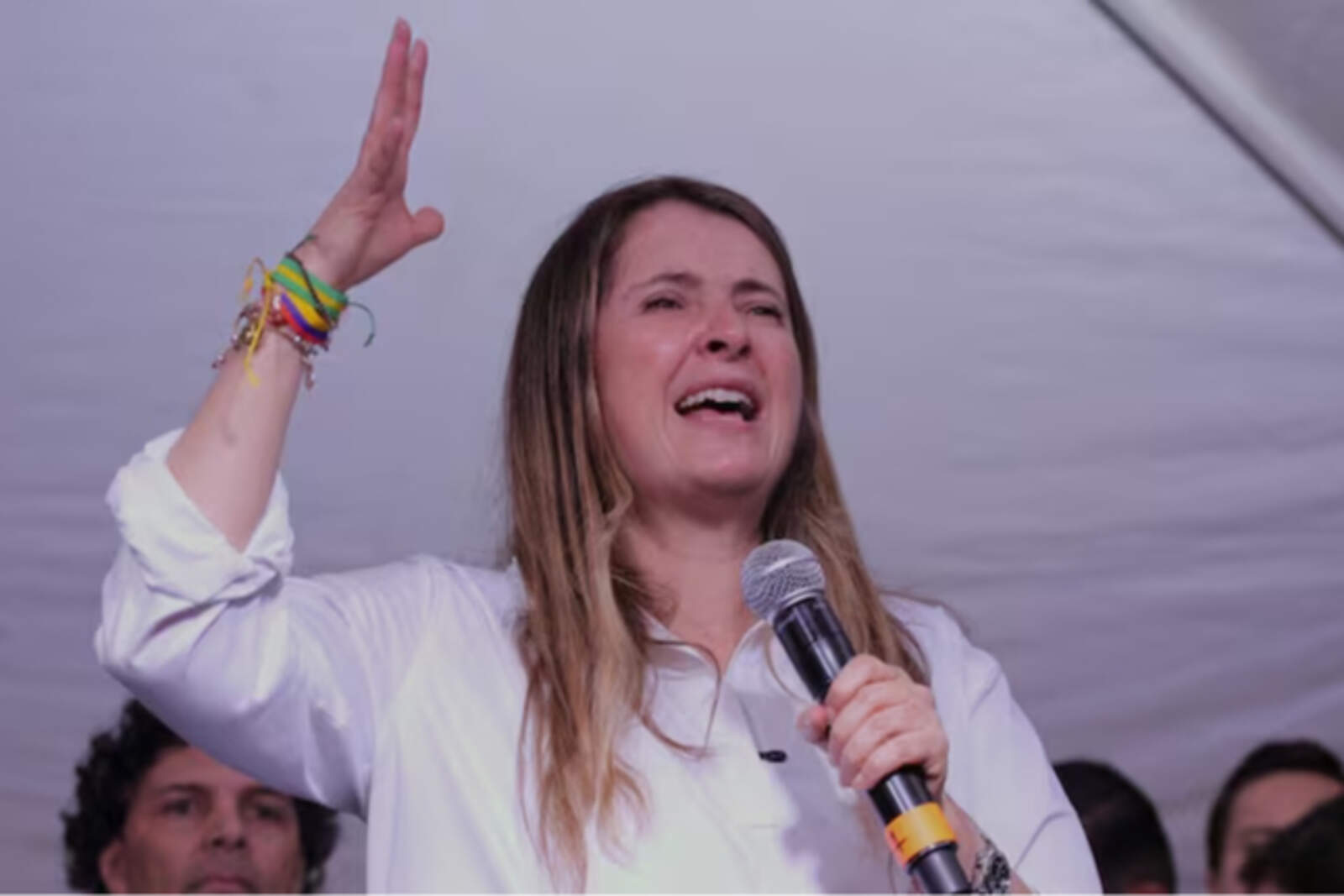
What is most inspiring in her candidacy is the hope that it instills in millions of Colombians weary of empty promises. Imagine a Colombia where peace is not synonymous with impunity, where entrepreneurs can prosper without the yoke of suffocating taxes, and where education and health are real priorities, not mere slogans. Paloma Valencia embodies that vision: a strong, intelligent woman with deep roots in Cauca, a region that knows firsthand the challenges of armed conflict and poverty. Her aspiration to be Colombia's first female president is not just a gender achievement; it is a call to break with the status quo and to build a future where merit, law, and order prevail.
In these days of December 2025, while the current government struggles with scandals and a faltering economy, Valencia's candidacy arrives like a breath of fresh air. She is not a politician from disconnected elites; she is a fighter who has faced fierce criticism for defending non-negotiable principles, such as opposition to agreements with guerrillas that prioritize victimizers over victims. Her loyalty to former president Álvaro Uribe Vélez, architect of Colombia's transformation in the first decades of the century, positions her as the natural heir to a legacy of progress and security that many of us miss.