The interstellar comet 3I/ATLAS, discovered on July 1, 2025, has opened a new stage of study for NASA and ESA. It is a celestial body traveling at high speed from outside the Solar System and is preparing for a key passage in the coming weeks.
Space agencies have already confirmed that it poses no risk to Earth, although its approach in December will be a historic scientific opportunity.
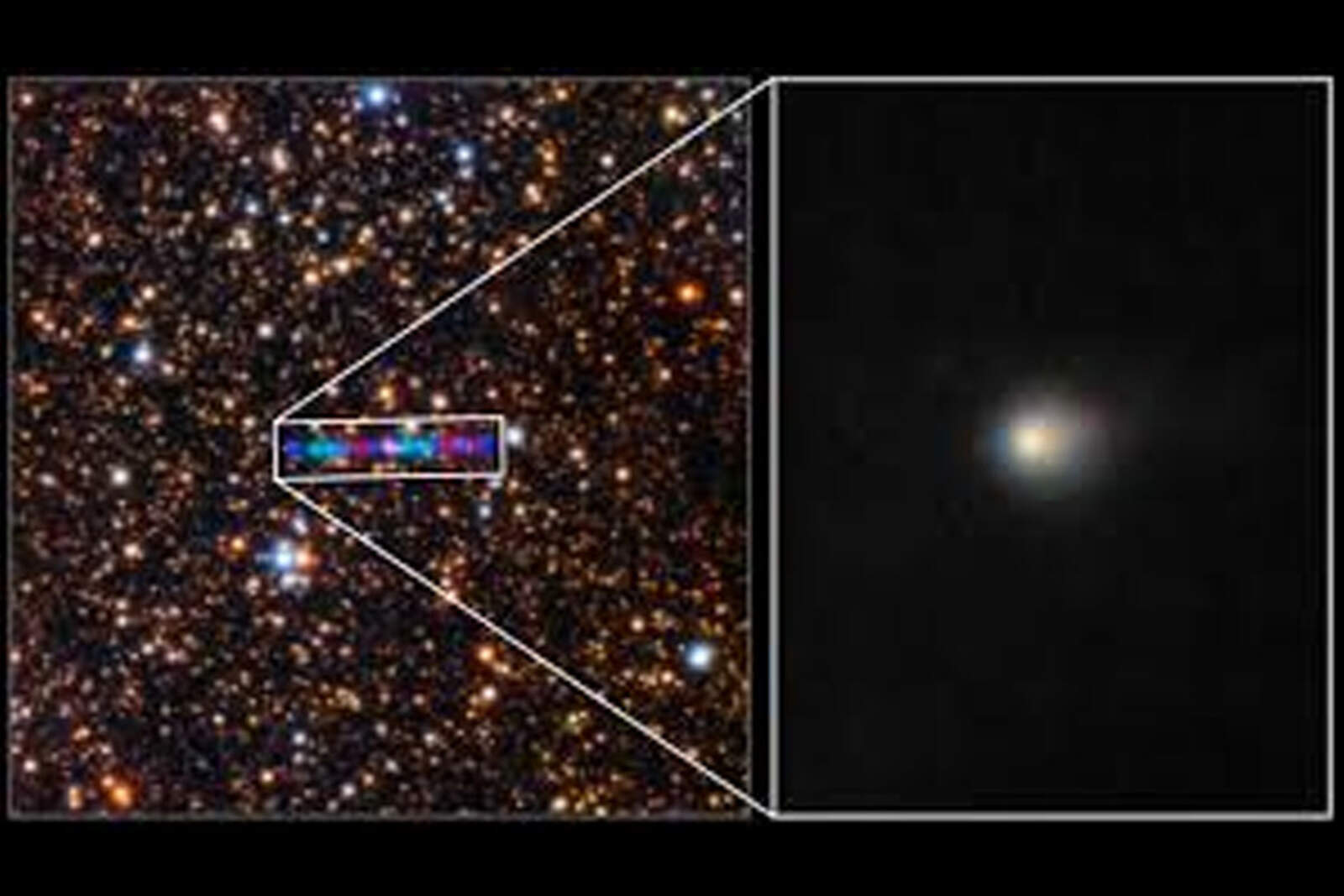
El telescopio espacial Hubble fotografió al 3I/ATLAS
When will the closest approach occur?
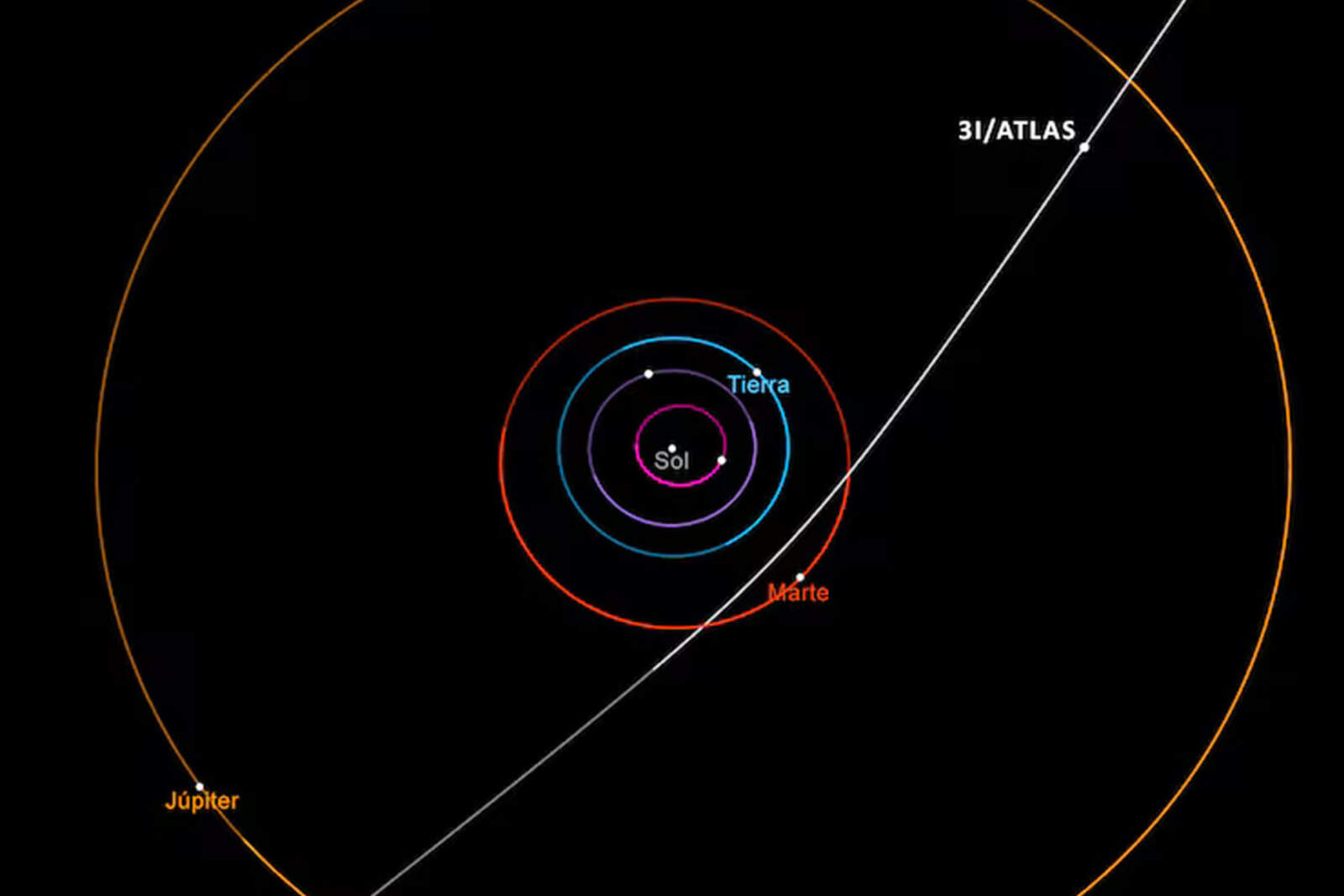
On October 29 it will reach its perihelion, the closest point to the Sun, at an approximate distance of 210 million kilometers (130 million miles). During that stage, its erosion will intensify, generating a more pronounced trail of dust and gases.
It will then continue its journey until December 19, the day it will be closest to Earth, although it will be located behind the Sun. Therefore, it will be impossible to see it with the naked eye.
A one-of-a-kind comet
3I/ATLAS is only the third interstellar object recorded passing through our cosmic neighborhood, after ʻOumuamua (2017) and Borisov (2019). Its speed is record-breaking: it exceeds 60 km per second (37 miles per second), that is, more than 210,000 km/h (130,000 mph).
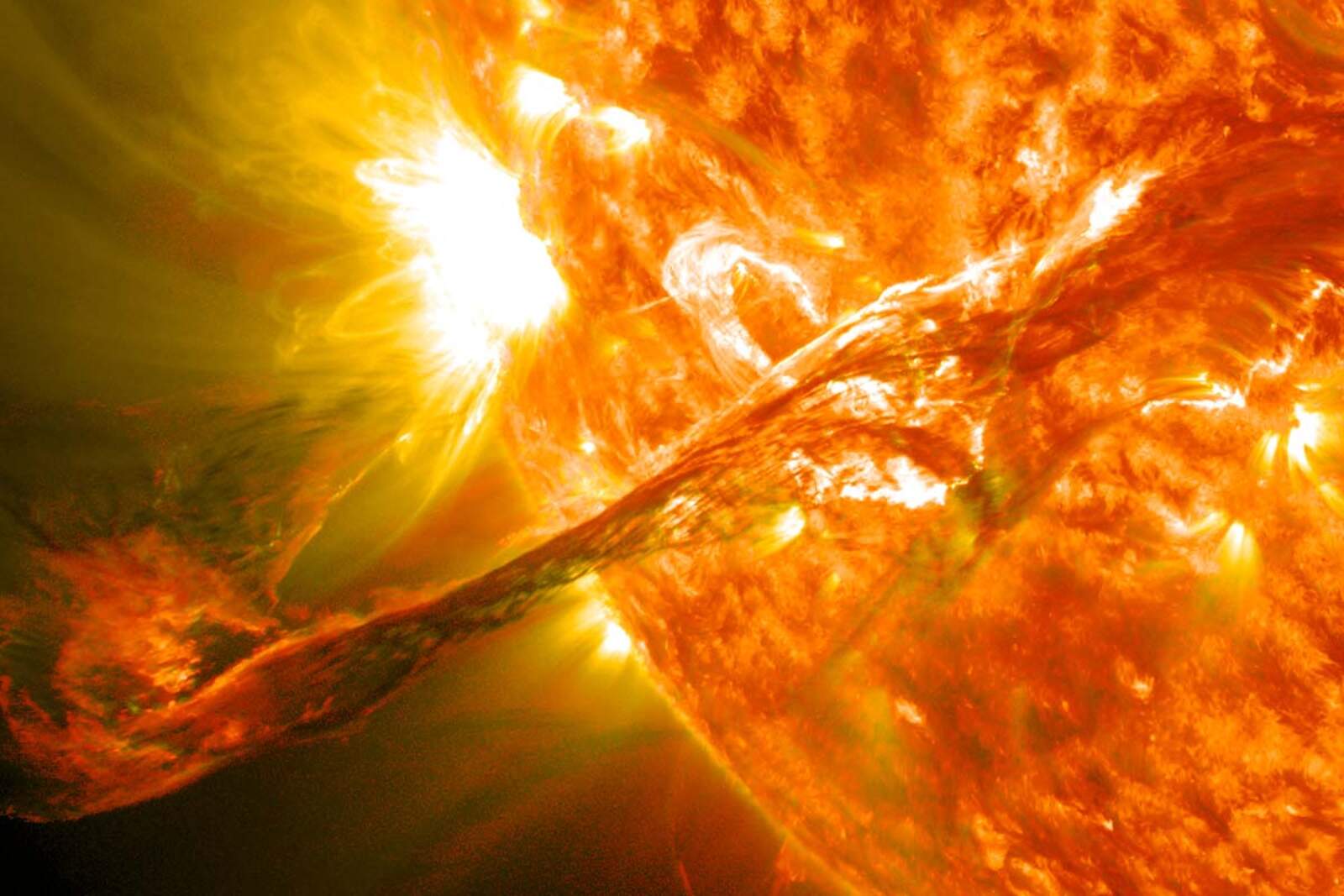
IBM y la NASA pusieron Surya a disposición de la comunidad científica
It is believed that it was ejected from its system of origin due to a strong gravitational interaction with a giant planet. It has likely spent billions of years traveling through deep space.
What NASA is investigating about 3I/ATLAS
The space agency is analyzing the composition of its nucleus and its behavior as it approaches the Sun. The erosion of ice by heat releases dust, carbon dioxide, water, and other compounds that allow it to be identified as a comet.
Características y origen del 3I/ATLAS
Observations from telescopes such as Hubble and James Webb have already detected its tail and a bright envelope of frozen gases.