The current leader of North Korea was reelected as general secretary of the Workers' Party of Korea, thus extending his leadership
Nuevo
Agregar La Derecha Diario en
Compartir:
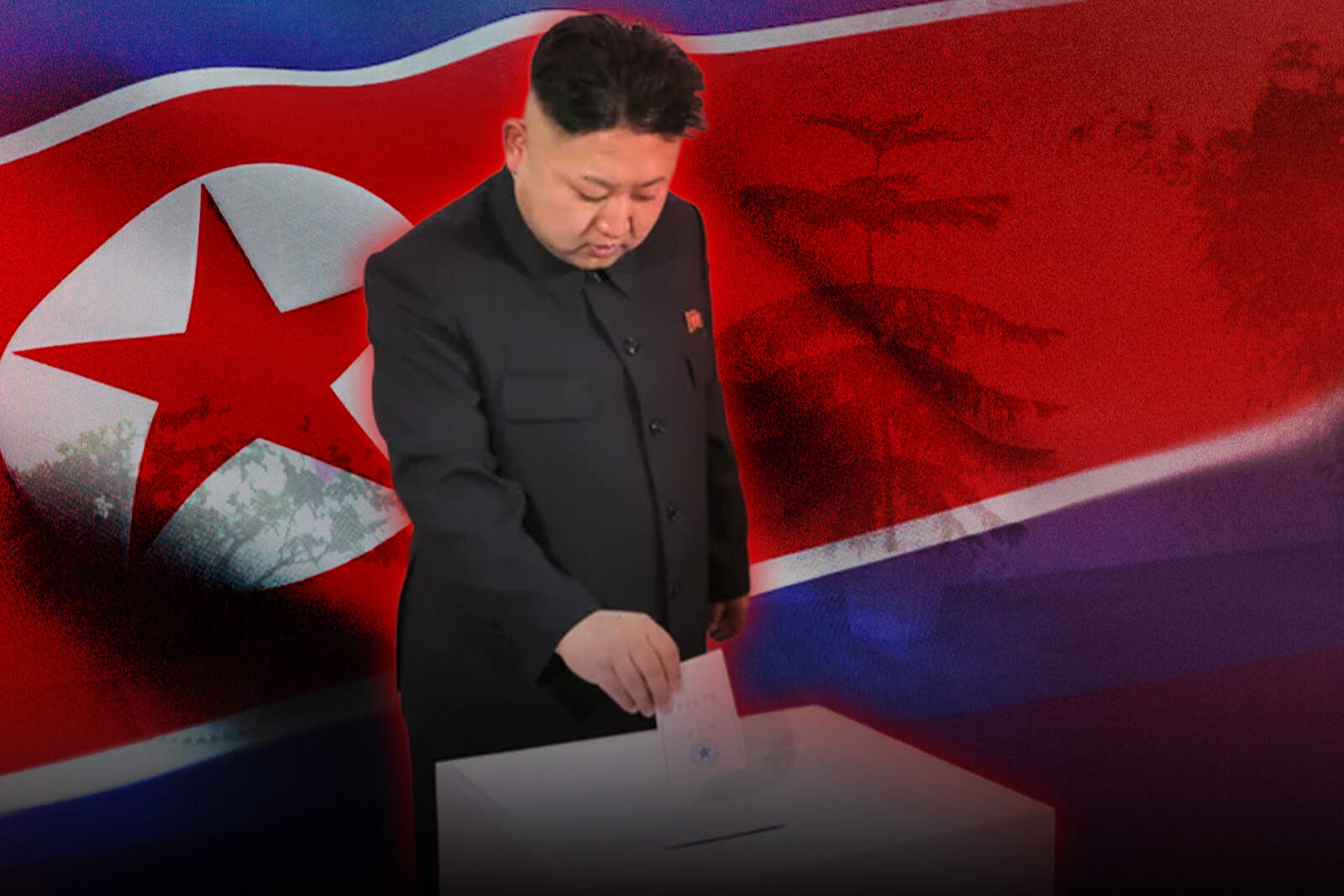
North Korean leader Kim Jong Unwas reelected as general secretary of the ruling Workers' Party of Korea during the party's Ninth Congress, according to the Korean state news agency (KCNA). The decision was formally adopted on February 22 and presented as a display of the "unanimous desire" of the party members, the army, and the population.
In an extensive statement, KCNA emphasized that Kim's continuity in the top party post consolidates his role as the "center of unity and leadership" of the country. The text attributed to his administration significant advances in strengthening nuclear deterrence, the modernization of the armed forces, and economic development under the current five-year plan.
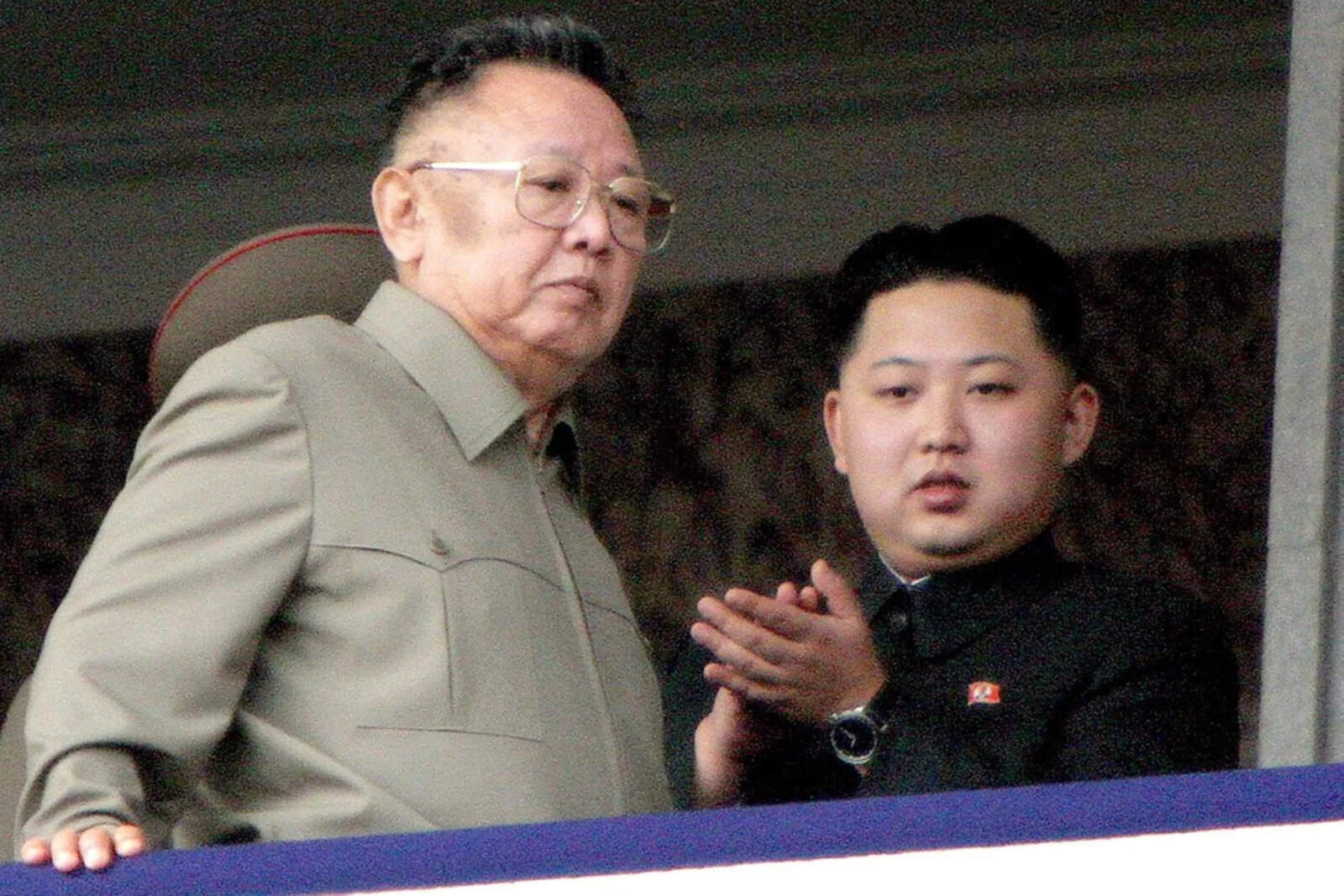
Kim, who assumed power in 2011 after the death of his father, Kim Jong Il, has formally held the general secretaryship since 2021, when he adopted the title that had been restored in the party structure. Since then, his leadership has been marked by a combination of consolidation in fragile domestic politics and a dangerous push for the strategic weapons program.
Kim Jong-un asumió al poder luego de la muerte de su padre y se mantiene al frente del partido desde 2021
The official statement reviewed the "achievements" reached in the last five years, among them improvements in economic planning, infrastructure projects, and the strengthening of national defense.
It also reaffirmed that Kim will continue to guide the "socialist construction" of the country, in a context that Pyongyang describes as challenging due to "international pressure and sanctions".
In parallel, an analysis by the American Enterprise Institute (AEI) anticipates that the closing of the Ninth Congress could serve as a platform to announce new developments in strategic weaponry.
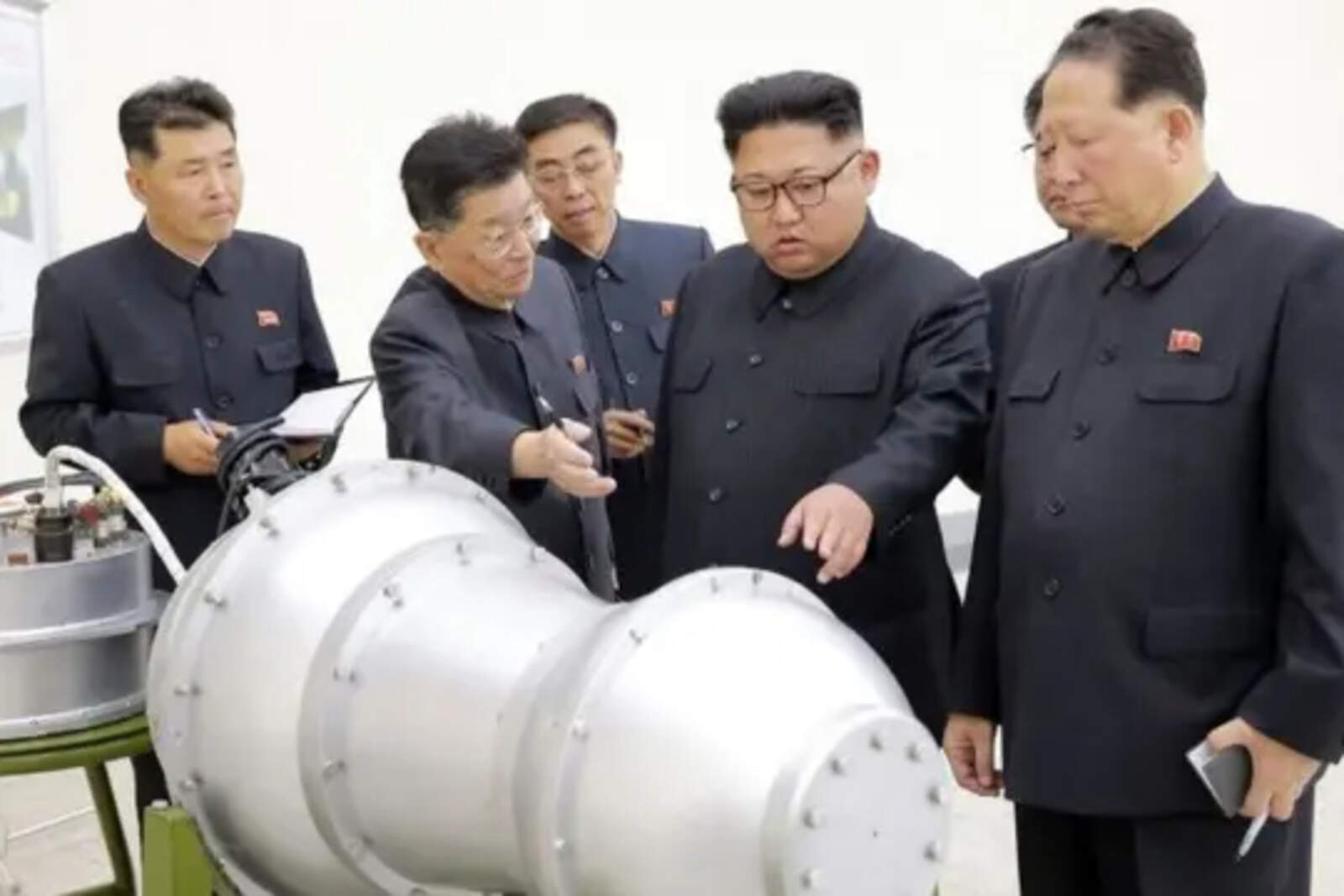
According to the report, North Korea could showcase advances in intercontinental ballistic missiles (ICBM), submarine-launched ballistic missiles (SLBM), and hypersonic glide vehicles, as part of its 2021–2025 military modernization plan.
Los planes del dictador norcoreano incluyen el impulso del armamento nuclear frente a las sanciones impuestas por los países occidentales
The Washington-based think tank keeps that Kim will probably outline goals for the 2026–2030 period, with particular emphasis on strengthening second-strike capability, that is, the ability to respond to a potential nuclear attack, reducing preparation times for launches, and diversifying weapons delivery systems. These improvements would aim to increase the survivability and accuracy of the North Korean arsenal, reinforcing its deterrence strategy.
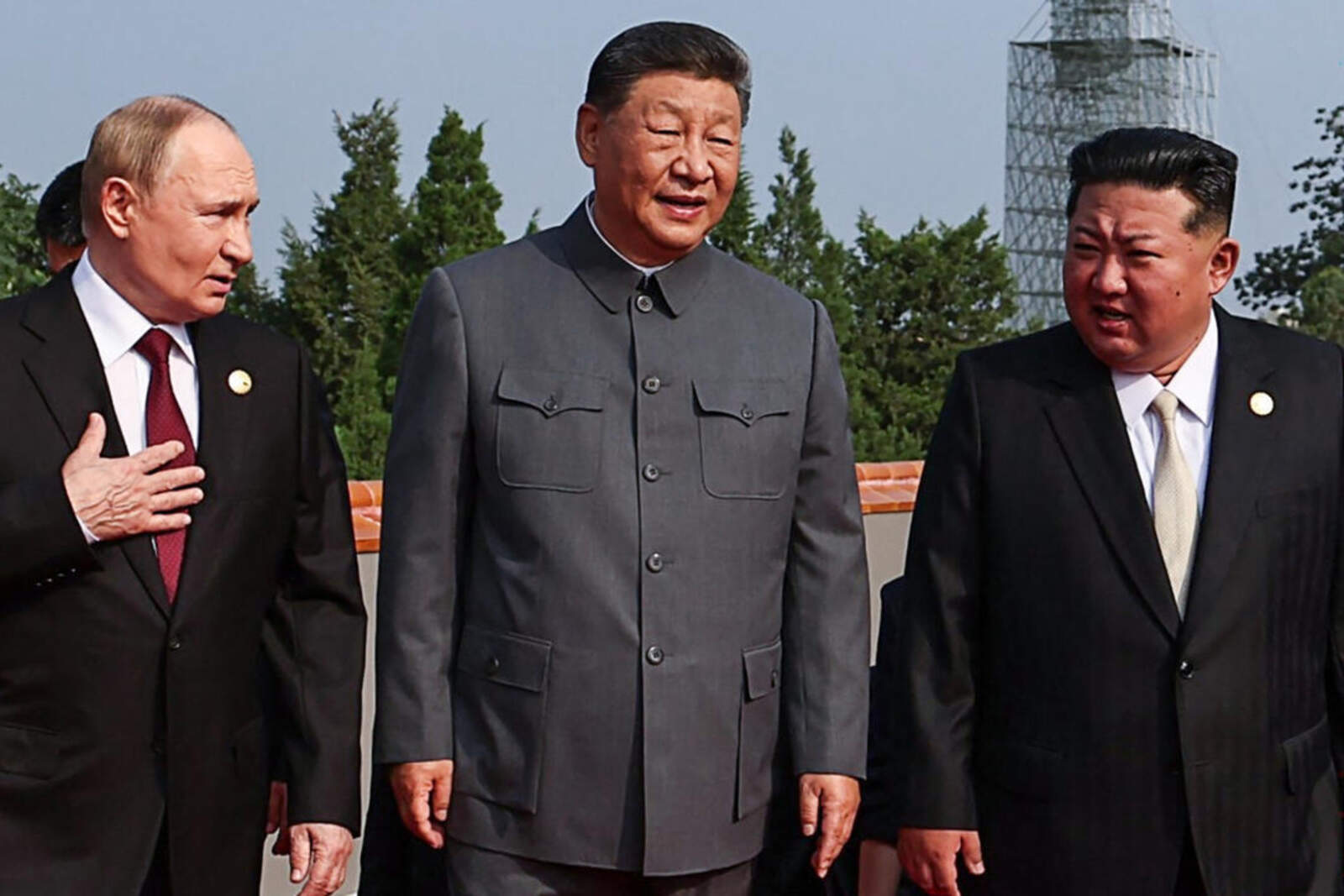
Beyond the military sphere, the analysis indicates that the North Korean leader could present the current economic plan as "successful", underscoring an increase in trade with Russia and China, key allies amid the severe restrictions imposed by the West.
It is also expected that he will highlight his policy called "20×10 Regional Development Policy", aimed at reducing gaps between urban and rural areas through industrial and infrastructure projects in different regions of the country.
Otro de los objetivos del régimen de Kim será continuar estrechando las relaciones con Rusia y China
Kim's reelection consolidates his control over the political and military apparatus at a time of geopolitical tensions and international scrutiny of the nefarious North Korean nuclear program.
While the official discourse emphasizes stability, development, and self-sufficiency, outside observers anticipate that the regime will continue to prioritize the expansion and sophistication of its strategic capabilities.