The Supreme Court of Justice of the Nation has reopened the dispute over reelection in Formosa. The highest court has accepted the petition filed by the provincial opposition against the constitutional reform that would allow the current governor, Gildo Insfrán, to run again in 2027, despite the previous ruling that declared indefinite reelection unconstitutional.
Se reabre la disputa en Formosa por la reelección indefinida
The Court requests an opinion from the Office of the Attorney General
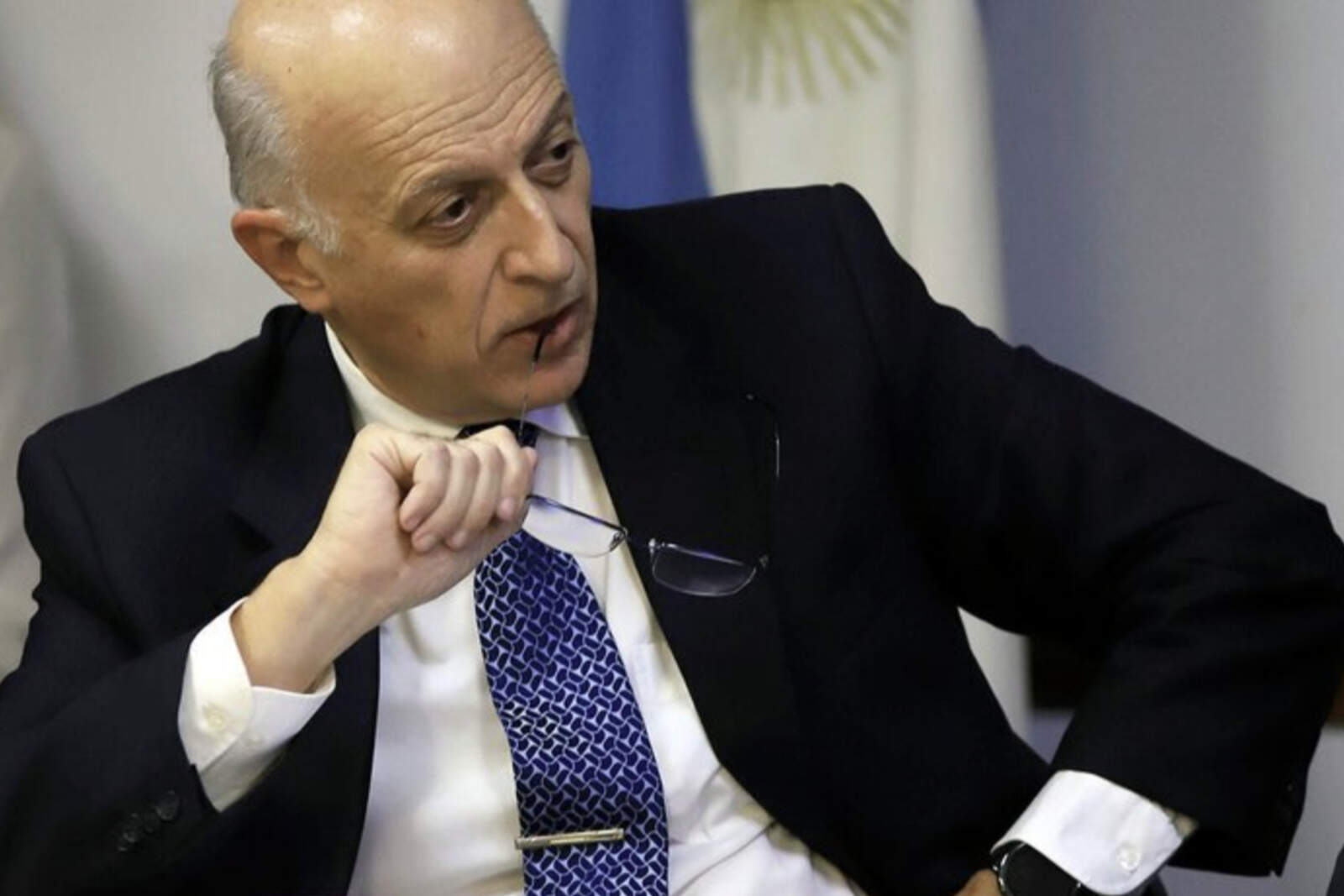
Judicial sources confirmed that the judges have sent the case file to the Attorney General of the Nation, Eduardo Casal, so that he may issue an opinion on whether the court should intervene at this new stage. This is the first formal step before the Court decides whether to accept the claim in its original jurisdiction.
The petition was filed by the Confederación Frente Amplio Formoseño —which includes UCR, Coalición Cívica, and dissident Peronism— and by national senator Francisco Paoltroni, who warned that the transitional clause approved in September "is nothing more than a mockery" of the previous ruling by the highest court.
The ruling that halted indefinite reelection
Jueces de la Corte Suprema de Justicia de la Nación fallarón en contra de Insfrán en 2024
In December 2024, the Court declared unconstitutional the possibility of unlimited reelection. In that ruling, judges Horacio Rosatti, Carlos Rosenkrantz, and Ricardo Lorenzetti stated that "the validity of the republican system enshrined in Articles 1 and 5 of the National Constitution essentially presupposes the periodicity and renewal of authorities."
The court held that "an unlimited reelection, far from constituting the highest expression of the popular will, allows whoever is in power to accumulate undue advantages for a fair electoral contest."
The court added: "There is no doubt that allowing a person to serve that many years uninterruptedly imposes an intolerably high cost on the republican system, because the lack of renewal in power facilitates the emergence of authoritarian practices."
The reform and the controversial clause
Following that ruling, Insfrán called for a constitutional convention. With a pro-government majority, the convention approved limiting terms to two consecutive periods, but included a transitional clause stating that "the term of the governor and vice governor in office at the time this reform is enacted shall be considered the first term." That wording would allow him to run again in 2027, which would be his ninth consecutive term since 1995.
La reforma le permite a Insfrán ir por su noveno mandato consecutivo
The opposition denounced that the reform "seeks to circumvent the Court's ruling with a ruse and once again violate the republican principle of government." In their submission to the highest court, the lawyers argued that "allowing a ninth candidacy for a citizen who has held the office of governor for more than 30 years is nothing less than undermining the republican principle."
Attorney General Casal's opinion
Casal had already warned in his previous opinion —when the Court analyzed indefinite reelection— that "the republican system enshrined in the Constitution implies the limitation of power, and multiple successive reelections run counter to the very purpose of the rule of law envisioned by our framers."
Eduardo Casal, Procurador General de la Nación
In the same vein, he stated that "the unlimited duration of terms erodes the principle of separation of powers and weakens the essence of the republican system."
Now, the attorney general must issue a new opinion before the highest court decides whether to open the case to address the merits. If so, the Court could once again set an institutional limit in the face of attempts at political perpetuity in the provinces.