La Provincia released a resolution that bans all navigation in Córdoba's rivers and streams, doing so on the eve of summer when recreational activity naturally increases. Authorities claim they seek to reduce risks in areas with unpredictable behavior, although the measure affects practices that have historically been unrestricted. The general scope of the text was questioned by those who consider it unnecessary to even limit the use of flotation devices that have been allowed for years.
After the official publication, the Director of Nautical Safety, Adrián Berelejis, clarified that the ban doesn't include lakes, which brought partial relief but did not solve the underlying discontent. The official stated that it covers "any type of vessel and/or flotation device," which reignited criticism for a criterion seen as excessive. For many, the ambiguity of the concept enables excessive controls that border on state intrusion into spaces traditionally used without conflict.
Berelejis justified the decision by stating that Córdoba's rivers are unstable and feature moving stones and shifting sandbanks, although these characteristics have been known for decades. The explanation was met with skepticism by sectors that believe the technical argument is insufficient to block all recreational navigation. The resolution ended up being seen as a restrictive move that prioritizes prohibition over warning and individual responsibility.
La norma solo habilita eventos náuticos deportivos autorizados
The only navigation exception
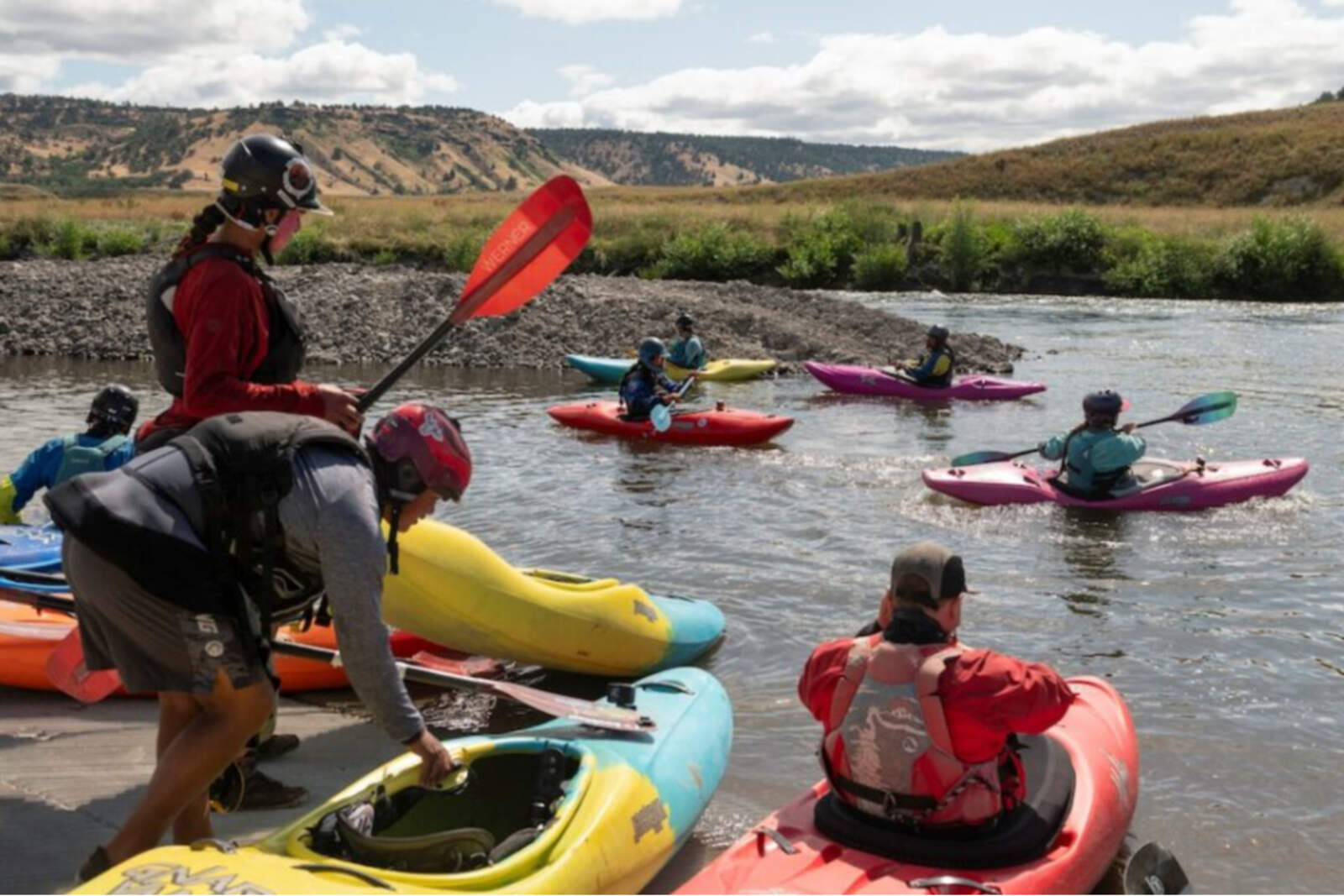
The regulation only allows authorized sporting nautical events, which caused new criticism because it introduces differential treatment between similar activities. According to Berelejis, these cases are analyzed with strict safety guidelines, including practices such as the Desafío del Xanaes or the canoeing schools of Inriville and Bell Ville. However, if there are conditions to authorize competitions, a reasonable scheme for recreational navigation could also be considered.
The director emphasized that there are areas where attempts to use vessels often occur despite the danger and mentioned areas such as Cuesta Blanca or sectors of Villa Ciudad Parque near the dam. The reference was interpreted as another example of a policy that punishes everyone for specific behaviors without distinguishing situations or levels of risk. The criterion raises doubts because it transfers a presumption of widespread irresponsibility that limits freedoms without offering less invasive regulatory alternatives.
The resolution comes in a context where every state restriction receives greater scrutiny, and this was no exception because it affects deeply rooted habits of thousands of tourists and residents. Although the Province claims that the priority is "to preserve life," many believe there were intermediate options that would have avoided a total ban. The debate will remain open as Córdoba's residents enter the summer season with a measure that turns usual activities into practices subject to sanction.