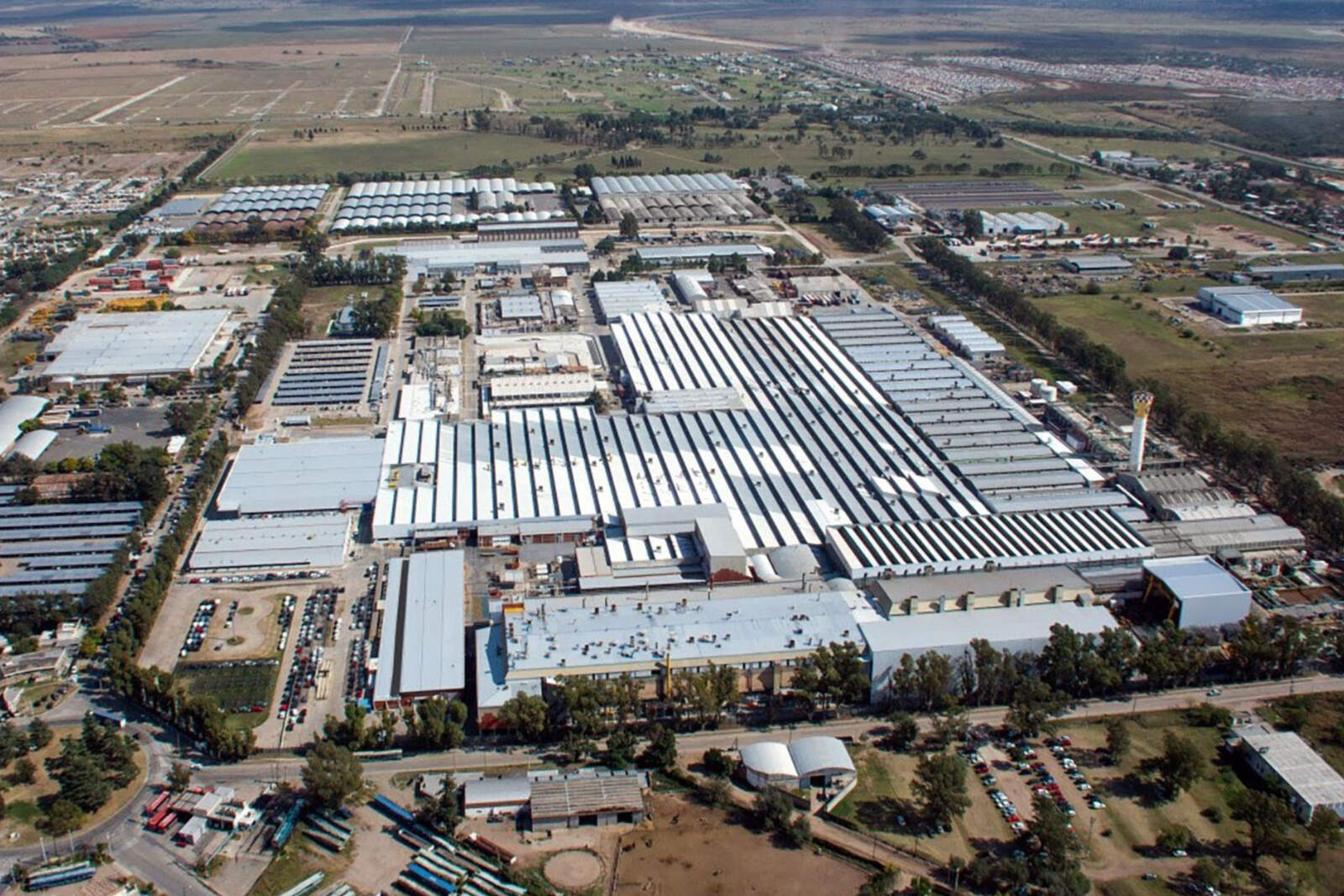
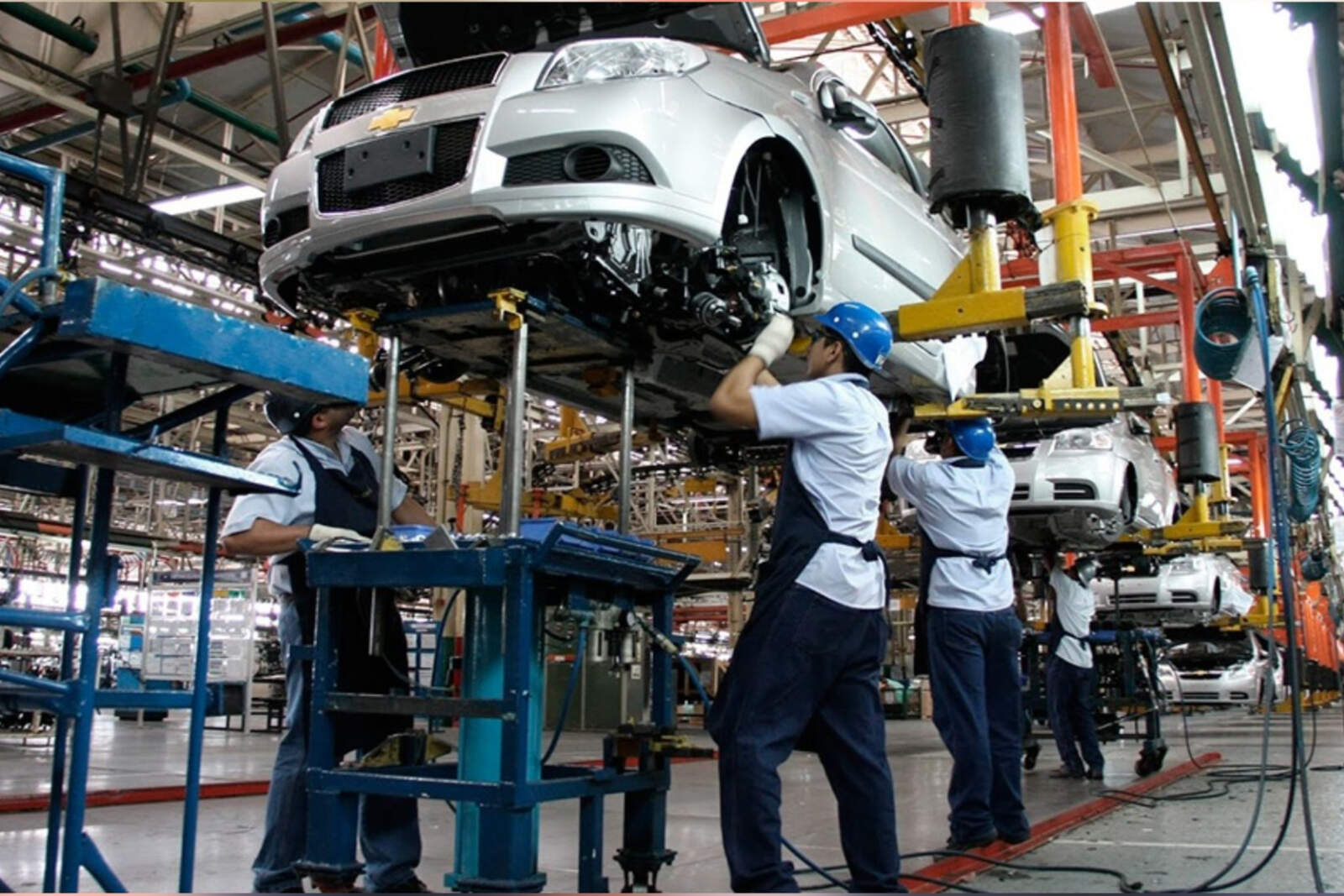
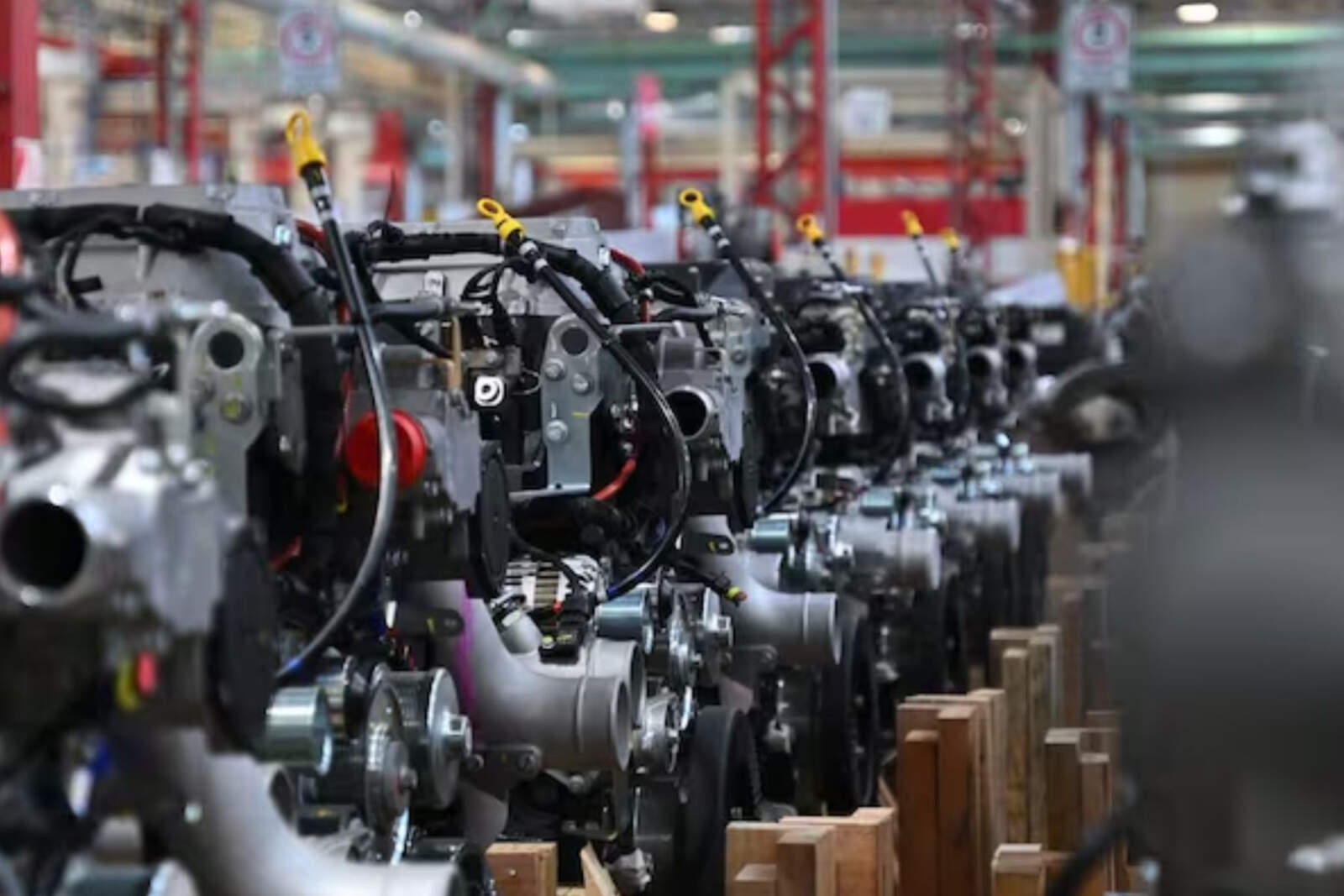
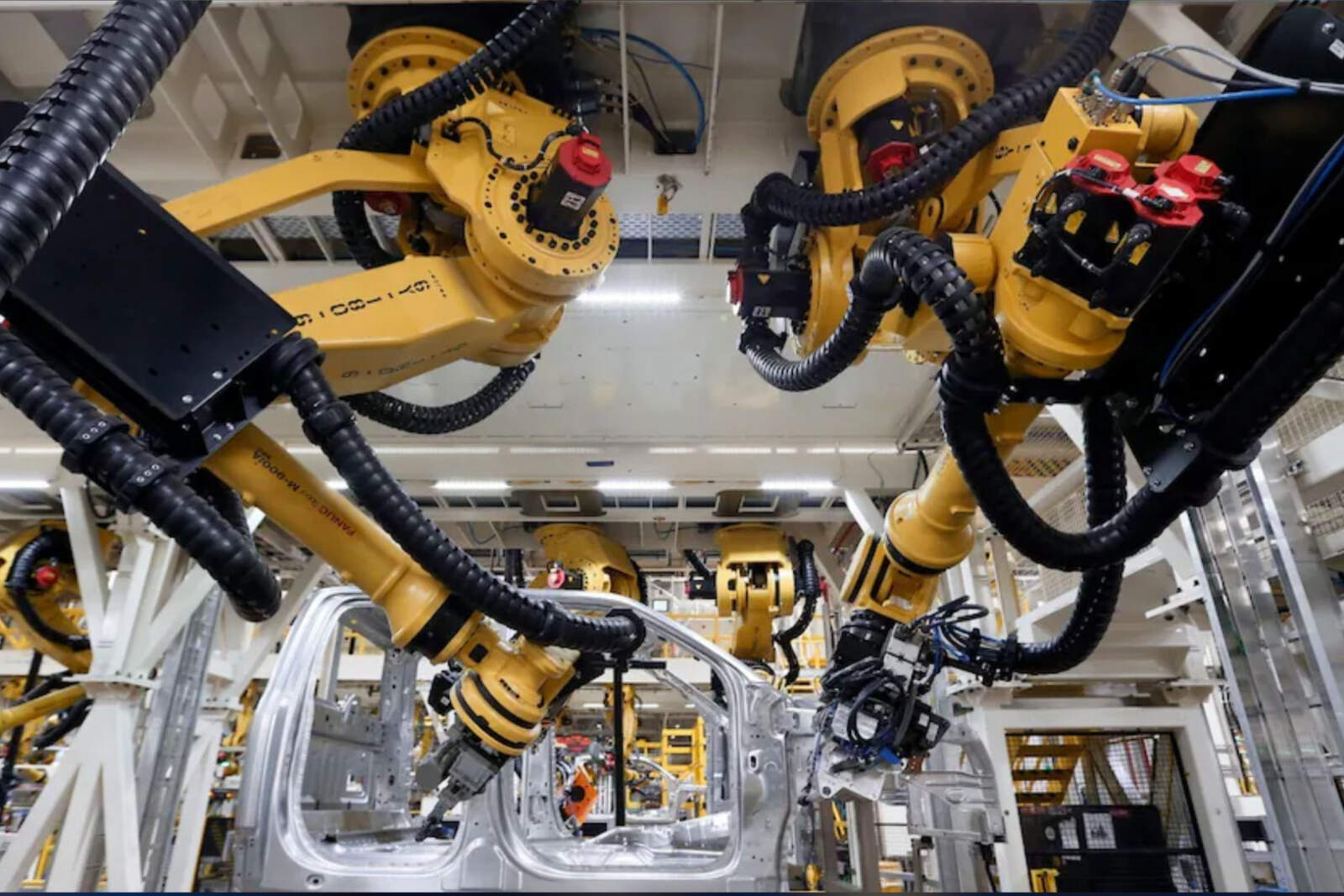
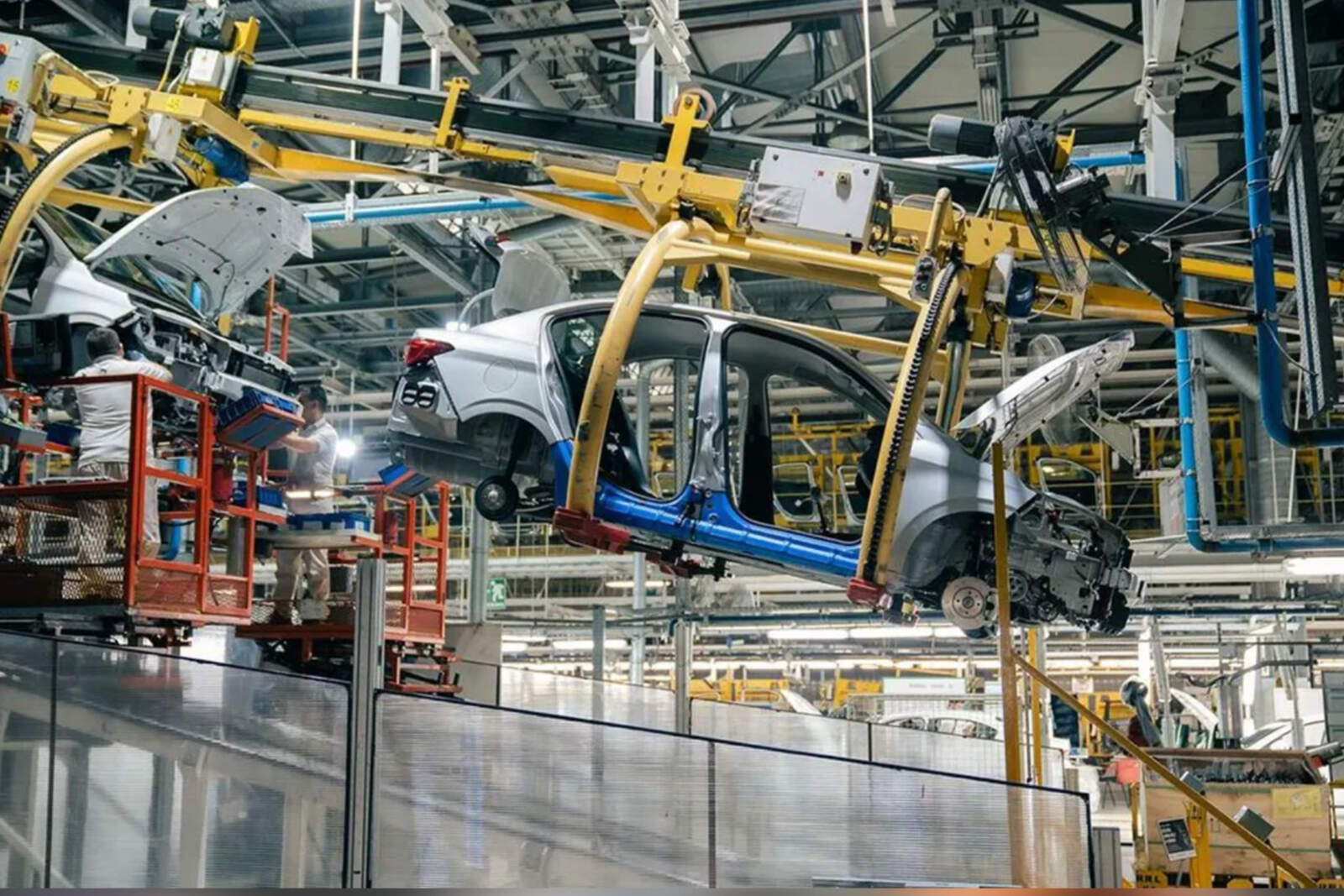
The automotive industry recorded a sharp drop in production and exports in July. 37,112 units were manufactured, 13.4% less than in June. The year-on-year decrease was 16.5%, setting off alarms throughout the sector.
The Association of Automotive Manufacturers (Adefa) indicated that part of the decline is due to the winter recess. Maintenance tasks and reconfiguration of production lines for new investments also play a role. However, the main concern is the loss of competitiveness abroad.
The industry acknowledges the tax relief measures promoted by the national government. Deregulation, the end of currency controls, and lower taxes are already showing a positive impact. However, the effort is not being matched by provinces and municipalities.
Se fabricaron 37.112 unidades, un 13,4% menos que en junio.
Business leaders demand tax relief and fewer obstacles to produce and export from Córdoba
In Córdoba, industry leaders warn about the impact of municipal rates on costs. Added to this are provincial taxes that increase costs throughout the entire supply chain. The combination of both factors leaves the industry at a clear regional disadvantage.
Local tax pressure drives away investments that could take advantage of the new national scenario. Adefa insists that real conditions are needed to compete. They call for a tax policy aligned with the objectives of the national economic model.
Adefa emphasized that the problem is structural and requires political commitment at all levels. The organization called for a joint agenda among the Nation, provinces, and municipalities. They seek to eliminate bureaucratic and tax obstacles that prevent growth.
Las automotrices remarcan que el modelo impositivo actual de provincias y municipios impide el desarrollo industrial.
Exports decline and concern grows over loss of strategic markets
In July, 18,225 vehicles were exported, a 19.9% drop compared to June. Compared to July 2024, the decrease was 35.7%. The direct impact is felt in Córdoba, where several plants supply regional markets.
In the year-to-date, exports fell by 4.7%. Brazil, Mexico, and Uruguay reduced their demand for Argentine units. Meanwhile, slight increases were observed toward Peru, Chile, and Venezuela.
The industry views with concern the growing international competition. Other countries are reaching trade agreements and receiving tax relief. Meanwhile, in Argentina, provinces and municipalities maintain burdens that penalize producers.
Desde la Asociación de Fábricas de Automotores (Adefa) señalaron que parte de la merma se debe al receso invernal.
The private sector calls on provinces and municipalities for real conditions to invest and grow
Automakers emphasize that the current tax model of provinces and municipalities prevents industrial development. They call for progress on reforms that would free up private activity. The key is to create an environment favorable to work and investment.
Part of this issue will be discussed at the Automotive Industry Forum (Fiac) in Córdoba. The event will bring together business leaders and officials starting August 7. The demand for lower taxes is expected to take center stage on the agenda.
Adefa president, Martín Zuppi, highlighted that "it's time to also involve provinces and municipalities." He stated that the national government is showing openness, but coordination is needed. The sector needs clear signals to plan for the long term.
The demand from Córdoba's automotive sector is clear: fewer taxes, fewer obstacles, and more freedom to grow. With clear rules and less tax pressure, Argentina can once again lead in production and exports.
Pero el esfuerzo no está siendo acompañado por provincias y municipios.