



These are absurd positions, meaningless or with any real practical value that contributes to improving the lives of Córdoba's citizens in any real way.

The pro-Kirchnerist mayor spends millions of pesos on municipal offices with no real practical use






These are absurd positions, meaningless or with any real practical value that contributes to improving the lives of Córdoba's citizens in any real way.
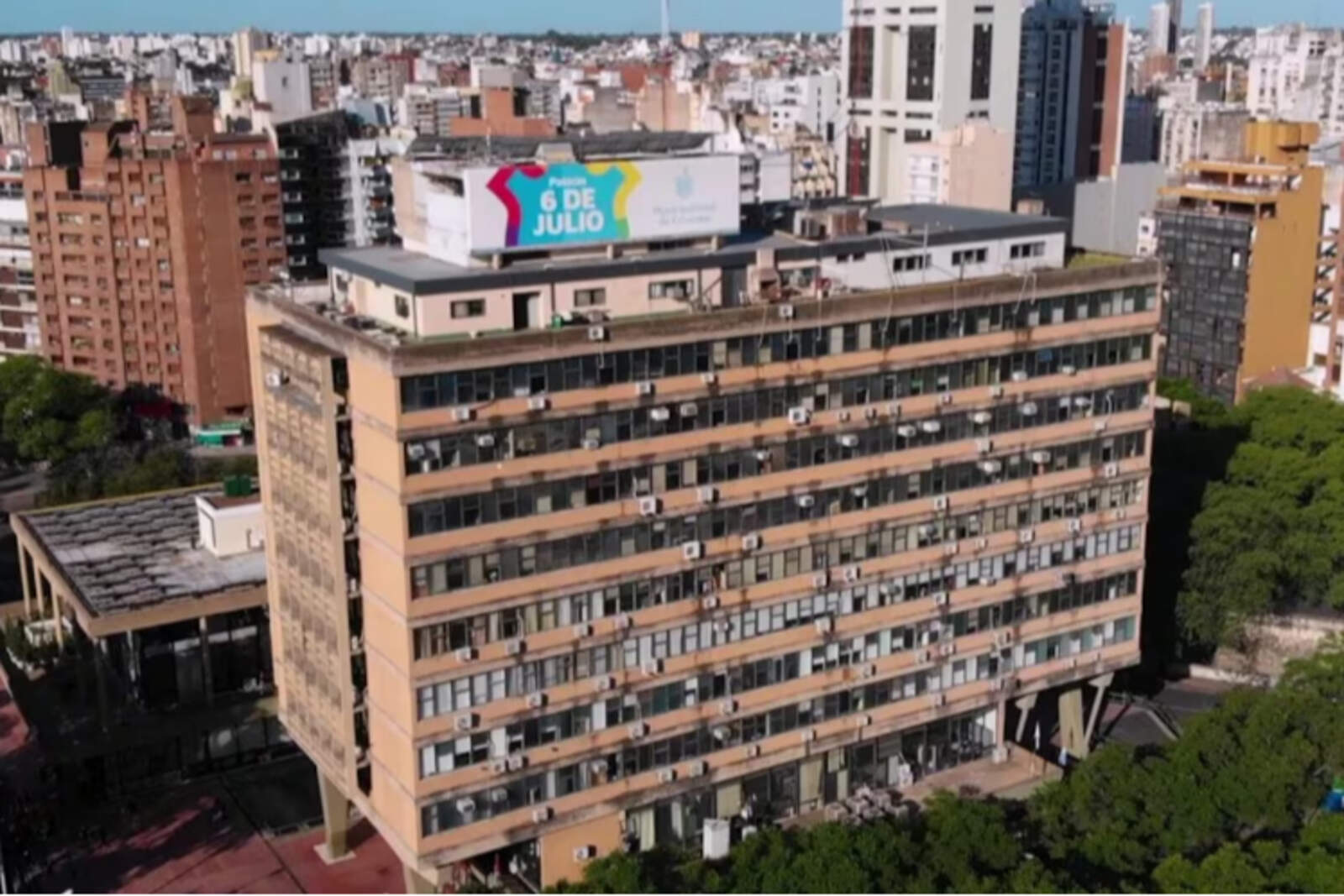
In this regard, just to cite a few examples of municipal offices with no practical use, the Palacio 6 de Julio has:
And a long etcetera that would embarrass anyone who doesn't intend to live off others' pockets. Unnecessary expenses that highlight Passerini's lack of protection for taxpayers' money.
In many cases, the list of officials shows the repetition and overlap of positions, posts, and functions among the different areas of the municipal government.
This demonstrates Passerini's lack of responsibility in making efficient use of public spending. It also reflects the total carelessness with which the mayor defrauds Córdoba's citizens by duplicating positions that already exist in the municipal administration.
Until last year, Passerini maintained that Javier Milei "doesn't have an economic or development plan." However, reality itself proved this premise wrong.
Perhaps it is time for the pro-Kirchnerist mayor to start considering changing his spendthrift model before Córdoba's electorate puts an end to his political career.
In times of fiscal austerity, increased control over public spending, and adjustments to the accounts of administrations, some officials still seem not to have understood these new guidelines.
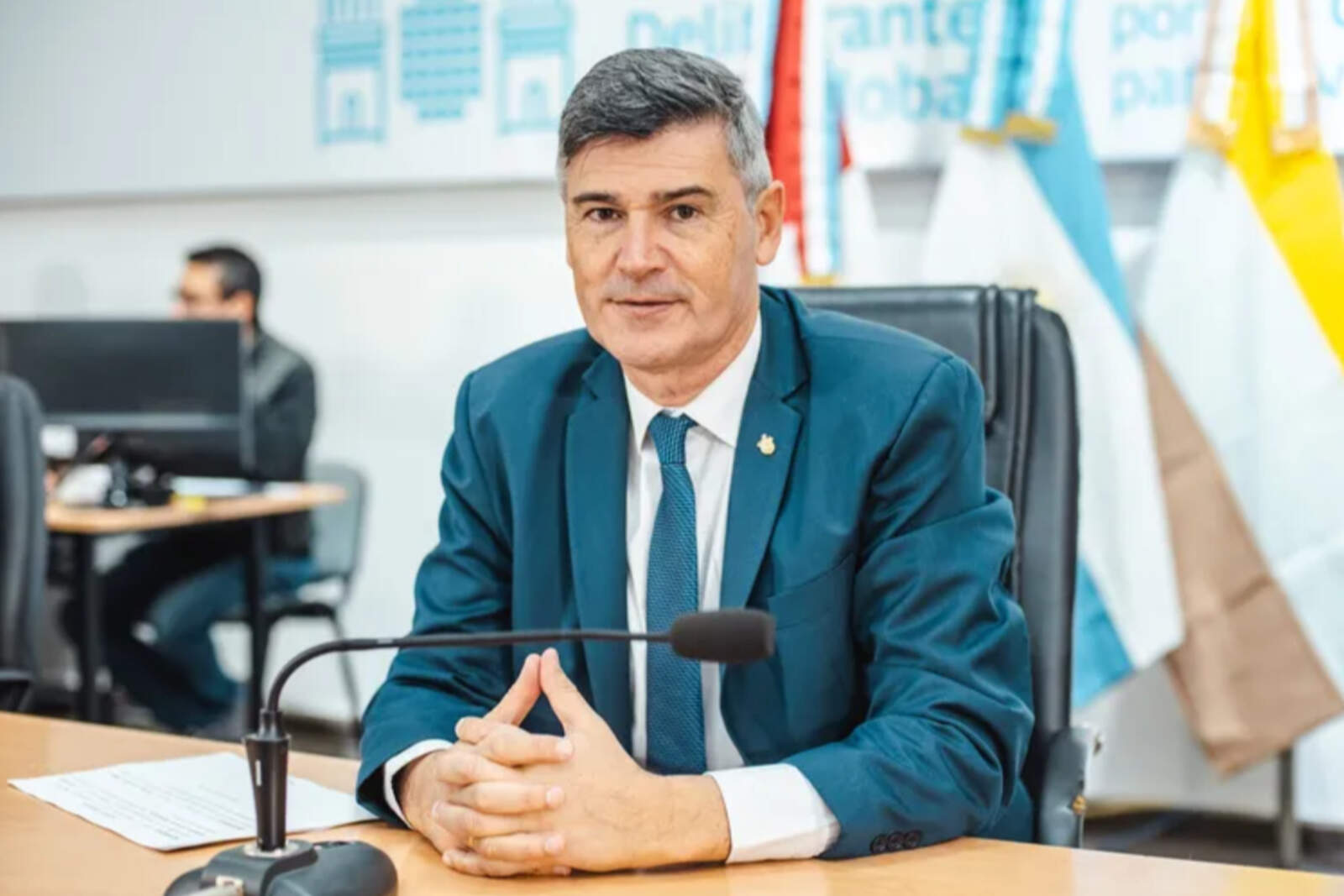
This is the case of the mayor of Córdoba, the pro-Kirchnerist Daniel Passerini, former deputy mayor of the country's largest city during the Llaryora administration. His worrying addiction to excessive public spending is evident in the promotion (and subsequent approval) of a municipal mega-structure.
The City Council approved a new scheme for the municipality, which is unnecessarily oversized: it will have 10 secretariats; 1 Legal Advisory Office with the rank of secretariat; 1 General Administration of Administrative Justice with the same rank; 43 sub-secretariats; 247 directorates; 92 sub-directorates; 2 senior offices and 1 institute.
"Do we really normalize that Córdoba needs 388 political officials to function? One official for every 25 employees?" asked the Radical councilor Elisa Caffaratti. In this regard, Caffaratti was clearly against this new scheme.
In this same regard, the councilor expressed her opposition to Passerini: "He talks about 399 officials, but he doesn't count those who are hidden in municipal entities and companies. Only in BioCórdoba and the Agency for Control and Oversight, there are 76 political officials."
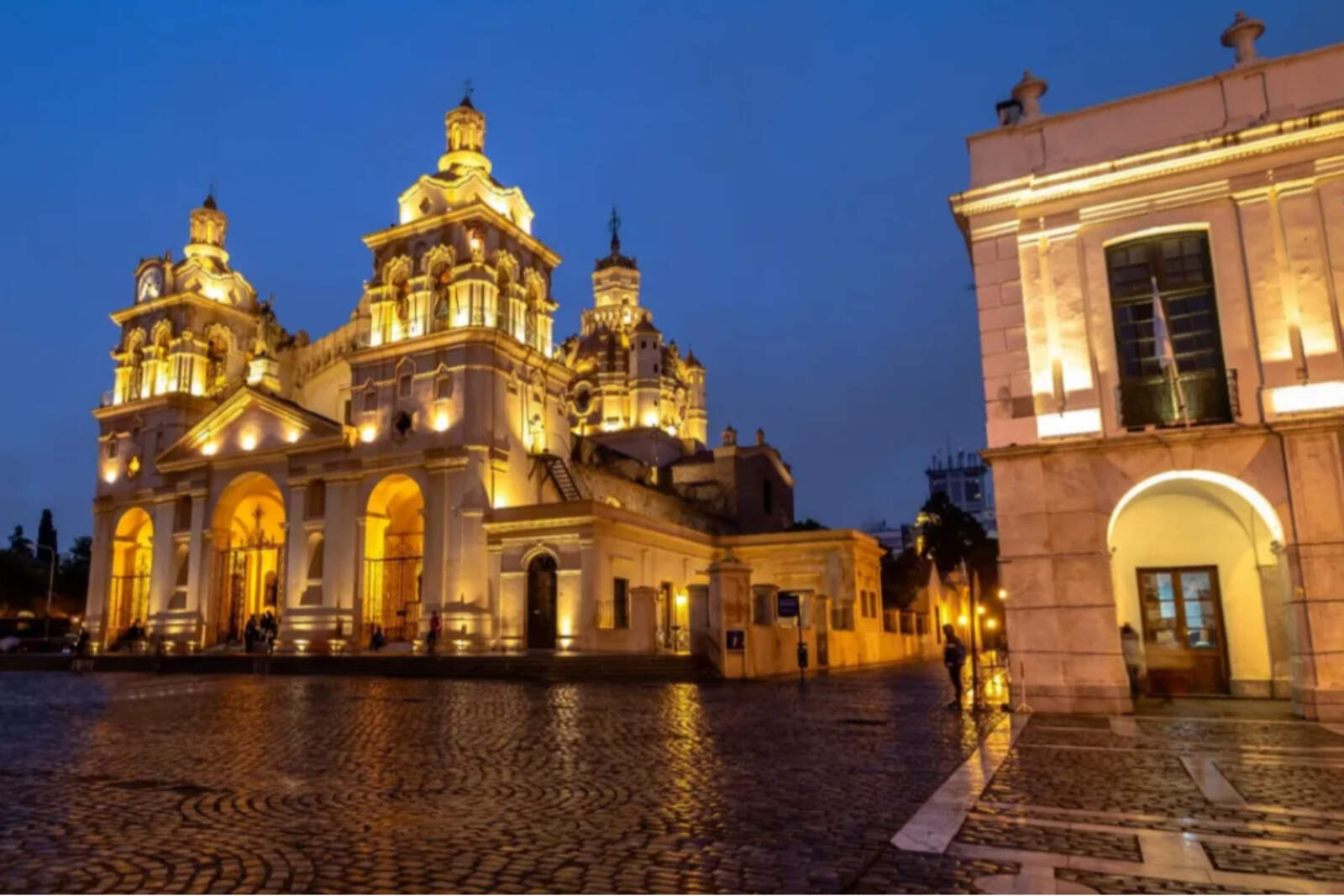
Through the municipal transparency website, it is possible to verify the colossal structure (positions plus officials) that currently makes up the municipality of Córdoba.
The list of officials, updated as of May 2025, consists of the exorbitant figure of 400 different municipal authorities. They are responsible for carrying out various tasks according to the area, along with all their respective subordinates.