The operation at the Red Cross reignites questions about the fate of resources paid by local taxpayers
Compartir:
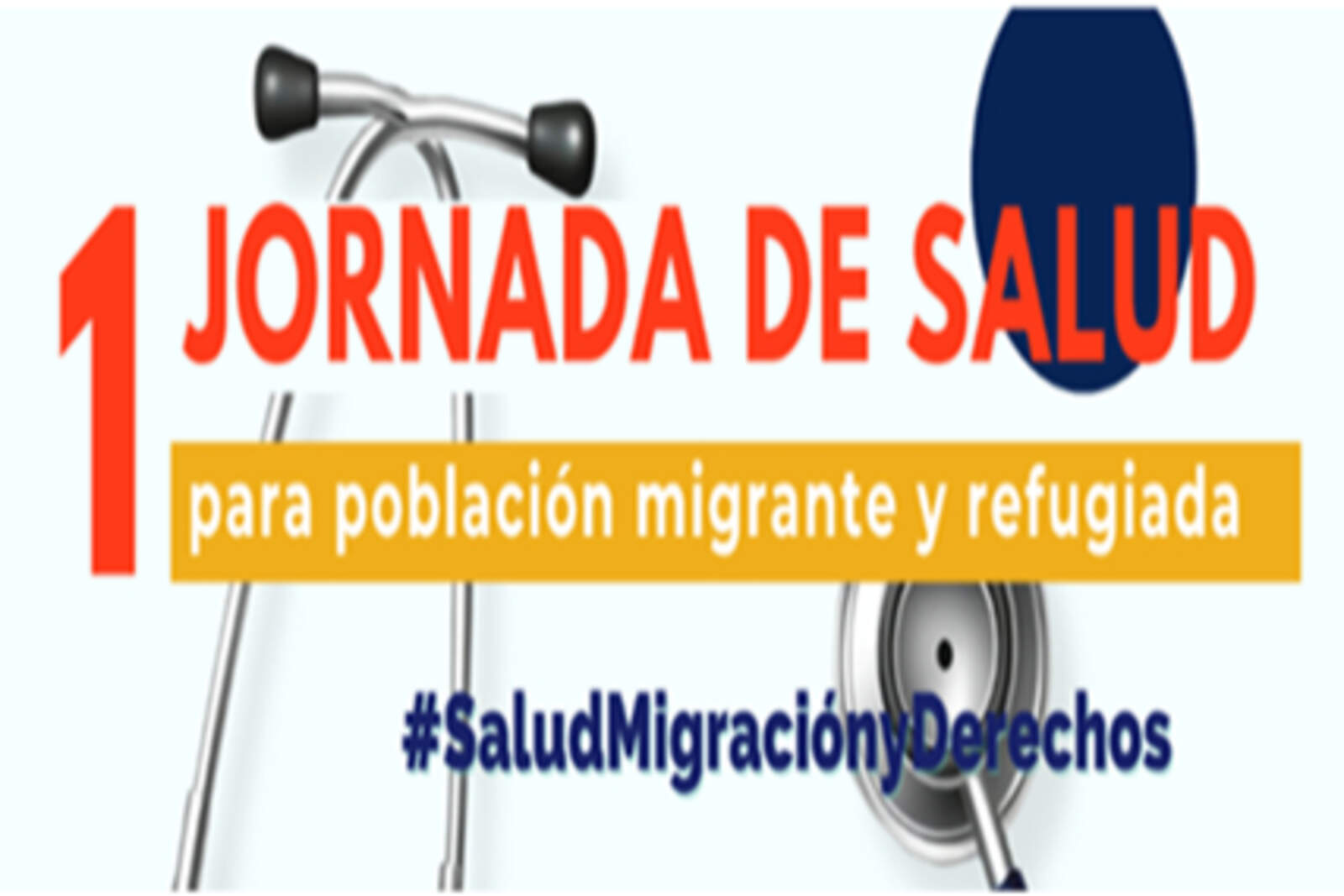
The Municipality will hold a healthcare event aimed at migrants and refugees, which will take place on Saturday from 10:00 to 14:00 at the Red Cross headquarters in the Alberdi neighborhood. The activity is announced as free, although it depends on local taxes that should be allocated to infrastructure, security, and basic services for taxpayers. The operation reopens the debate about the use of public resources for services directed at people who do not contribute to the municipal tax system.
The event aims to provide medical services and institutional guidance, but it fails to address why these programs are not first directed to Córdoba families who face delays and saturated appointment schedules. The initiative highlights how municipal spending expands toward actions that do not solve central problems such as urban deterioration and failures in the public health system. The political decision exposes the trend of funding parallel activities while local demands continue to accumulate without clear responses.
The organizers include the Jesuit Service for Migrants, the Red Cross, ASOMEVENAR, and the Association of Venezuelans, generating a costly operation funded by the municipality. During the event, there will be consultations in pediatrics, gynecology, and general medicine, services that currently face long waits for residents who do support the city's revenue. The chosen approach ignores that nothing is truly free and that every service comes from the tax effort of those who live and work in Córdoba.
La Cruz Roja será uno de los organizadores
The operation incorporates services that deepen the fiscal debate
The Municipality will add its dental mobile unit for check-ups and referrals, even though numerous public schools lack basic supplies to guarantee primary care for children. The presence of the mobile unit reflects a discretionary use of resources that should prioritize the quality of the existing health system before expanding programs to populations that do not pay taxes in the district. The educational material to be distributed also comes from municipal funds that could have been allocated to prevention campaigns for neighborhoods with a history of health deficits.
The Migrant Assistance Center will set up a booth for digital procedures, a service funded by residents even though that demand doesn't come from local taxpayers. The creation of these spaces during a special event deepens the trend of creating parallel offices without evaluating their impact on the local administrative structure. The digital assistance offered once again sidelines those who do finance the expansion of the municipal platform with their taxes.
The operation will also include the Red Cross's Family Reunification Program, while all participating organizations will offer legal and community counseling using public support resources. Medical care will be provided with appointments obtained through a digital form, which demonstrates that there is operational capacity to manage more efficient systems that are rarely applied for local residents. The final result is an event that prioritizes external groups over the city's urgent needs, reinforcing questions about the allocation of funds that should return to Córdoba taxpayers.