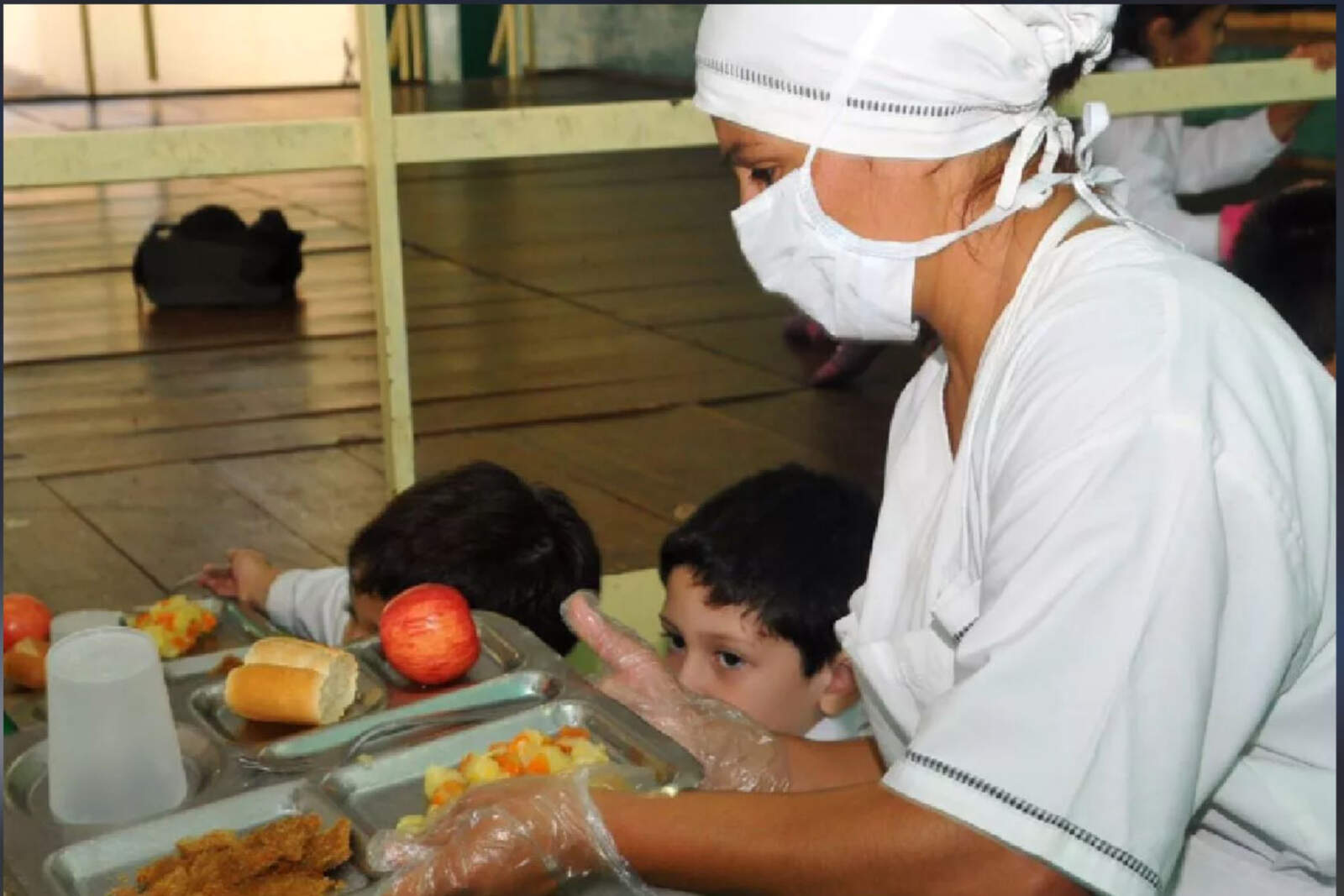
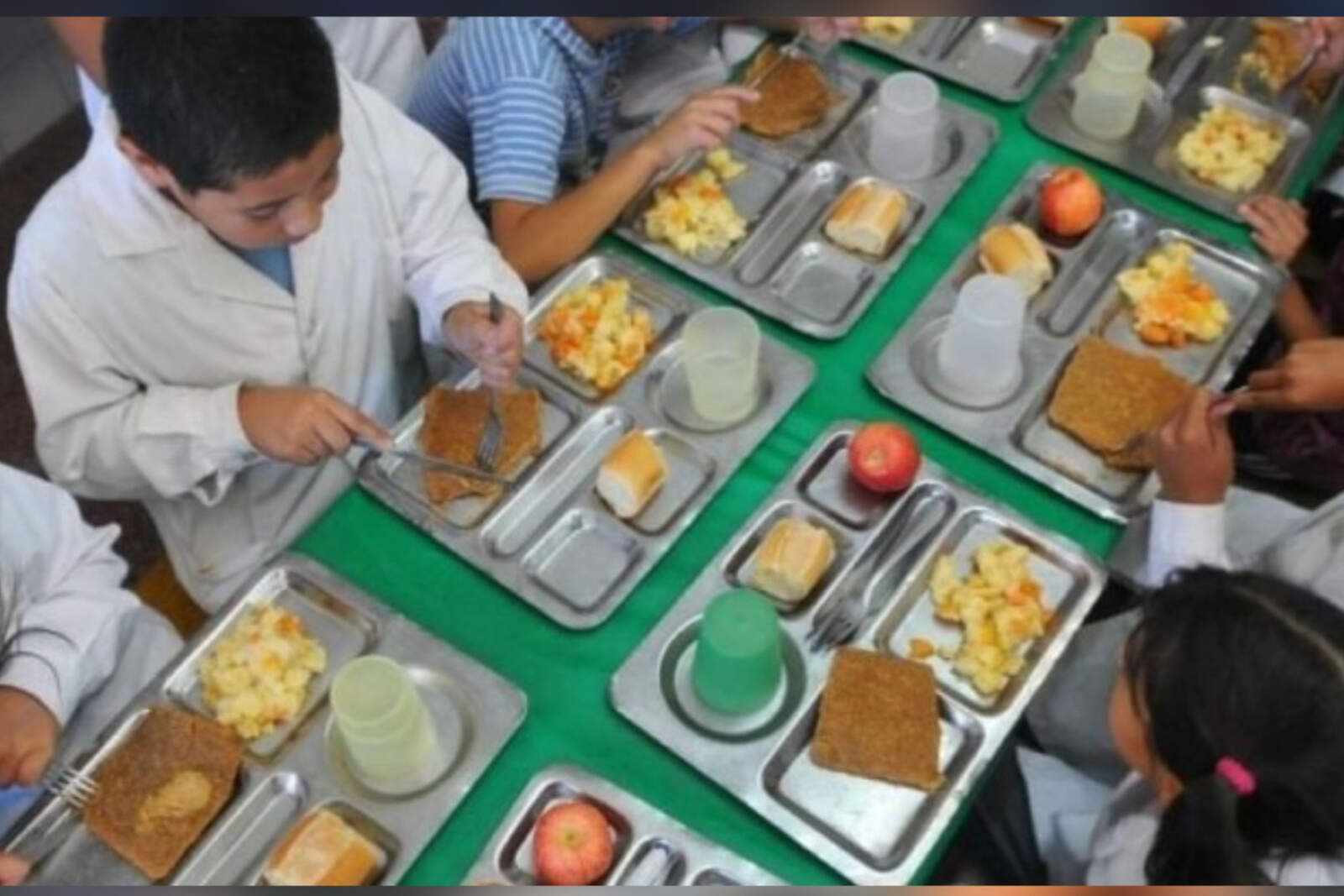
The radical initiative proposes banning junk food and requiring menus with at least 30% fresh local products in schools. The regulation seeks to replicate the Healthy Eating Promotion Law, known as Front-of-Package Labeling, which is in force but with recent modifications. However, those reforms relaxed the octagons and reduced information for consumers.
The national government modified the implementation manual in December 2024, limiting the labels only to added nutrients and removing warnings for natural components. This allowed the industry to remove octagons without changing the actual product, according to nutritionists. What was a tool for citizen information became a window of flexibility in favor of manufacturers.
The Cordoban promoters seem to ignore that setback and are betting on a model that has already been weakened at the national level. Front-of-package labeling remains active as national law (Law 27,642), but its implementation is eroded by ANMAT provisions 11362/2024 and 11378/2024. Experts warn that the national measure limits information and favors misleading marketing.
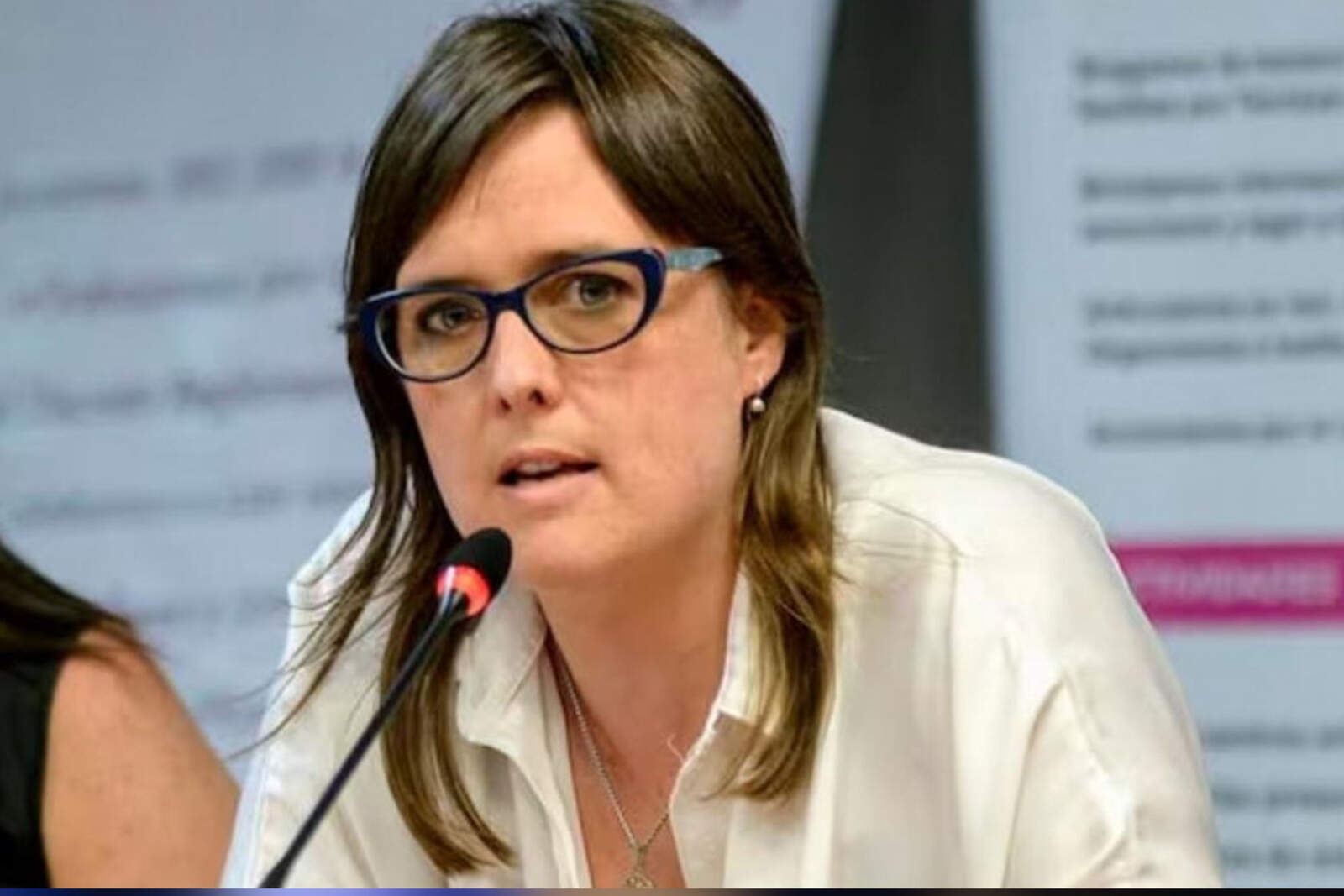
El proyecto fue presentado por la legisladora de la UCR, Brenda Austin.
Copy of a failed model
Although the stated goal is to prevent childhood obesity, the scheme copies a model with structural flaws. Banning products and controlling menus through regulation reinforces the statist logic that we reject.
There is no proposal for a fiscal indicator, financial cost, or financing plan for schools or suppliers. The model doesn't consider cultural diversity or family autonomy over eating habits. What is presented as public health may become an ideological imposition from state agencies.
It is evident that, without a robust national framework, a flexible model allows the industry to circumvent warnings. Without transparency, the public loses access to real information about ultra-processed products. The risk is a paternalistic Cordoban approach that imposes regulation without evidence of real effectiveness.
El proyecto es un apéndice del modelo nacional ya debilitado, sin autocrítica ni análisis propio.
Pure Kirchnerism
The project is an appendix of the already weakened national model, without self-criticism or its own analysis. It lacks real consultation with parents, independent nutritionists, or private schools. Under the idea of healthy nutrition, an inquisitorial model is making its way into school cafeterias.
By promoting environments free of foods with labels, a regulatory agenda is imposed that increases state regulatory power. It is not specified how controls will be implemented or what sanctions will be applied to suppliers or institutions. There is little clarity about how this regulation will be made compatible with the real diversity of educational communities.
It is contradictory that a model presented as Cordoban is based on dismantled national Kirchnerist regulations. Instead of promoting education in habits, a punitive and centralizing scheme is proposed. The proposal threatens to become a new source of litigation and conflict among the State, families, and suppliers.