The Iranian regime intensified its threats against the Director General of the International Atomic Energy Agency (IAEA), Rafael Grossi, after the official demanded that Tehran restore cooperation with international inspectors and allow verification of the status of its nuclear program. The intimidation, launched by an advisor to the Revolutionary Guard, deepened the confrontation between Iranian authorities and the United Nations agency, which has been unable to access fundamental atomic facilities and materials for months.
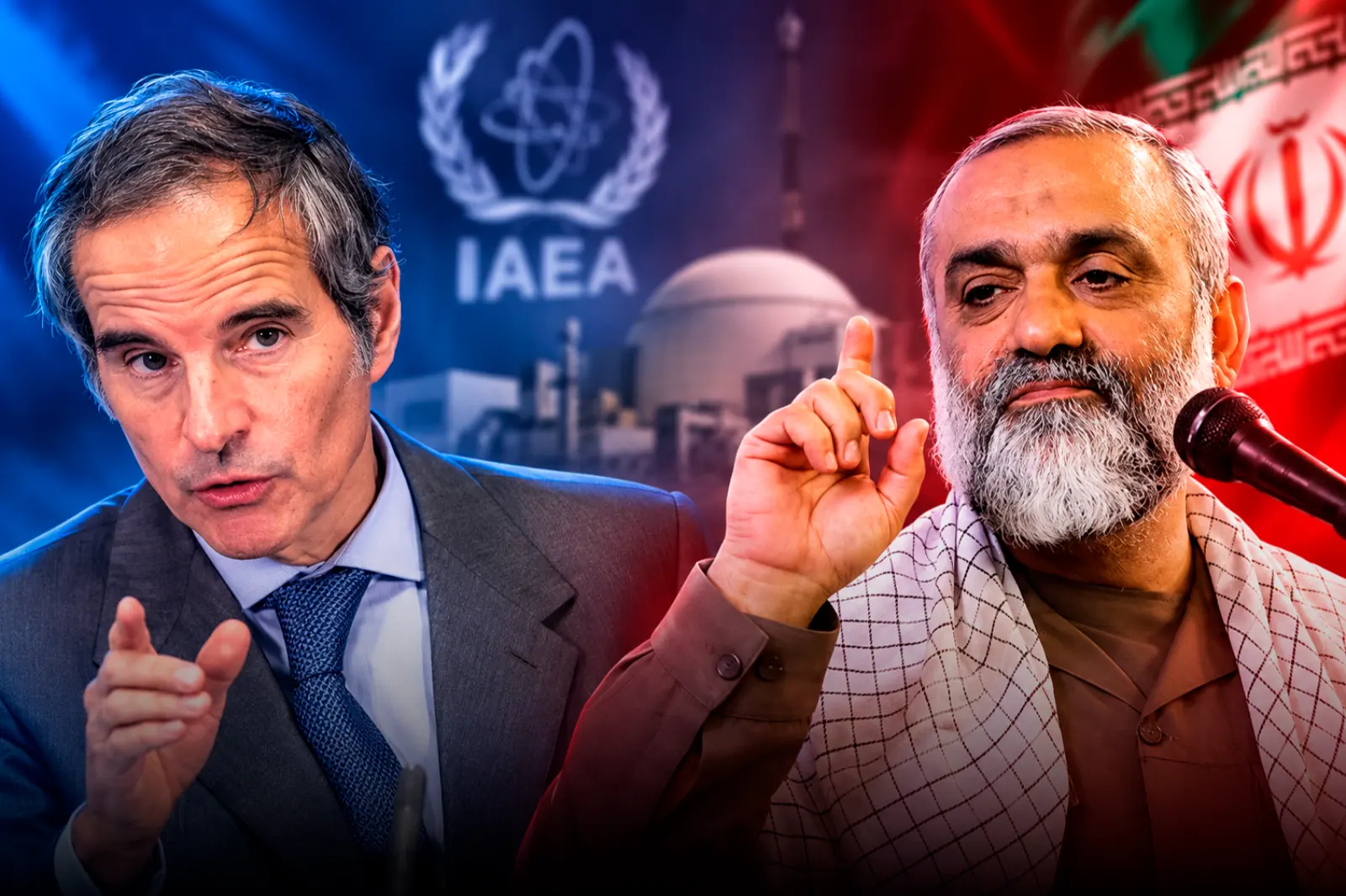
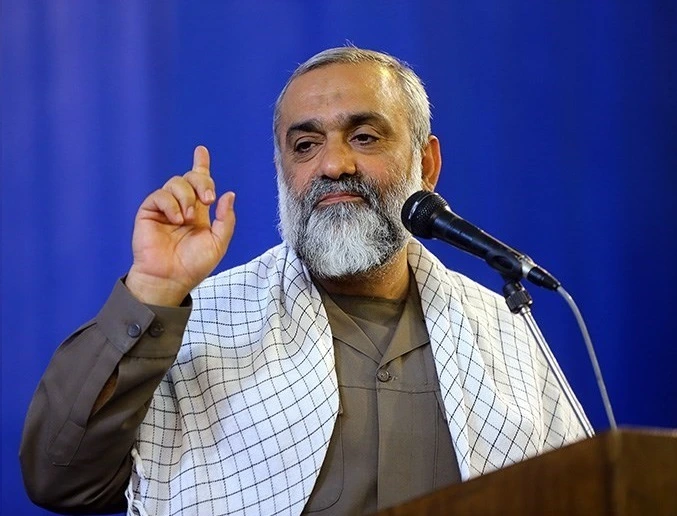
Mohammad Reza Naghdi, advisor to the commander of the Iranian Revolutionary Guard, publicly threatened Grossi this Saturday and accused him of favoring Israel's interests. ''He will receive what he deserves,'' warned the leader, without specifying what reprisals the head of the international organization might face.
Naghdi went further and directly questioned the legitimacy of the Argentine official by stating that the IAEA Director General ''is Israeli and is not subject to any law or regulation.'' His statements represent a new display of the regime's hostility towards international oversight and accountability mechanisms regarding its nuclear activities.
The Iranian regime threatened the director general of the IAEA for demanding thorough investigations into its nuclear project
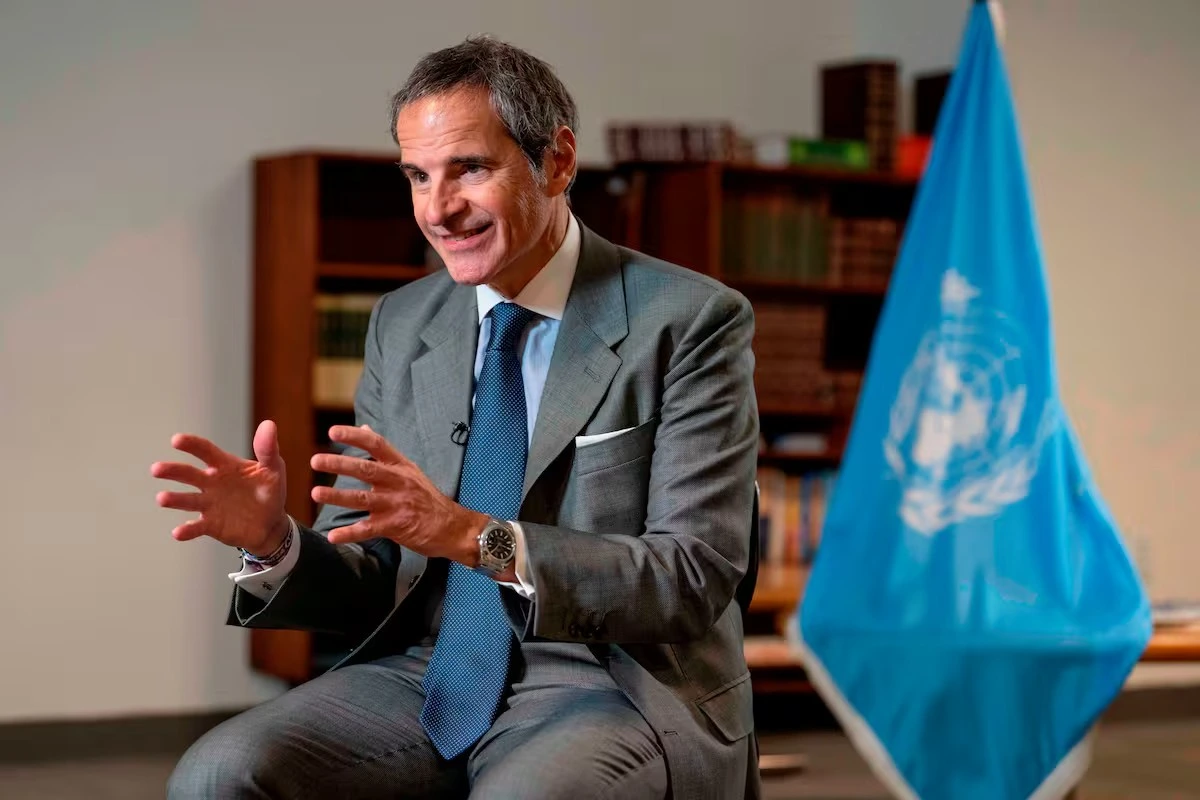
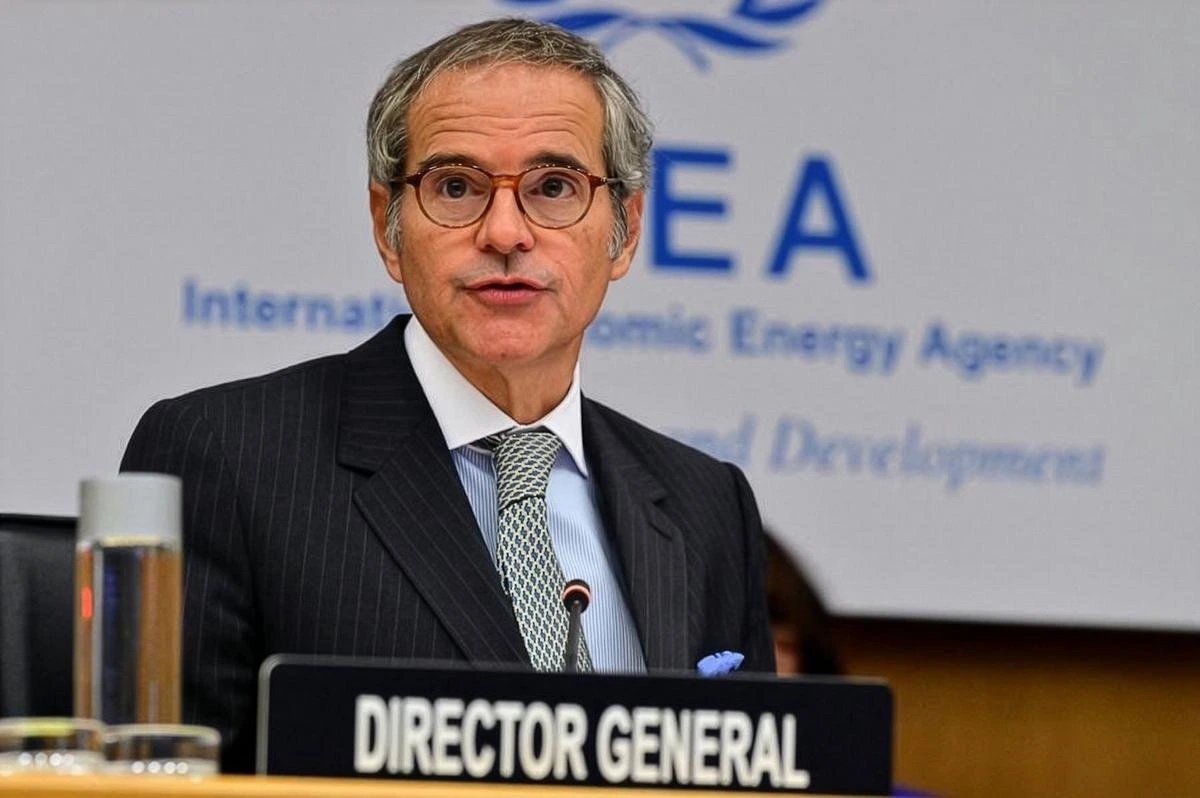
The threat came just days after Grossi publicly denounced Iran's insufficient cooperation. During a press conference in Vienna, as part of the quarterly meeting of the agency's Board of Governors, the official demanded that Tehran allow inspectors to enter again and provide verifiable information about its facilities.
''We are not obtaining cooperation from Iran. The cooperation is not as it should be,'' stated Rafael Grossi, who is also a candidate for the position of Secretary-General of the United Nations for the 2027-2031 term.
The IAEA Director explained that the lack of access prevents confirmation that Iran's nuclear activities are exclusively for peaceful purposes, as the regime itself claims. In that sense, he warned that the prolonged absence of information constitutes a problem for both the international community and Iran itself, which cannot provide sufficient guarantees regarding the transparency of its program.
''We need to return to Iran. This situation of so many months without information about the nuclear program is not good for either the United States or Iran,'' he stated.
An Iranian Revolutionary Guard commander assured that the official “will receive what he deserves”
The whereabouts of 440 kilograms of enriched uranium
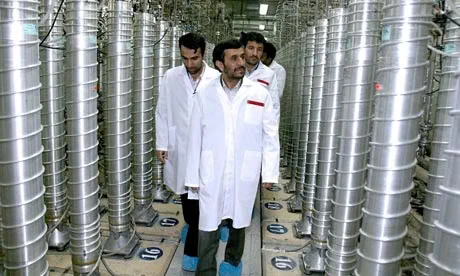
One of the main concerns of the agency is the inability to verify what happened to the reserves of highly enriched uranium that were under supervision before the attacks in June 2025.
Grossi recalled that Iran then had approximately 440 kilograms of enriched uranium, a significant amount of nuclear material whose current status the agency could not determine.
''We cannot say where it is, what happened to it, or confirm what the real situation is,'' warned the official. He also insisted that inspectors need to return to the country and examine the facilities to reconstruct the state of Iran's nuclear activities.
The United Nations agency decided to know the whereabouts of more than 400 kilos of enriched uranium corresponding to the regime's reserves
The lack of information represents a particularly delicate obstacle for international oversight, as it prevents certainty about which facilities remain operational, what materials are still available, and whether the regime is fulfilling its non-proliferation commitments.
Despite the agency's repeated demands, Tehran continues to fail to provide the necessary conditions for regaining full oversight. Instead of responding with greater transparency, sectors of the Iranian security apparatus resorted to personal accusations and threats against the official responsible for verifying their international commitments.
Grossi also questioned the proposals emerging from within Iran to abandon the Treaty on the Non-Proliferation of Nuclear Weapons (NPT). In his view, withdrawing from the agreement would not be a wise decision and would only deepen the country's isolation.
Grossi fiercely questioned proposals for Tehran to abandon the Treaty on the Non-Proliferation of Nuclear Weapons
Tehran accuses the IAEA of applying double standards
The confrontation was also reflected in the discussion about Israel, which is not part of the NPT. Grossi explained that there are legal differences between the countries that are part of the treaty and those that remain outside it, which is why he considered it incorrect to automatically speak of a double standard in international oversight.
The official clarified that this position does not mean he does not wish for Israel to join the agreement and subject its facilities to the corresponding international mechanisms.
''It does not mean that I wouldn't like Israel and all the countries in the world to join the NPT,'' he expressed.
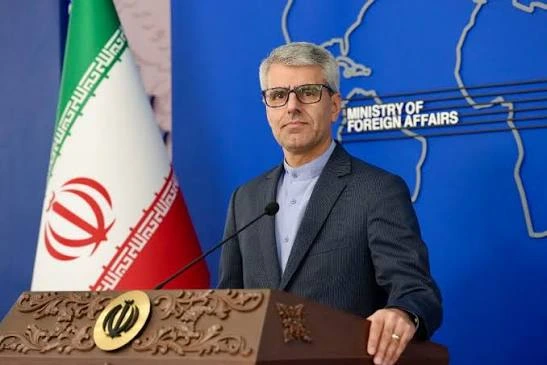
However, the spokesperson for Iranian diplomacy, Esmaeil Baqaei, rejected his explanations and accused the agency of confusing the legal status of countries with their institutional responsibilities. Tehran demanded that Israel adhere to the treaty and accept international inspections.
Baqaei also questioned the differences in the language used to refer to both countries and argued that Rafael Grossi's statements evidenced an alleged unequal treatment.
The Iranian regime assures that there is a double rod in the UN discourse and demands that Israel submit to scrutiny by the international organization
However, the Iranian accusations do not resolve the central issue raised by the IAEA: the regime must allow inspectors to verify its facilities and determine what happened to the nuclear material that remains unaccounted for.
The pressure on Rafael Grossi and the threats from the Revolutionary Guard contrast with Tehran's obligation to provide verifiable guarantees regarding its atomic activities. While Iranian authorities denounce alleged international prejudices, they continue to fail to provide the cooperation that would clear doubts about their nuclear program.