The Supreme Court of Justice of the Nation decided to move forward with the oral and public trial against leaders of the Sindicato de Camioneros for the blockade of the company Química Oeste, which took place in May 2021.
The ruling of the highest court overturned previous decisions by the Buenos Aires justice system that had dismissed the charges against the accused and upheld the claim of the affected businessman, Carlos Dos Reis. Judges Horacio Rosatti, Carlos Rosenkrantz, and Ricardo Lorenzetti held that the case should continue its judicial process to determine responsibilities.
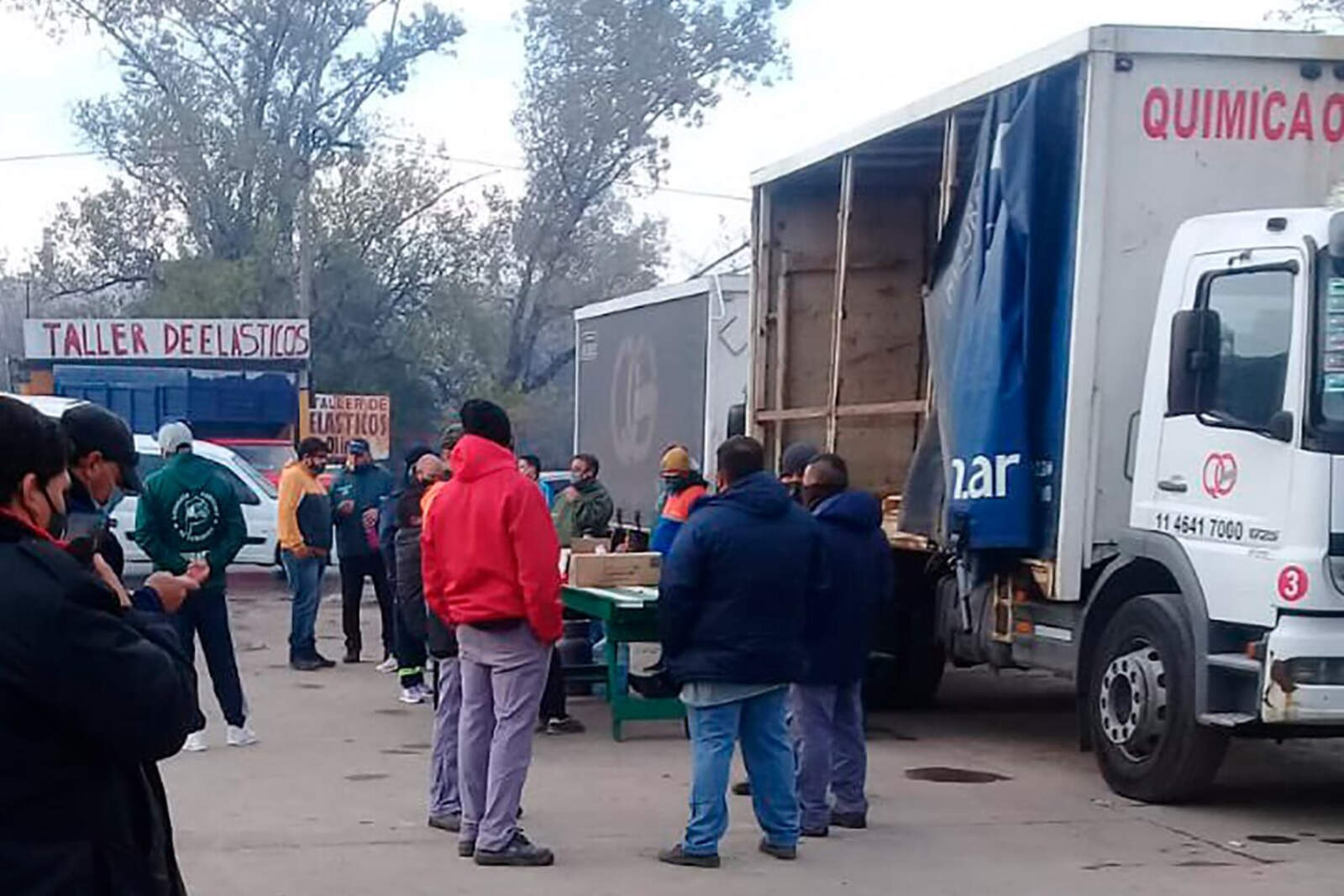
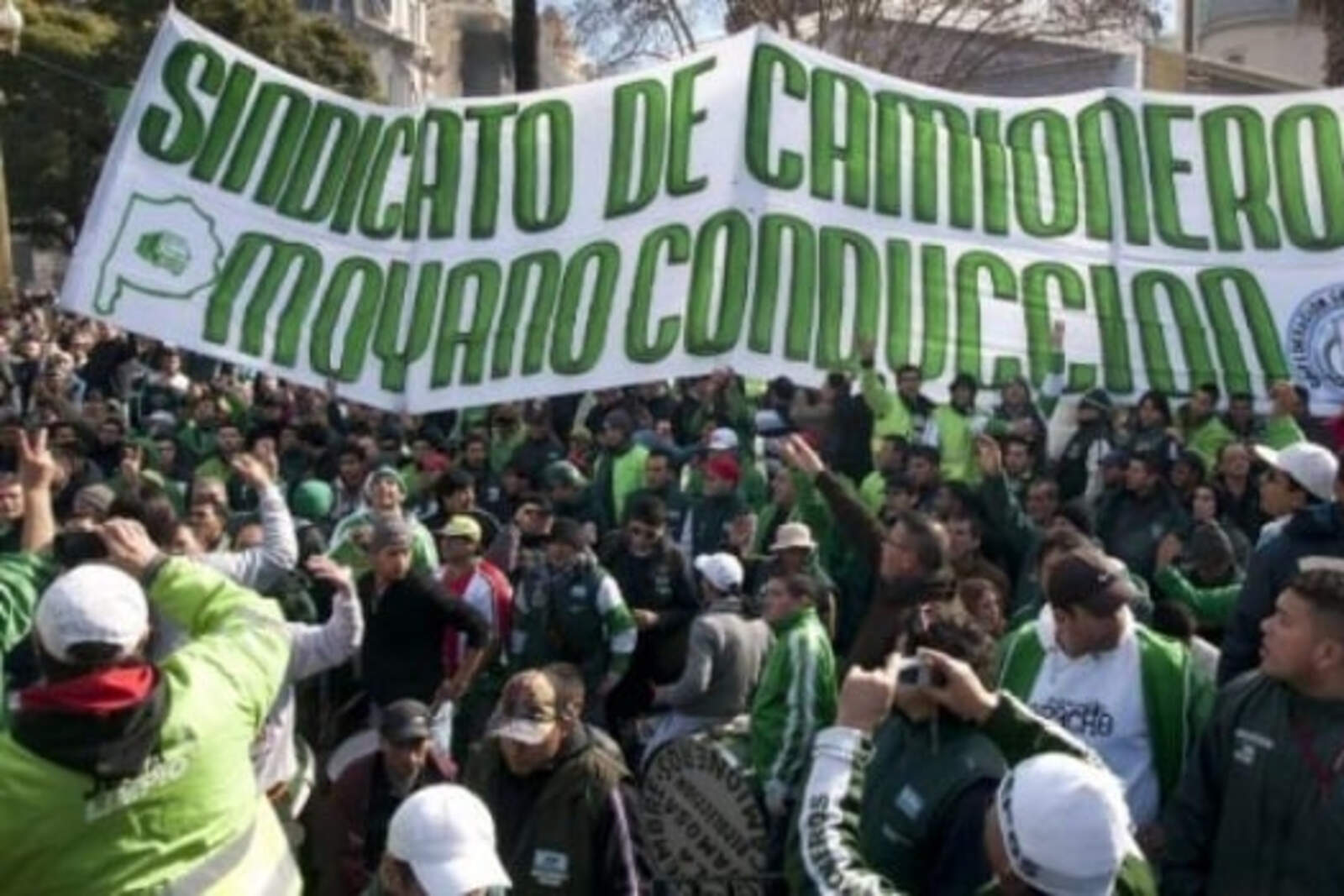
The conflict dates back to May 10, 2021, when a group of people identified with the union appeared at the warehouse of the company located in Monte Grande. According to the owner's complaint, they placed a flag with the inscription"Sindicato de Camioneros Delegación Monte Grande" and prevented the entry and exit of vehicles, stating : "no one leaves here, no one moves here, today you won't work".
Los jueces Horacio Rosatti, Carlos Rosenkrantz y Ricardo Lorenzetti.
As the days went by, the protest intensified and extended until May 18, causing the paralysis of operations and affecting the supply of inputs for the oil sector.
According to the complaint, the blockade caused losses of "several million pesos per day" to Química Oeste and an average of 2 million dollars per day to the oil sector. The criminal complaint was filedagainst Néstor Fabián Arévalo, general secretary of the Monte Grande Delegation, and other members of the union, whom the prosecution accused of violent and threatening behavior with a previously organized plan.
On October 18, 2022, the Court of Guarantees No. 2 of Lomas de Zamora had rejected the request for dismissal and ordered the case to be sent to trial, in line with the position of the Public Prosecutor's Office. However, the defense appealed and succeeded in having Chamber I of the Criminal Appeals and Guarantees Court overturn the decision, ordering the total dismissal of the accused. The court held that there was no evidence of conduct aimed at disturbing possession of the property.
The complaint appealed again, but both the Criminal Cassation Court and the Buenos Aires Supreme Court dismissed the claim, arguing that the grounds of the previous instance had not been refuted.
Imagenes del conflicto del de Mayo de 2021.Faced with this situation, the case was brought by extraordinary appeal to the Supreme Court of the Nation. The complaining businessman argued that there had been "an arbitrary interpretation" of the right to strike, which in practice meant the violation of constitutional rights such as work, lawful activity, and private property.
Finally, the highest court upheld the appeal, referring to the precedent "Uzcátegui Matheus". In that 2016 ruling, the Court had overturned the dismissal of defendants in a case related to the entry of illegal money in the Antonini Wilson case.
This time, the Court held that it was appropriate to continue with the judicial process to determine whether the conduct of the union members exceeded the legal limits of union protest.
With this decision, the Supreme Court reinforces the line of case law that limits the use of blockades as a mechanism of union pressure and places the protection of essential rights of workers, companies, and third parties at the forefront.