






According to reports about the incident that occurred in 2010, the Police were allegedly ordered not to proceed with the eviction to avoid a scandal that could compromise the then socialist government of Zapatero.





The history of privileges of Spanish socialism includes a dark chapter that highlights the double standard of those who have held power in Moncloa. According to sources familiar with the period of José Luis Rodríguez Zapatero, the then President of the Government did not hesitate to instrumentalize the state security forces for strictly personal and family purposes, protecting behaviors that would have resulted in immediate legal consequences for any other citizen.
It was the year 2010 when Zapatero's eldest daughter, who was only 17 years old at the time, decided to leave the presidential complex to settle in Seville. What could have remained a youthful rebellion turned into a state matter when the young woman moved in with her boyfriend in an occupied property. The fact that the daughter of the person responsible for upholding the law in Spain participated in a property usurpation generated absolute panic within the inner circle of the socialist government.
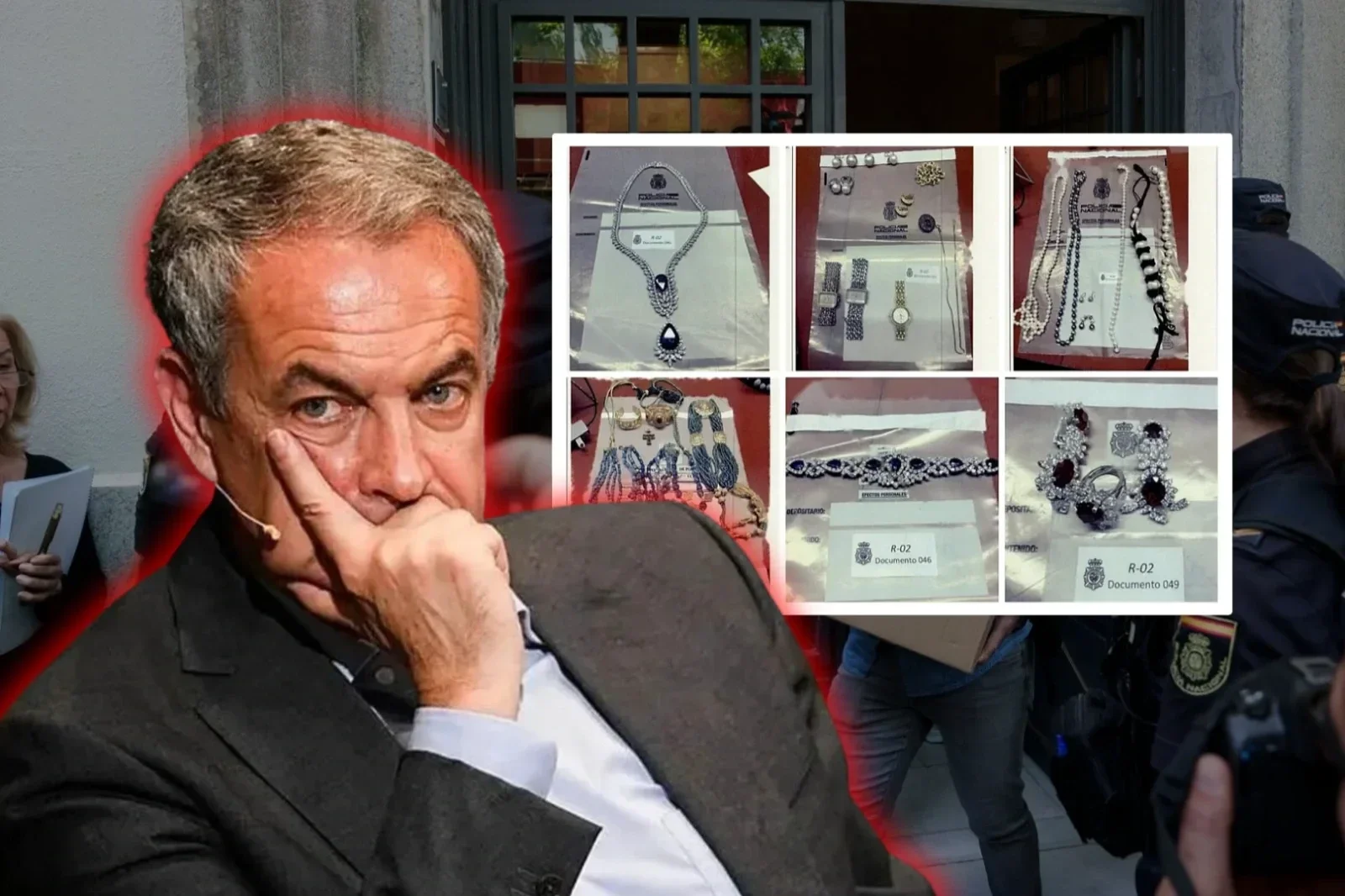
The situation reached a critical point when the legitimate owner of the occupied building filed a formal complaint. However, the arm of justice was curtailed by political power. Although the Police arrived at the property intending to carry out the eviction, the intervention was abruptly aborted. Various sources confirm that the order to refrain from acting came directly from Moncloa, motivated solely by the fear that the incident would reach the press. According to witnesses of that episode, the reason was clear: “They were afraid it would go public”.
This use of institutions to cover up family embarrassments was not an isolated incident, but rather part of a context of permissiveness that ultimately turned against Zapatero himself. Just a year later, in 2011, coinciding with the outbreak of the 15-M Movement, the president's daughters openly sympathized with the protests that paradoxically questioned the management of their own father and the institutional privileges they themselves were enjoying.
Although they were prevented from camping at the Puerta del Sol, the young women staged a "protest" in style by spending the night in the gymnasium of Moncloa, an anecdote recounted by former minister José Bono in his memoirs.

Today, that shadow of impunity extends to even murkier horizons. While these past abuses of power are being revealed, the UDEF is currently investigating the links of Julio Martínez, identified as the alleged frontman for Zapatero, in opaque operations related to gold mines in Venezuela.
The investigations point to strategic projects such as Minerven, the marketing of “Amarillo” (a term that the police link to Venezuelan gold) and contacts with the so-called “from the desert” in the United Arab Emirates.
Even the former head of Chavista intelligence, Hugo “El Pollo” Carvajal, has stated before the National Court that Zapatero would own a gold mine in the Caribbean country.
From the protection of an occupying daughter in Seville to the dark plots of gold in Venezuela, the legacy of socialism continues to demonstrate that, for its leaders, state institutions are nothing more than tools for their personal benefit and the protection of their own caste.