A Roman tablet discovered in the Netherlands was deciphered by researchers from Heidelberg University. The findprovides new information about the expansion of magical practices in the Roman Empire during the 2nd century.
The inscription is written in ancient Greek and was found in Heerlen, an ancient Roman military settlement. Specialists consider it an exceptional piece for northern Europe.
A Roman curse tablet discovered in the Netherlands
What the researchers discovered on the Roman tablet
The Roman tablet was found during archaeological excavations in Heerlen, in the Netherlands. The site corresponds to the ancient Roman settlement of Coriovallum, located in the province of Lower Germania.
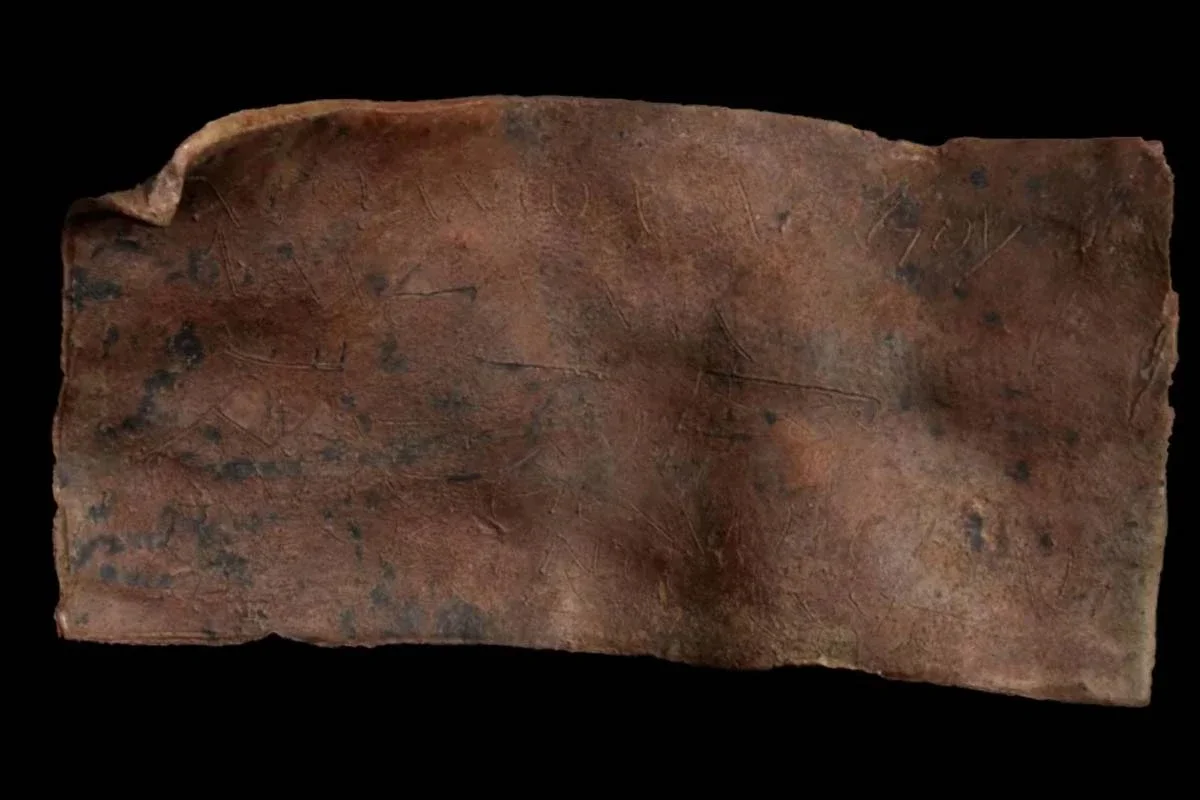
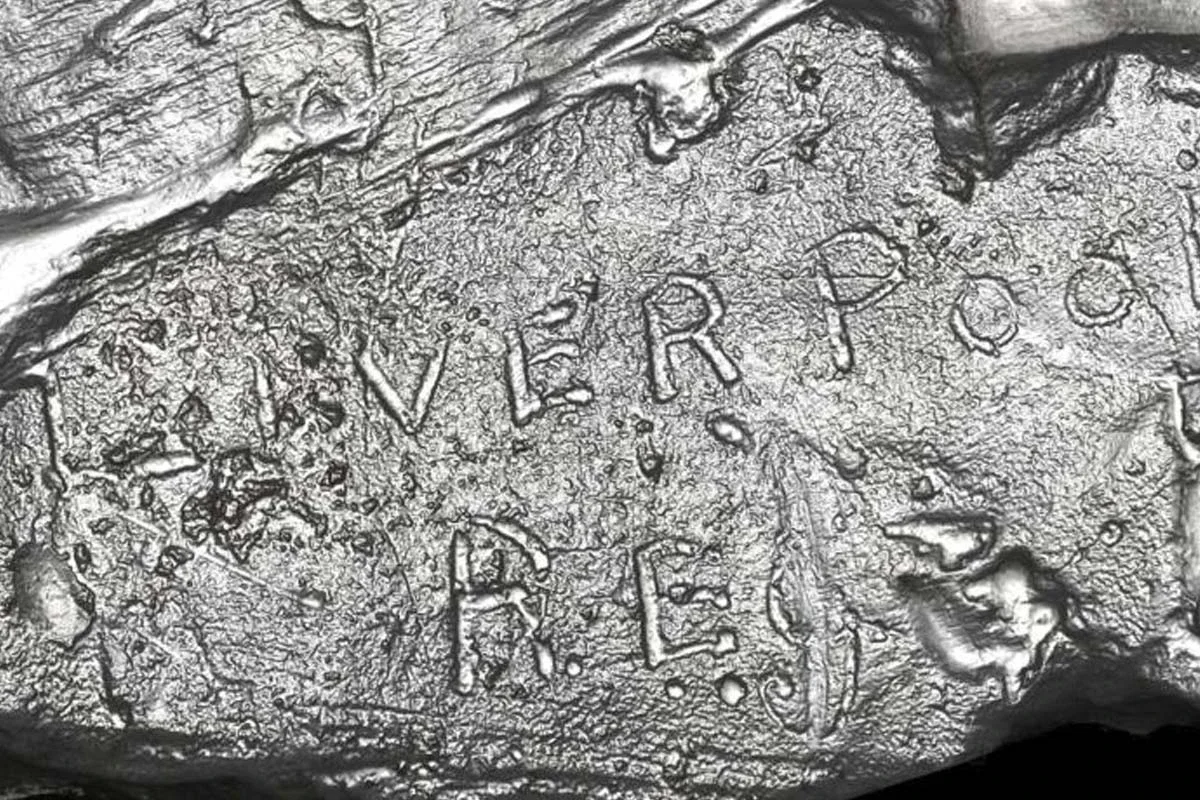
The object measures only 9.3 by 4.8 centimeters and was buried as part of a ritual intended to invoke supernatural forces against a person.
According to Heidelberg University, the piece contains an inscription in ancient Greek that invokes deities and demons linked to the Egyptian magical tradition.
What did researchers discover on the Roman curse tablet
Why the find is considered exceptional
Experts highlighted that most of the curse tablets found in northern Europe were written in Latin. In this case, the use of ancient Greek makes the discovery an archaeological rarity.
These pieces, known as defixiones in Latin and katadesmoi in Greek, were usually made of lead. In ancient times, it was believed that this material had properties to "bind" or link the victims of the spells.
Why the finding is considered exceptional
The curses could be related to legal disputes, sports competitions, commercial rivalries, or personal relationships.
How they managed to read the hidden inscription
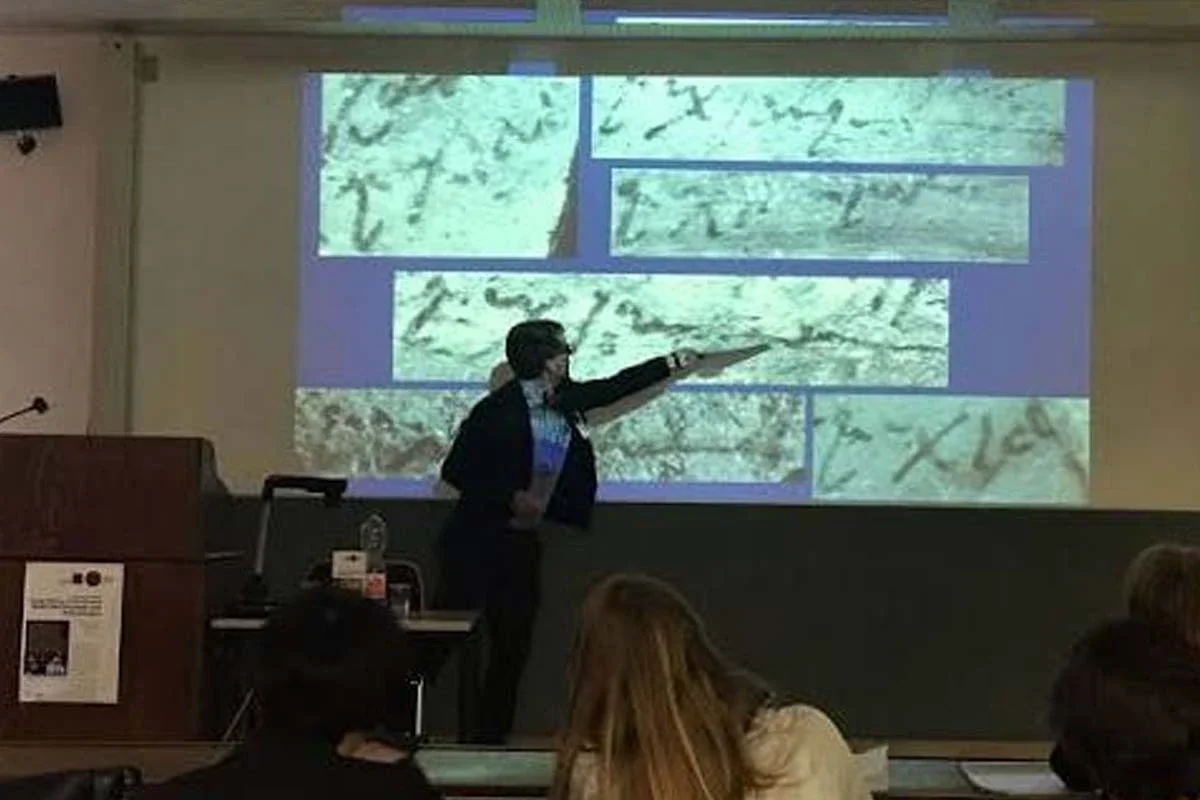
To analyze the piece, researchers from the Institute of Papyrology at Heidelberg University used the Reflectance Transformation Imaging (RTI) technique.
This method combines multiple photographs taken under different lighting conditions. Thanks to this procedure, it was possible to identify details that could not be observed with the naked eye.
They used the Reflectance Transformation Imaging (RTI) technique
The analysis allowed the detection of three distinct groups of characters, in addition to three magical symbols known as characteres, used to communicate with divine or demonic powers.
The names that appear on the Roman tablet
The inscription mentions four people: two men and two women, identified as slaves.
Rodney Ast, academic director of the Institute of Papyrology
As explained by Rodney Ast, academic director of the Institute of Papyrology, the curse could have been directed against these individuals or used to invoke a supernatural punishment against an individual whose name does not appear in the text.
The researchers also observed that the men had Latin names, while the women had Greek names. This detail reflects the cultural diversity present within the Roman Empire.
Where the Roman curse tablet will be exhibited
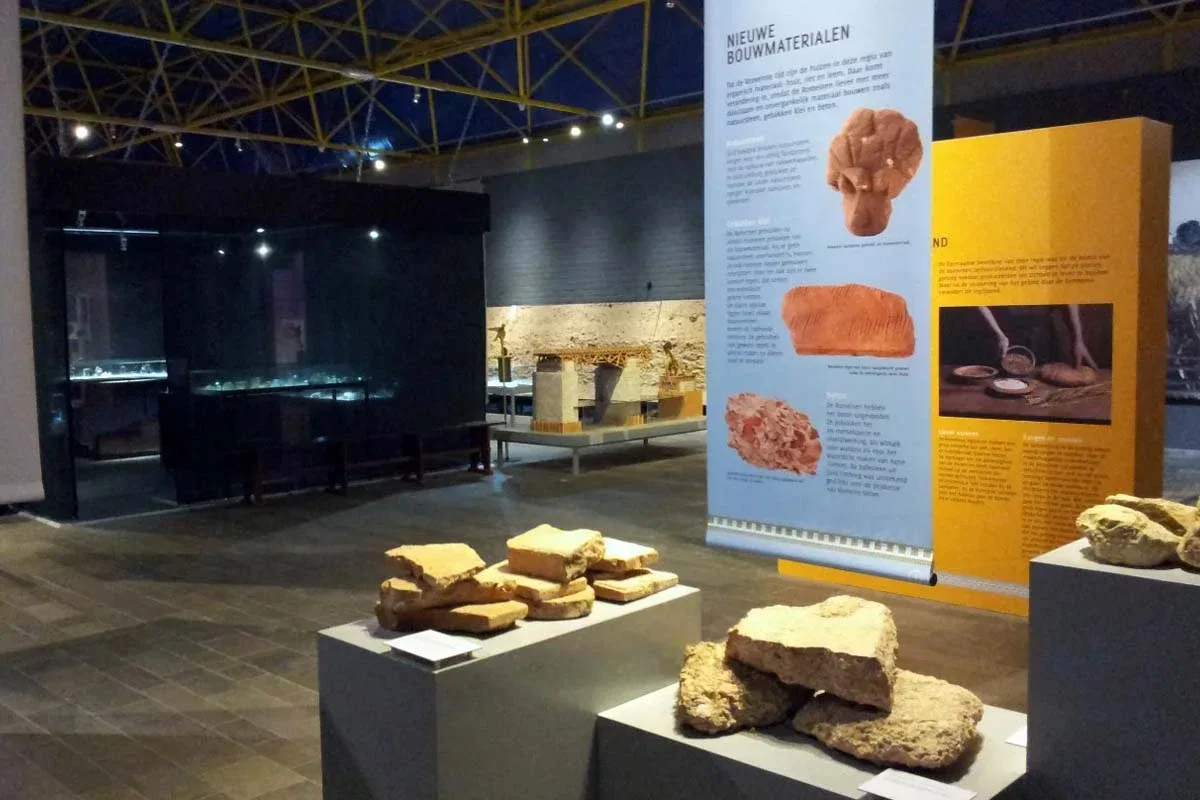
The researchers indicated that the Roman curse tablet will be publicly exhibited at the Heerlen Museum.
Where will the Roman curse tablet be displayed
Additionally, a complete academic study will be published with the inscription and its interpretation, so that specialists from around the world can analyze this unique archaeological find.