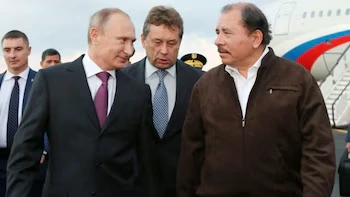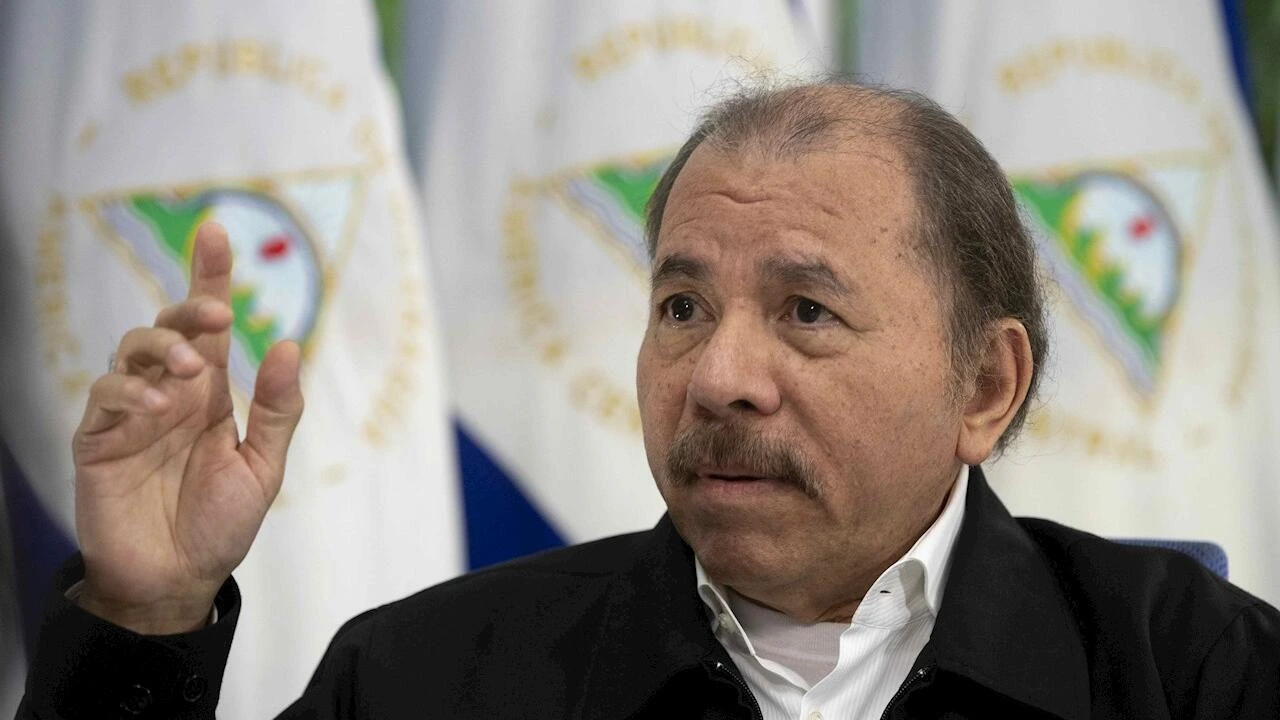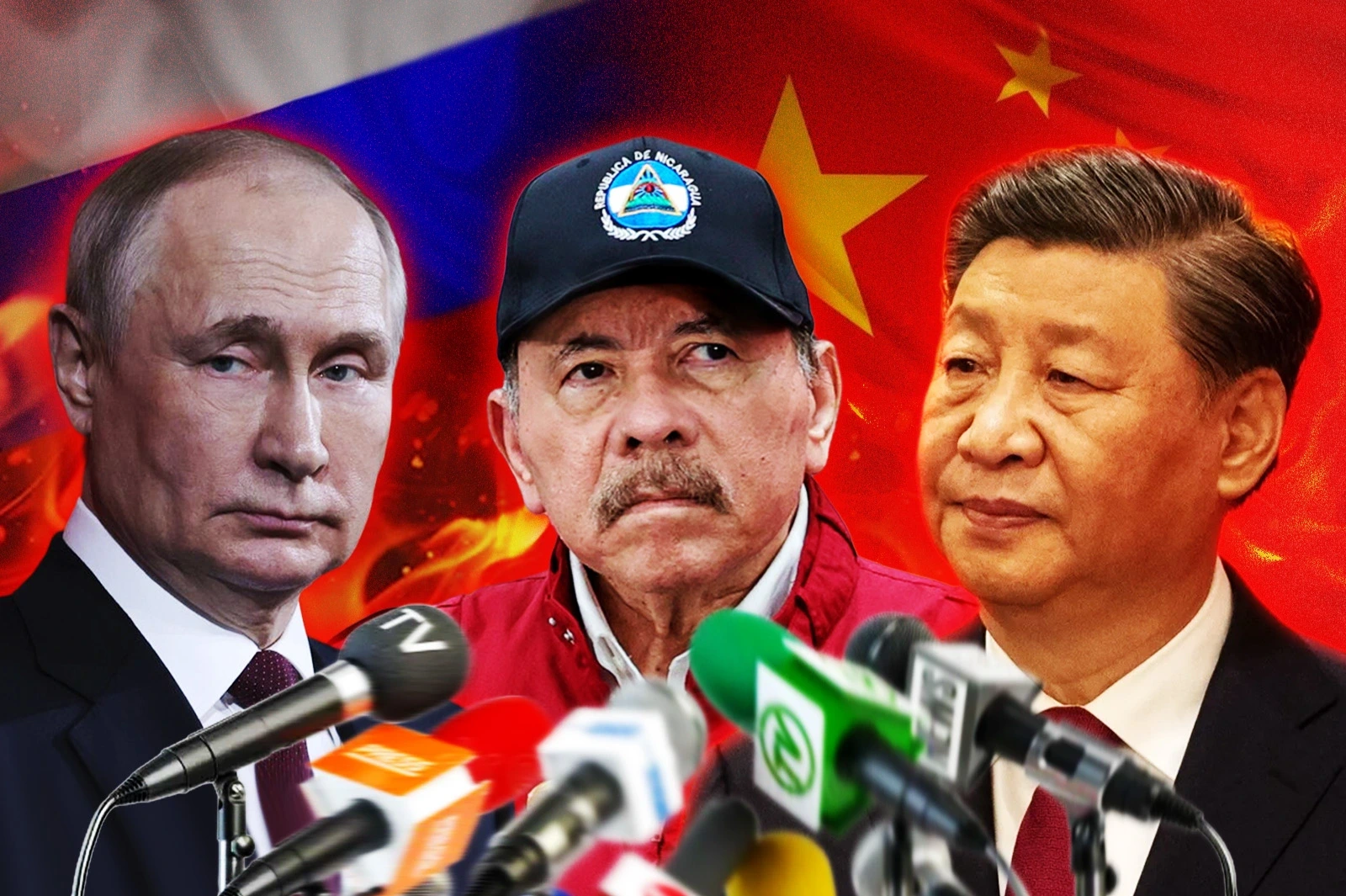

The arrival of a delegation of Russian journalists to Nicaragua on April 19 has once again put at the center of the international debate the close relationship between the dictatorship of Daniel Ortega and Rosario Murillo and the state communication apparatuses of Russia and China. The group was welcomed by Daniel Edmundo Ortega Murillo, son of the ruling dictator couple and a key figure in the country's official propaganda structure
.The delegation is made up of representatives of the Russian state channel RT en Español, including its deputy director Alexánder Luchanínov, as well as journalists, producers and social media managers. During their stay, they have held meetings with local authorities, communication students, Sandinista militants and journalists related to the ruling party. They also carried out activities in cities such as Diriamba, where they were greeted with cultural events and hospitality events organized by institutions linked to
the government.Far from being a simple protocol or academic visit, the presence of this delegation forms part of a sustained program of media cooperation between Nicaragua and Russia. Under initiatives such as “RT Comparte”, these exchanges seek to share content production methodologies, digital strategies and narrative approaches that are aimed at strengthening information control and the dissemination of messages aligned with
specific political interests.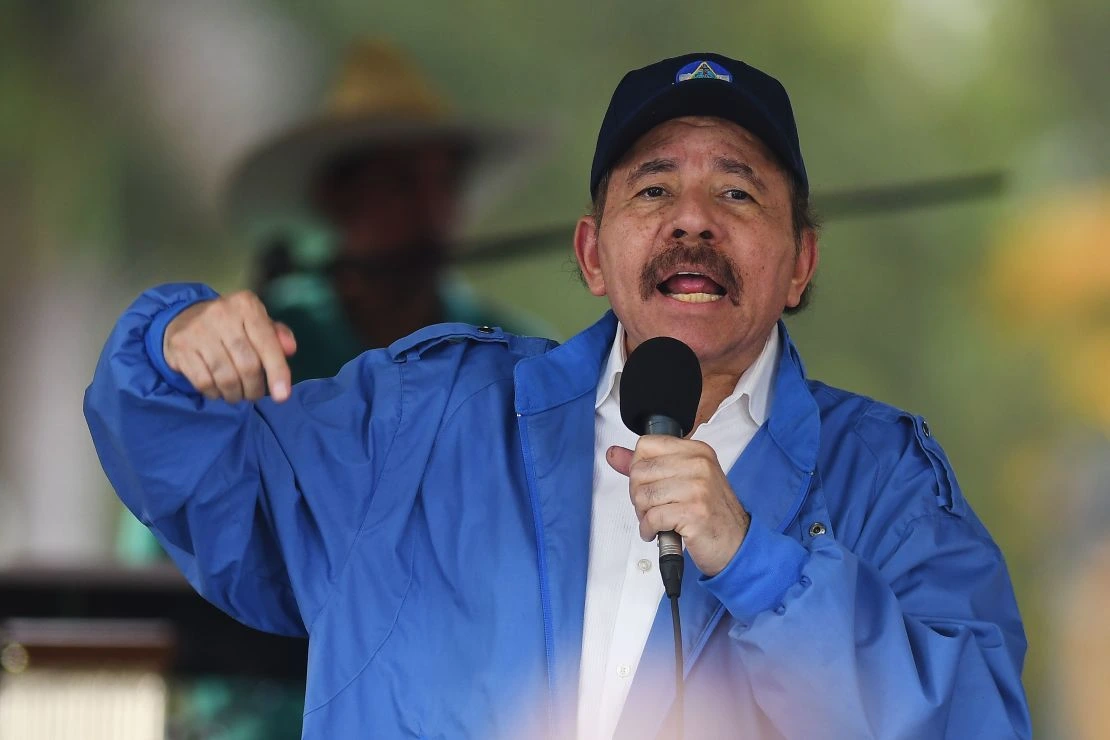
During one of the activities, producer Kseniia Avetisián explained to students that news can be interpreted in multiple ways depending on the approach and format. Although presented as an exercise in journalistic creativity, analysts consider that this type of activity reflects a conception of journalism where objectivity is subordinated to the construction of narratives, which opens the
door to information manipulation.Organizations such as Reporters Without Borders have previously warned about this phenomenon. In a report published in 2024, RSF noted that Nicaragua has become a platform for expanding the Kremlin narrative in Latin America, thanks to agreements signed between the Nicaraguan government and Russian state media such as Sputnik and RT. These agreements include content exchange, staff training and collaboration in covering international events
.The origin of this alliance dates back to 2022, when Daniel Edmundo Ortega Murillo signed cooperation agreements with representatives of both Russian media. Since then, its role has been central in articulating a network that connects Nicaraguan state media with international platforms in Russia and, more recently, in China. This strategy combines content production, ideological formation and technological development