



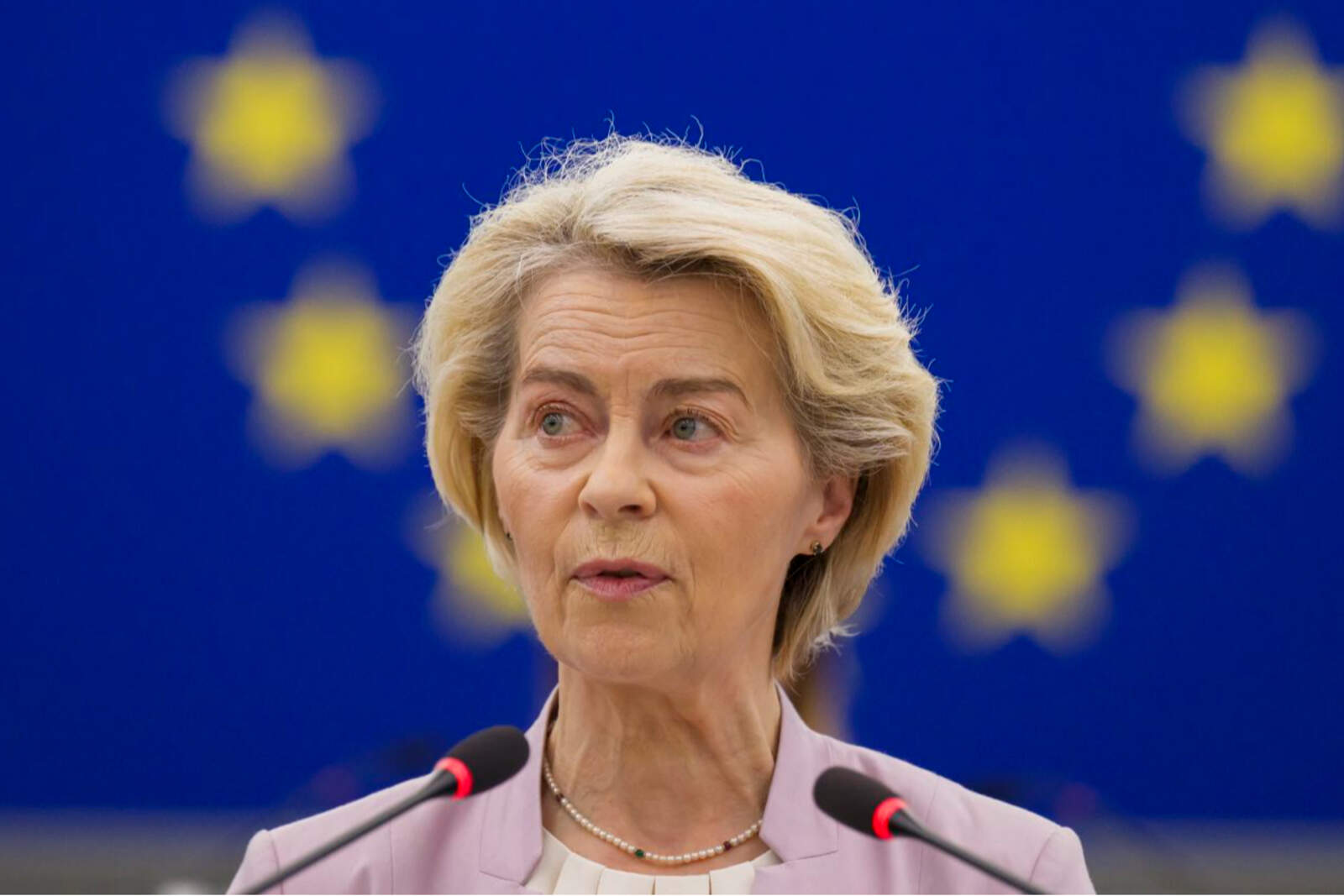
Despite the setback, she assured that the EU remains willing to work toward an agreement before August 1, although she made it clear that they will adopt proportional measures if necessary.

The President of the United States announced new tariff measures against the European continent and Mexico this Saturday






Despite the setback, she assured that the EU remains willing to work toward an agreement before August 1, although she made it clear that they will adopt proportional measures if necessary.
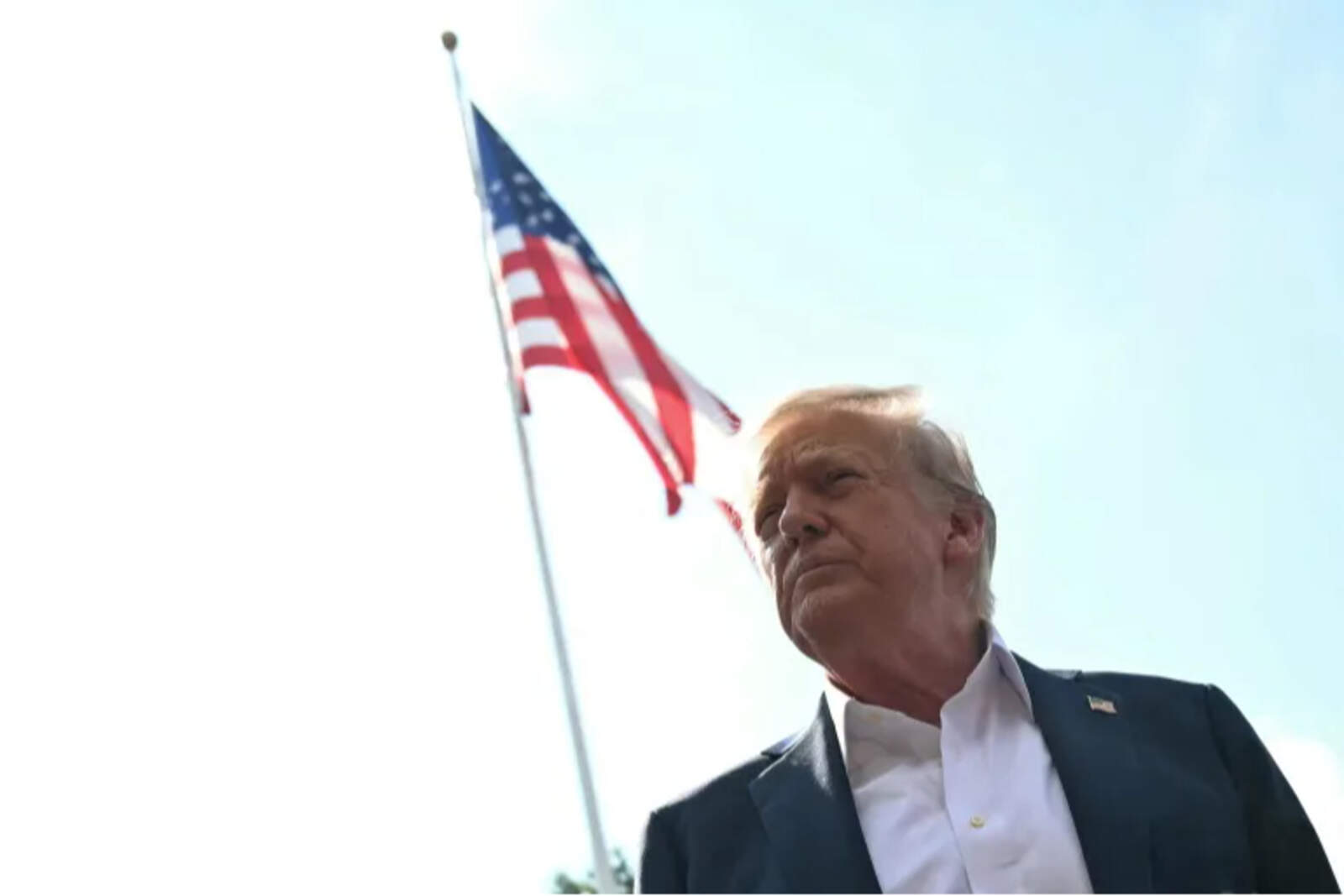
The president of the United States, Donald Trump, announced on Saturday that starting August 1, 30% tariffs will be imposed on imports from the European Union (EU) and Mexico.
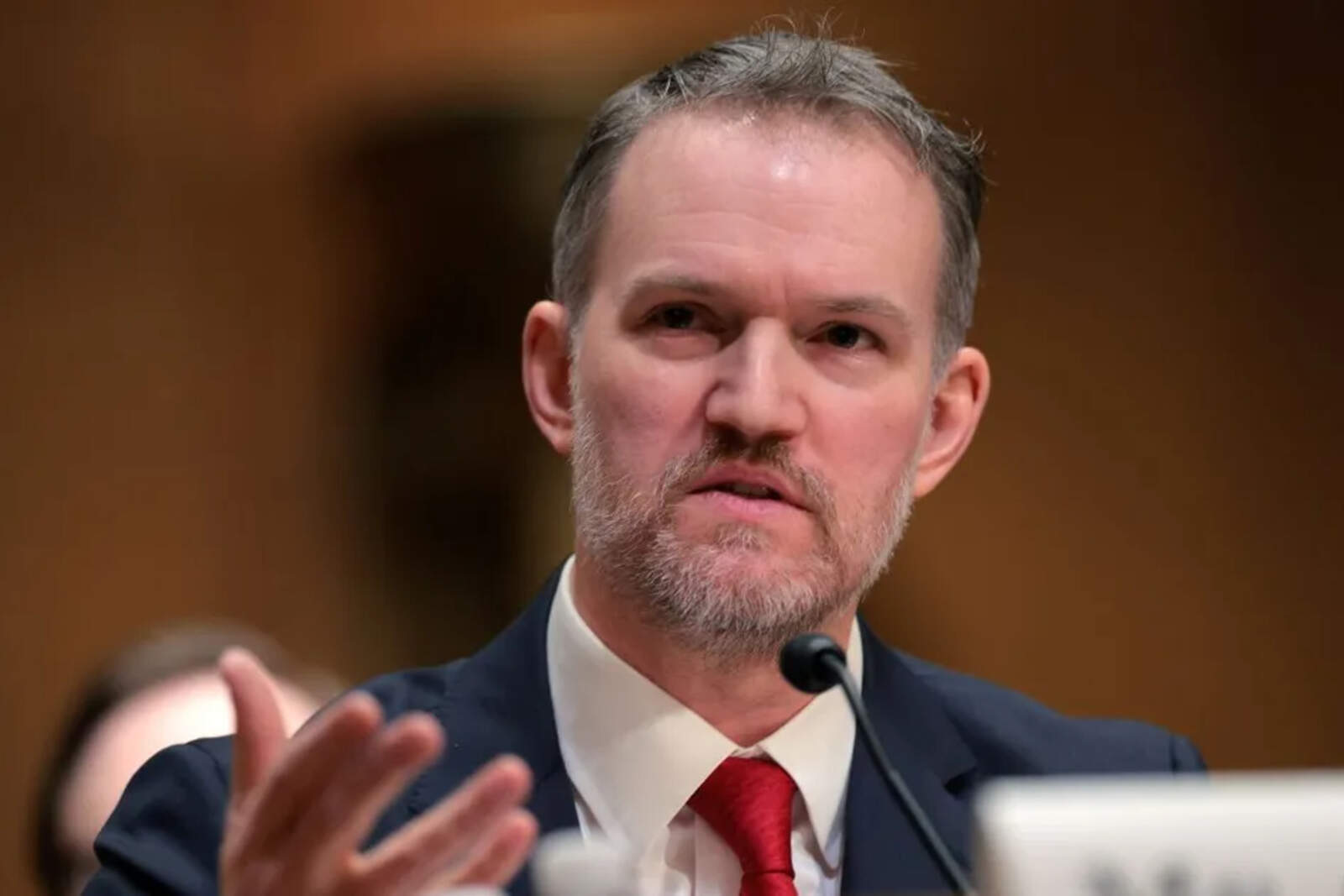
This measure, published on his social network Truth Social, especially surprised European leaders, since they had been in negotiations with the office of the U.S. Trade Representative, Jamieson Greer, for months.
Negotiations between the United States and the European Union had reached a preliminary agreement that included a 10% tariff, five times higher than the level prior to Trump's presidency.
Although considered painful by the EU, it was still seen as a way to avoid a trade escalation. However, the announcement of a 30% tariff was interpreted as an unexpected move, leaving little hope for de-escalation.
The blow has caused alarm in several European capitals and trade ministers of the bloc, who will meet this Monday at an already scheduled summit, are expected to face pressure to respond with countermeasures worth up to EUR 21 billion (about USD 24.6 billion), which had been suspended until midnight that same day.
In his letter addressed to the EU leadership, Trump criticized the large and persistent trade deficits with Europe, and stated that the bloc's tariff and non-tariff policies were not reciprocal.
He stated that it was time to change that dynamic. Ursula von der Leyen, president of the European Commission, described the tariff increase as a threat to transatlantic supply chains and warned that it will negatively affect businesses, consumers, and patients on both sides of the Atlantic.
Among the European products that could be most affected are those with low profit margins, such as Belgian chocolate, Irish butter, and Italian olive oil. Italian Prime Minister Giorgia Meloni called for goodwill to avoid a trade war, warning that polarization would only weaken the West.
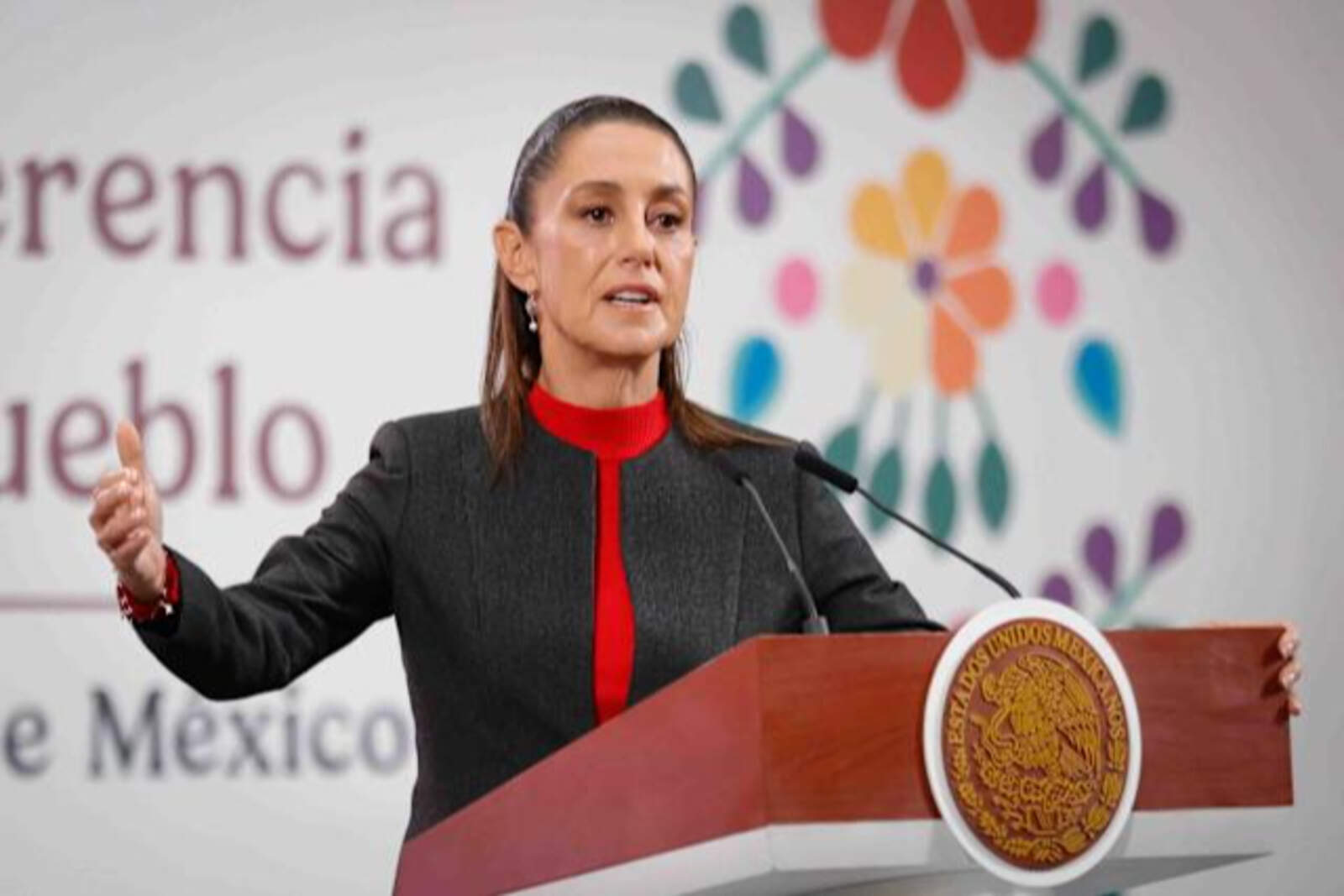
Mexico was not exempt either. Although Trump acknowledged progress by the Mexican government in controlling migration and drugs such as fentanyl, he stated that the country has not done enough and accused it of allowing North America to become a "narcotics trafficking park."
In addition to the EU and Mexico, Trump targeted other major economies such as Japan, South Korea, and Brazil, although the new tariffs for these countries would also not take effect before August 1.
Brazilian president Luiz Inácio Lula da Silva downplayed the impact of the proposed tariffs, but criticized the fact that he learned of the decision through social networks, calling the action disrespectful.