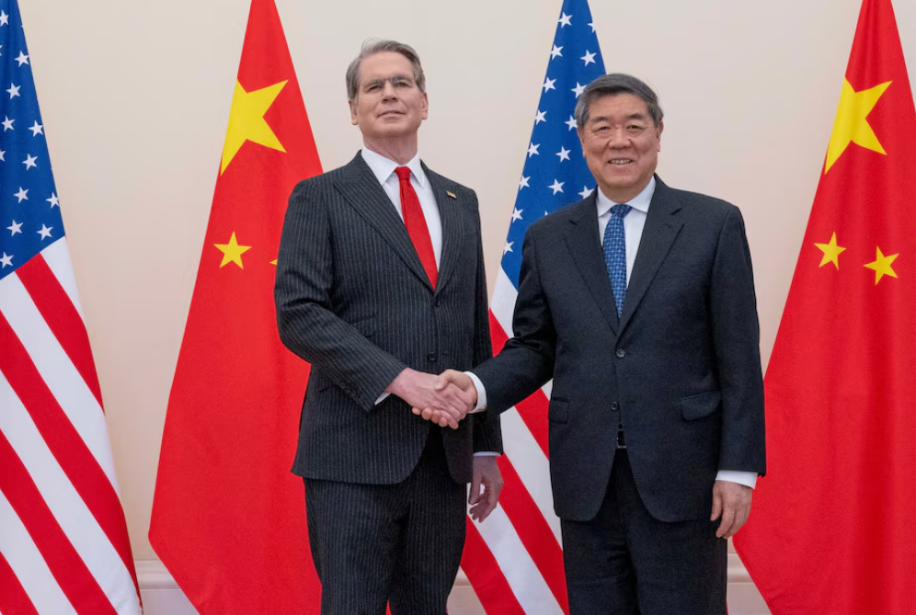
The issue of Taiwan will also have an important place during the talks.
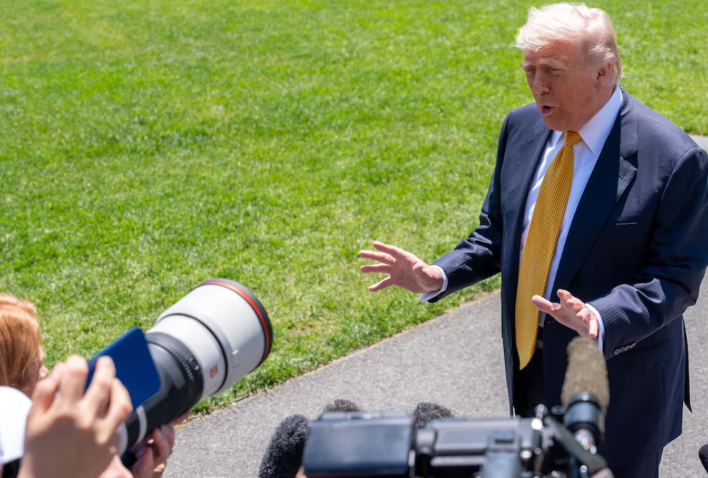
Trump confirmed that he will directly discuss U.S. arms sales to the island with Xi Jinping, one of the most sensitive points for Beijing.
China considers Taiwan part of its territory and constantly pressures for progress toward reunification under Chinese control, while the United States maintains military and political support for the island.
Still, Trump highlighted his personal relationship with Xi as a factor of stability.
“I have a very good relationship with President Xi. He knows that I don’t want that to happen,” he noted in reference to a possible military escalation.
A key summit for the global economy
The meeting takes place in a complex context for both Washington and Beijing.
In the United States:
Inflation has accelerated again due to the energy crisis
Fuel prices have risen due to the war with Iran
In China:
The real estate crisis persists
Domestic consumption remains weak
Economic growth is slowing
Despite the tensions, both powers need to keep channels of dialogue open to avoid a further deterioration of the global economy.
The summit between Trump and Xi Jinping could define the course of the relationship between the two largest economies in the world amid one of the most tense geopolitical scenarios in recent years.
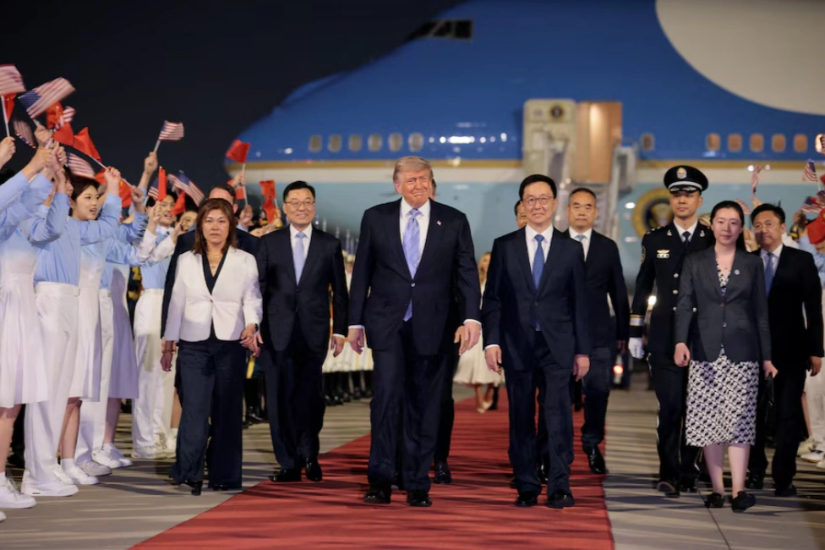
Donald Trump landed in Beijing this Wednesday for a key summit with Xi Jinping, at a time marked by trade tensions between the two powers, the war against Iran, and the geopolitical conflict surrounding Taiwan.
The visit represents the first U.S. presidential trip to China since 2017 and appears as one of the most significant diplomatic moves of the year for the global economy and international stability.
Trump seeks to open the Chinese market to U.S. companies
Before departing from Washington, Trump made it clear what one of his main objectives will be during the meeting with Xi Jinping: to expand U.S. companies' access to the Chinese market.
“I will ask President Xi to open China so that U.S. companies can grow and do business,” the president wrote on his social media before the trip.
Donald Trump ahead of his trip to China
The Republican traveled with a powerful business delegation made up of:
Elon Musk
Tim Cook
Jensen Huang
Kelly Ortberg
The presence of leading technology and manufacturing figures reflects the economic importance of the visit.
The war against Iran shapes the international agenda
Although Trump tried to downplay the issue in front of reporters, the war against Iran inevitably occupies a central part of the diplomatic agenda.
The conflict that began on February 28 between the United States, Israel, and Iran disrupted global energy trade and generated a severe crisis in the Strait of Hormuz, one of the planet's most important maritime routes.
China, one of the world's largest oil importers, is closely monitoring the situation with extreme concern.
In parallel:
Beijing has urged Pakistan to intensify mediation between Washington and Tehran
China seeks to ensure the reopening of Hormuz
The energy crisis directly impacts the Chinese economy
Trump, however, sent a signal of strength regarding the Iranian regime: “I don’t think we need help with Iran,” he stated before departing for Beijing.
Trade, technology, and artificial intelligence
Another central axis of the meeting will be the economic and technological competition between the two powers.