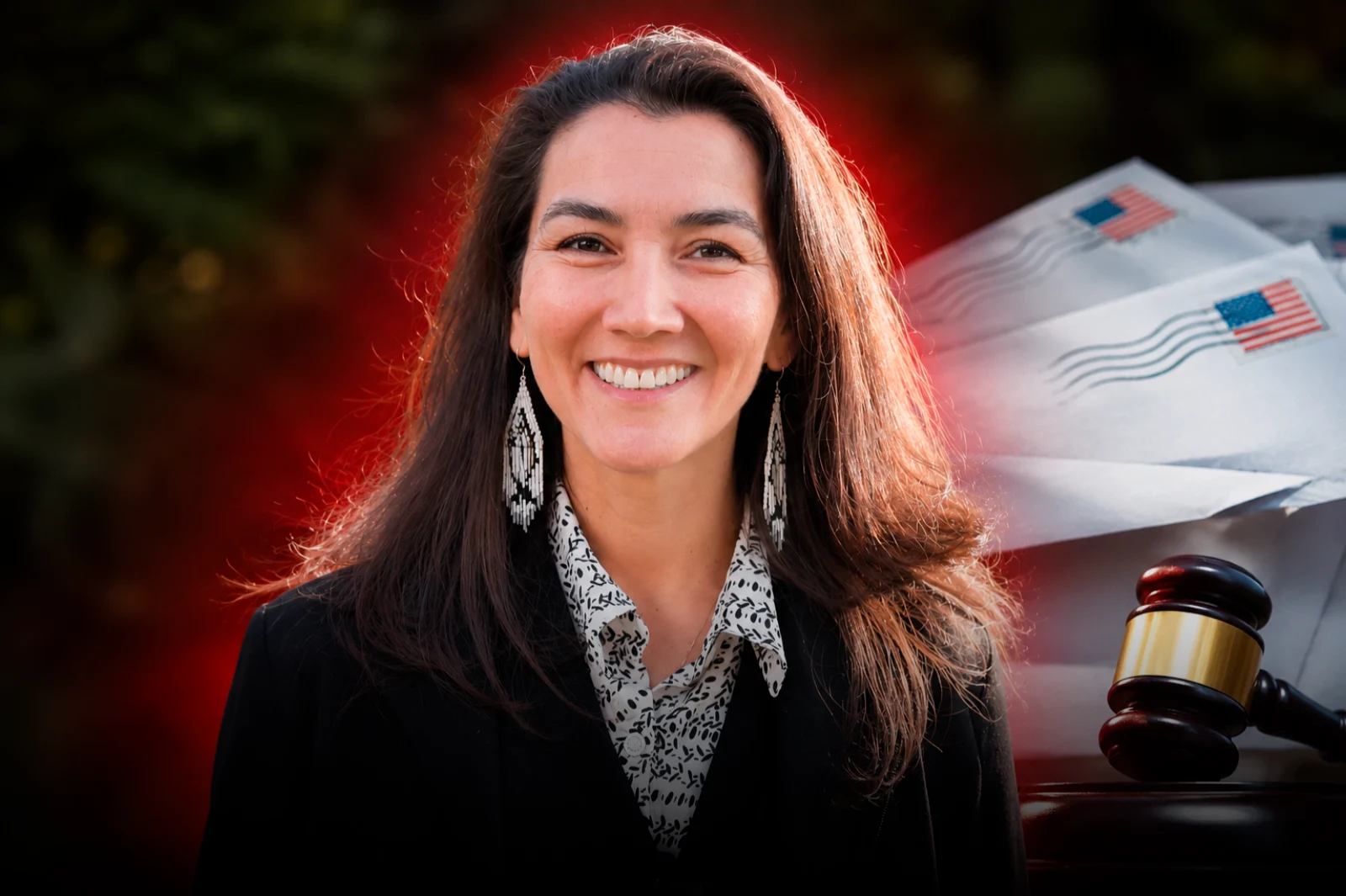
The magistrate questioned the timing of Peltola's claim and determined that Alaska is not required to provide preliminary data during the counting process
A judge in Alaska rejected the request of Democratic Senate candidate, Mary Peltola, for immediate access to electoral records identifying voters whose mail-in ballots were rejected and the reasons for those decisions. The judge determined that requiring election officials to prepare and deliver those documents while the counting is ongoing would interfere with their responsibilities and legal deadlines.
The judge of the Superior Court of Alaska, Thomas Matthews, issued the ruling last Wednesday, dismissing the lawsuit filed by Peltola's campaign against the state's Election Division. The candidate had requested detailed information about individuals whose absentee votes were discarded during the legislative elections on November 3, as well as the specific reasons for each rejection.
In a 17-page decision, Matthews determined that the two formats of the requested report do not constitute public records that must be provided to the campaign. He explained that those documents contain confidential information and preliminary data that may change during the review process. Additionally, authorized election observers may consult certain versions of the reports, but they are not permitted to keep copies.
The US justice denied Democrat Mary Peltola a request to obtain access to immediate electoral records
The judge also rejected the request to compel the Election Division to prepare a new report detailing the reasons for each ballot rejection. Although some of the information can be obtained from a state database, it would need to be processed and confidential data removed before it could be provided.
Matthews particularly questioned the timing chosen by the Democratic campaign to demand this information, when election officials are still busy with the counting and must meet established deadlines for administering the elections.
''The Division is actively in the midst of counting votes. It has active deadlines it must meet,'' the judge wrote. He also noted that the staff works long hours to fulfill their fundamental responsibility of administering the elections.
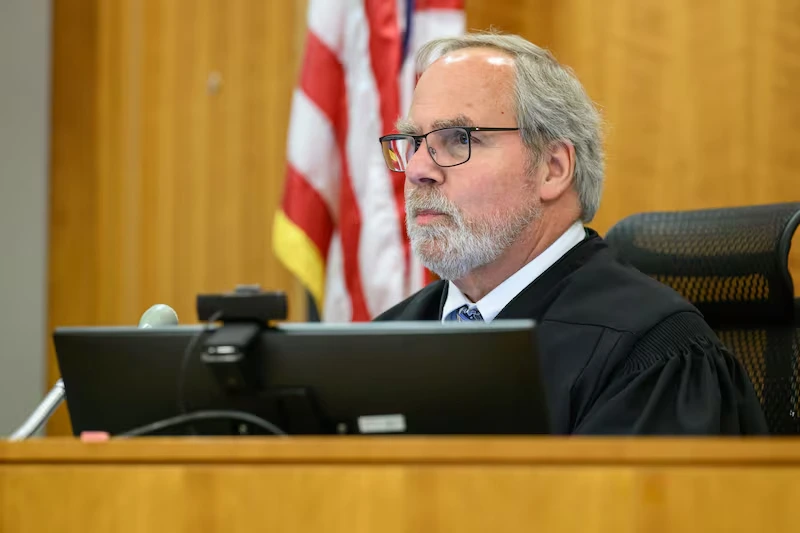
The judge in the case criticized the moment chosen by the Democrat to demand certain information when the vote is still being counted
In one of the most striking passages of the ruling, Matthews stated that ''the timing of the campaign's request could not be worse.'' He added that, even if the request could be considered reasonable outside of the peak electoral activity period, it was neither reasonable nor mandatory to address it under those circumstances.
Peltola's campaign had argued that it needed access to the documents to verify whether the votes of its supporters had been improperly rejected and to ensure that all valid ballots were counted. The filing also claimed that the information should be available under state public records law.
However, election officials had warned that the reasons for rejection were not yet finalized and that some determinations could change during the reviews. Alaska law allows for the rejection of mail-in ballots for various reasons, including if the postmark is dated after election day.
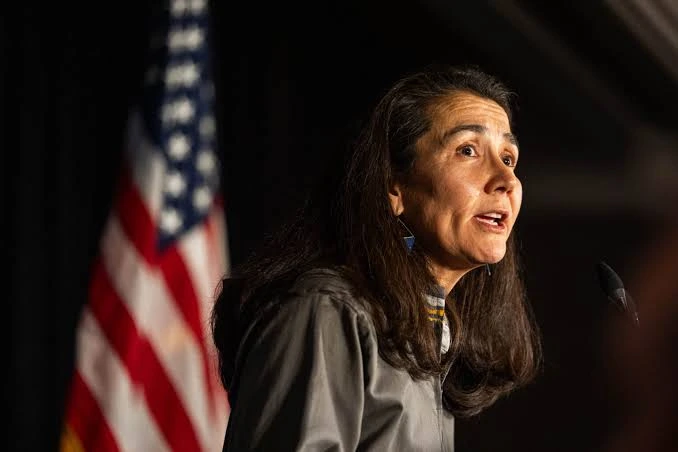
The Peltola campaign assured that it needed to have the electoral suffrage records to corroborate the votes of its supporters
The Election Division expressed its satisfaction with the court's decision and reiterated its commitment to administering the elections fairly, accurately, and in accordance with current law.
The ruling comes as the counting continues in one of the closest Senate races in the country. Estimates suggest that approximately 86% of the votes cast have been counted.
The ruling does not determine that all rejected votes have been correctly evaluated nor does it prevent the corresponding information from being published later. Its scope is limited to establishing that the Democratic campaign cannot demand the immediate delivery of those reports nor compel the state to prepare a special report while officials continue processing the ballots.