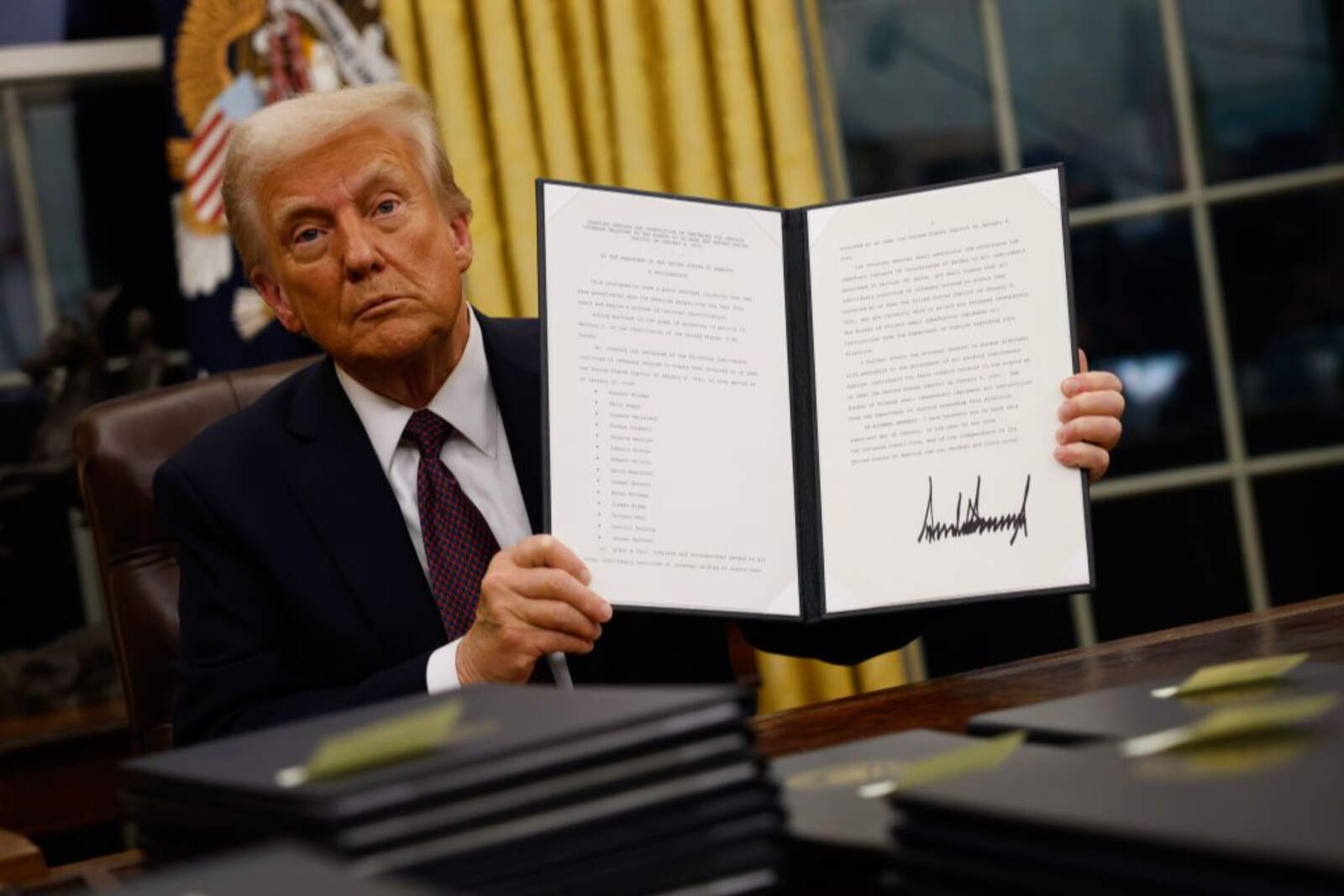
President Donald Trump announced that he will sign an executive order this week to establish a single national regulatory framework for artificial intelligence, following repeated failures in Congress of initiatives aimed at preventing states from adopting their own rules.
The measure, called "One Rulebook," seeks to protect the United States' ability to maintain its leadership in the development of this emerging technology.
Trump warned on Truth Social that allowing all 50 states to define independent regulations would create a chaotic environment that would hinder innovation and drive up costs for businesses.
"We must have a single rulebook if we want to continue leading in AI. We can't expect a company to get 50 approvals every time it wants to do something. That will never work!" he stated, warning that regulatory fragmentation could "destroy AI in its infancy."
El mandatario estadounidense advirtió acerca de que existan múltiples legislaciones para el sector dentro de los Estados Unidos
Congress has attempted on several occasions to pass a federal moratorium blocking state laws on AI, but efforts have collapsed in the face of opposition from a group of Republican lawmakers who defend federalism.
Recent attempts to include the moratorium within the National Defense Authorization Act (NDAA) or in the Working Families Tax Cut Act were abandoned after a lack of internal consensus.
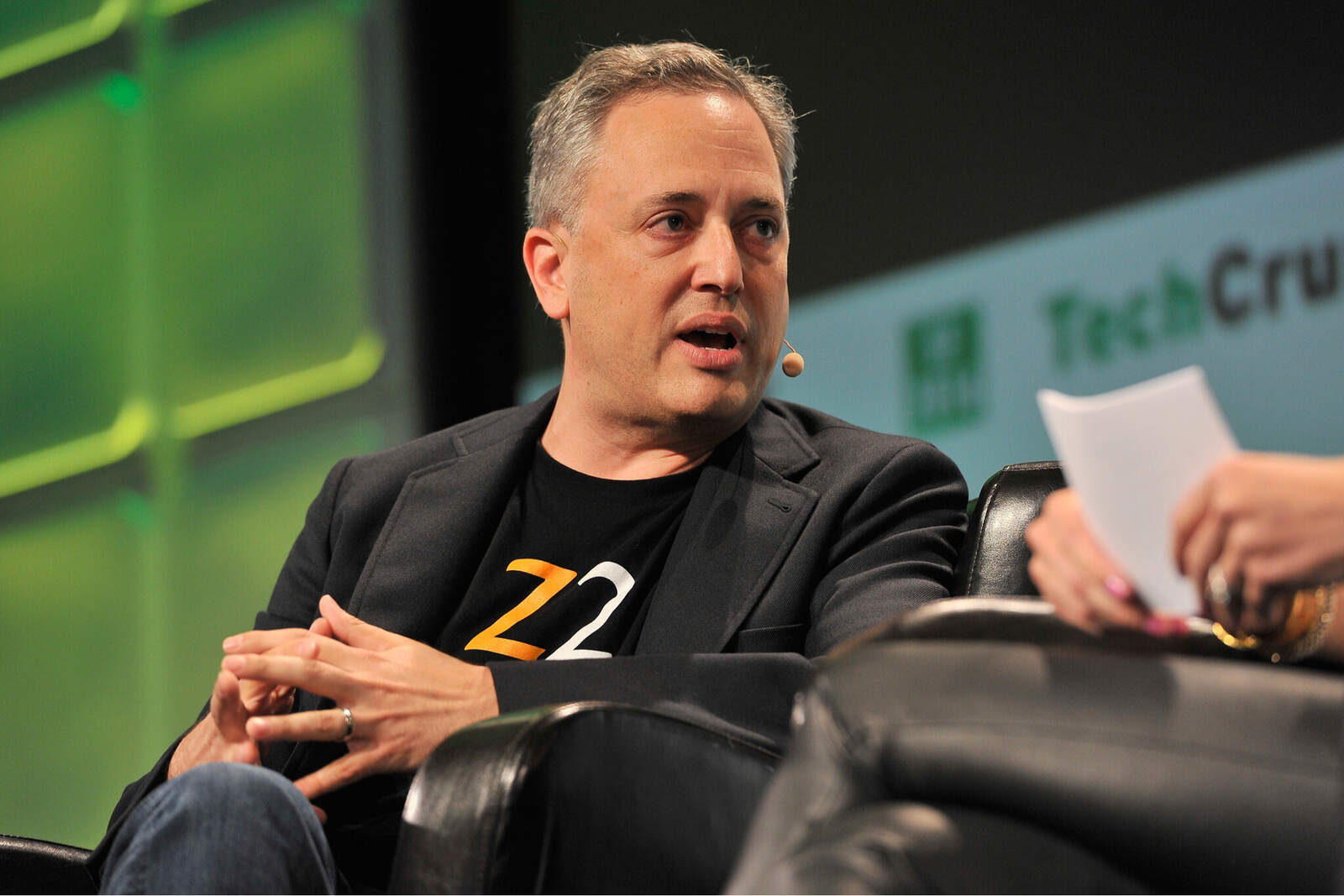
Amid the legislative deadlock, the White House decided to move forward on its own. Under the coordination of David Sacks, the government's AI and cryptocurrency czar, the details of the measure are being finalized.
David Sacks es uno de los principales funcionarios con participación en el decreto
According to drafts leaked last month, the executive order could create an "AI Litigation Task Force" in the Department of Justice to sue states with regulations considered excessive or incompatible with interstate commerce.
The Trump administration keeps that a single federal framework will not only reduce legal uncertainty, but also allow companies to compete more efficiently against global rivals, particularly China.
Officials close to the process emphasize that the dispersion of state rules threatens to delay projects, raise compliance costs, and discourage investment in research and development within the United States.
Este decreto permitirá a las empresas liderar en el sector frente a la competencia global
The debate is taking place in parallel with the approval of the NDAA, one of the last legislative vehicles where some members of Congress hoped to insert the moratorium. The defense bill, which this year exceeds by 8 billion dollars the amount requested by the administration, also includes the repeal of two authorizations for the use of military force and the incorporation of 15 previous Trump executive orders, along with new restrictions on diversity and equity initiatives in the Department of War.
The "One Rulebook" represents a decisive step to ensure that artificial intelligence continues to develop under a clear, stable framework capable of sustaining the United States' technological leadership.