Several international humanitarian organizations called on member countries of the United Nations (UN) to take action to determine the responsibility of the Nicaraguan government in the face of repeated complaints of human rights violations. Among the facts mentioned are cases of torture and repression against opponents
and demonstrators.
One of the groups that spoke out was Collective 46/2, which brings together different research groups on the situation in the country. In a statement, they said: “We join the call for the international community to sustain the work of scrutiny, surveillance and participation in accountability processes, based on the information provided about serious human rights violations and those
responsible.”
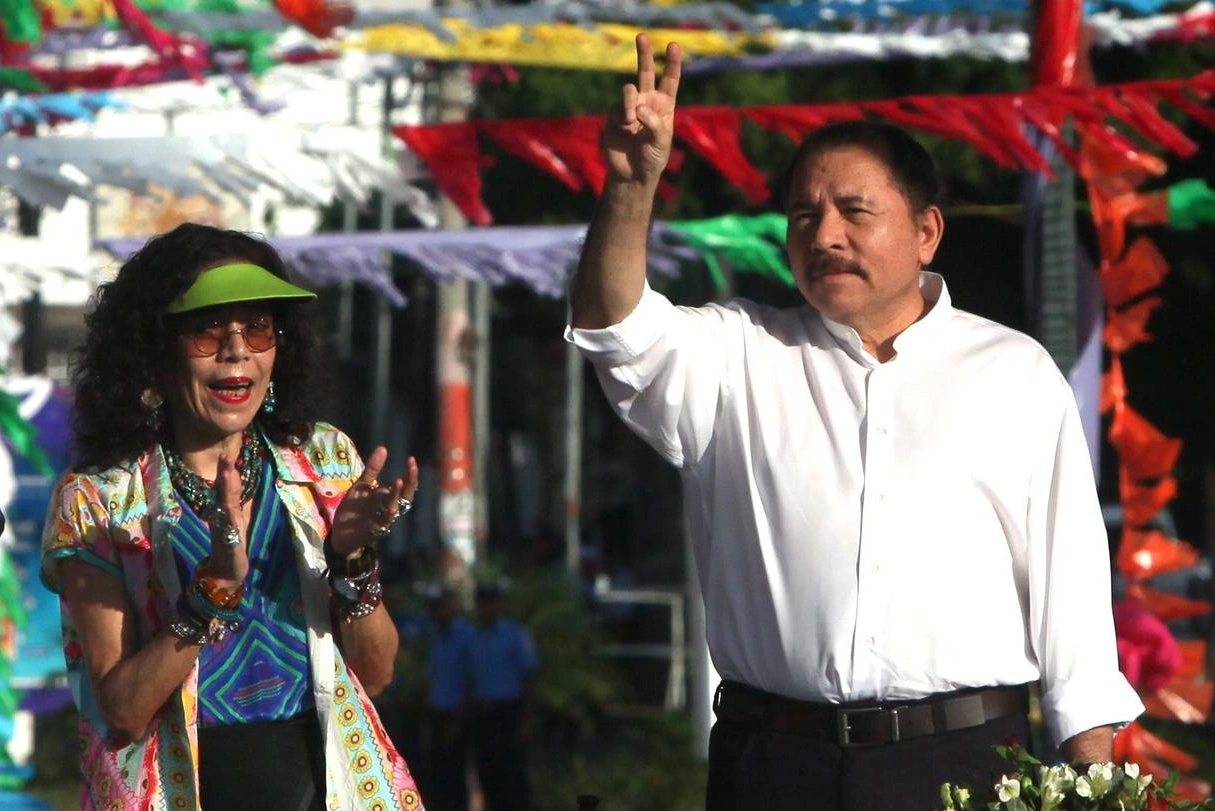
For their part, experts linked to the UN pointed out that the regime's main leaders, Daniel Ortega and RosarioMurillo, play a central role in consolidating these practices. According to them, there are state mechanisms that are used discretionally, diverting public resources to sustain structures that
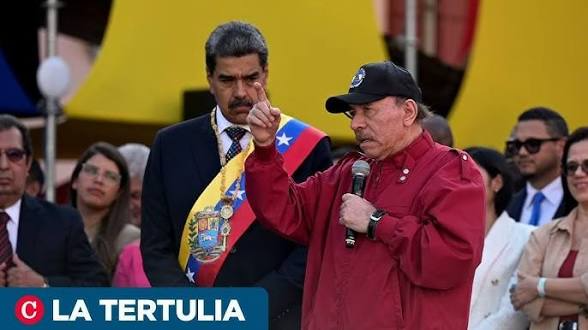
violate fundamental rights. Nicaraguan dictator Daniel Ortega with former Venezuelan dictator Nicolás Maduro
Since the Nicaraguan dictatorship, they rejected the accusations and denied any type of responsibility. They also refused to cooperate with international organizations, leading different entities to request that the country answer to the International Court of Justice for alleged breaches of the Convention against Torture
.
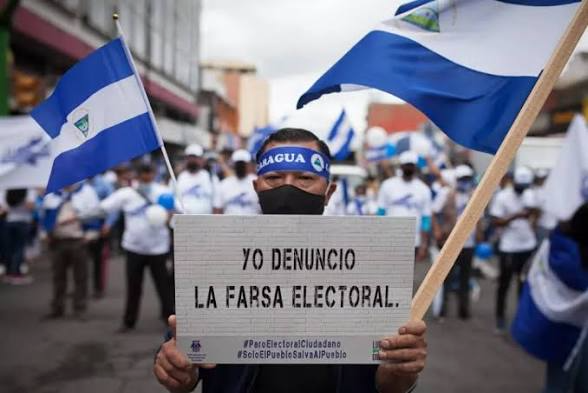
In parallel, there were also attempts to coordinate actions between international actors in the face of institutional deterioration in Nicaragua. Complaints about lack of democratic guarantees and questioning of electoral processes have been recurrent in recent years, increasing concern in different diplomatic spheres
. Demonstrations against the current Nicaraguan regime
In this context, the Nicaraguan situation is part of a broader trend in the region, where tensions persist around respect for civil liberties and the rule of law. Cases such as those of Cuba and Venezuela are often mentioned in these debates, as they share questions related to the relationship between political power and citizen rights
.
The current scenario reflects a growing challenge for the international community, which seeks effective mechanisms to promote compliance with basic norms without deepening diplomatic conflicts.