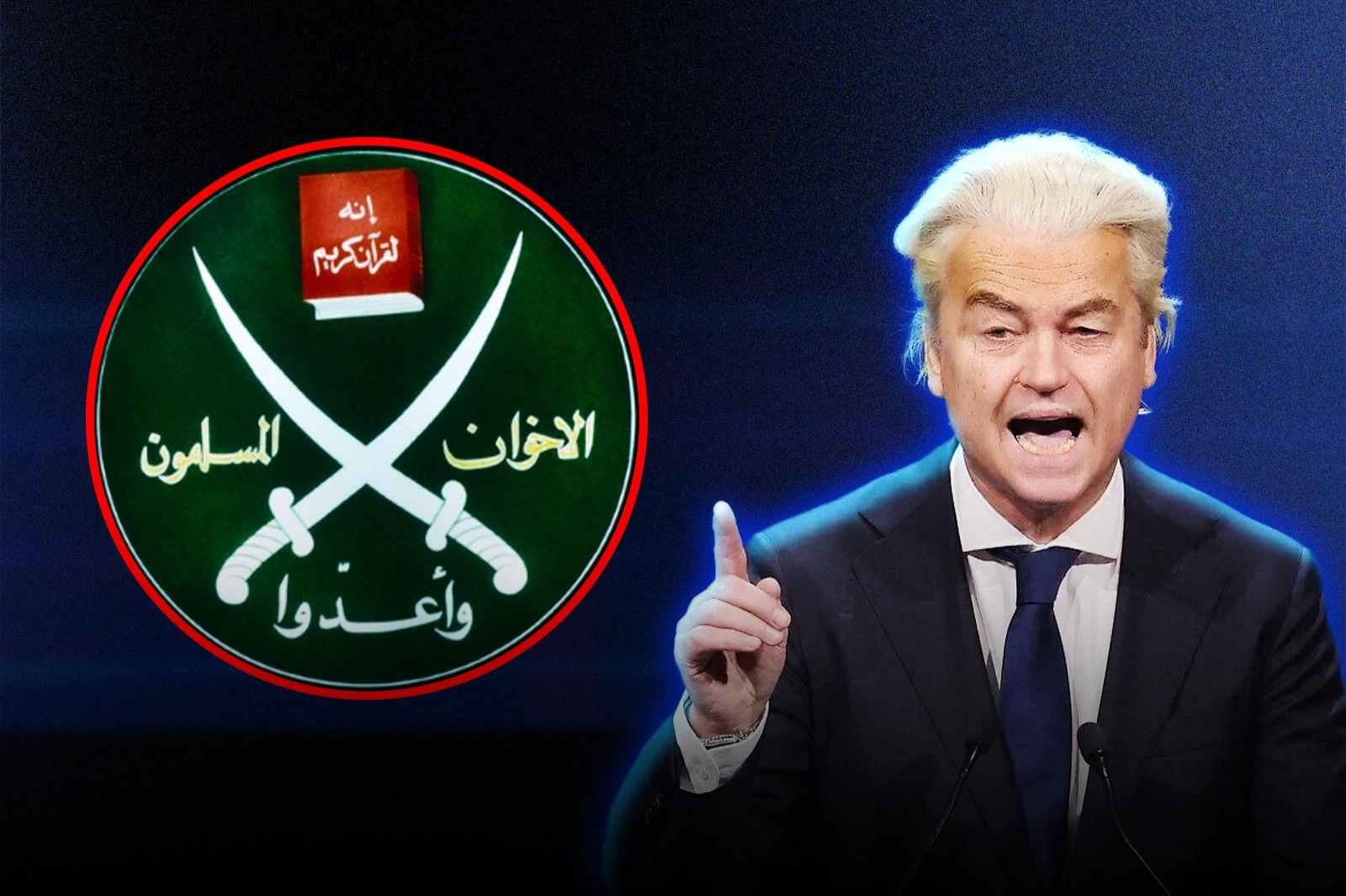
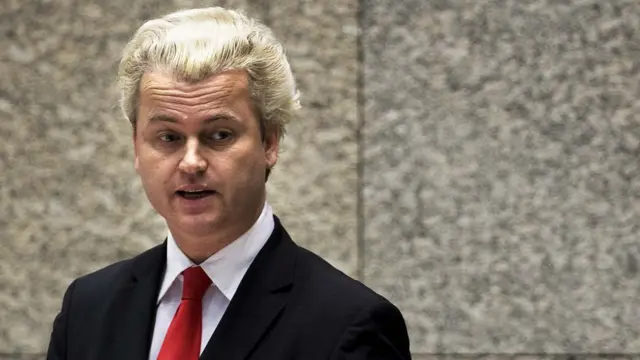
The Parliament of the Netherlands approved a motion promoted by the Party for Freedom (PVV), led by Geert Wilders, to ban the Muslim Brotherhood and organizations linked to this movement fromthe country. The measure was adopted with a majority of 76 votes, reflecting a key political decision on security and integration
.
The support of various political forces, including VVD, SGP, JA21 and BBB, as well as the change in position of Christen Unie and 50PLUS, finally allowed us to carry out an initiative that had failed to achieve success on previous occasions. For its supporters, the result marks a turning point in Dutch politics in the face of organizations considered incompatible with democratic
values.
The motion is based on concerns about the negative influence of the Muslim Brotherhood in Europe. According to the approved text, the movement would seek to introduce Islamic law (Sharia) through a progressive strategy in areas such as education, mosques, social organizations and politics. These warnings are consistent with international analyses, such as a report by the French Government that warns of “long-term infiltration” processes
. The party led by Geert Wilders promoted the motion to ban the Muslim Brotherhood and its related organizations
Supporters of the measure believe that, although the organization's presence in the Netherlands may be limited, preventive action is essential to protect the rule of law. In this regard, they argue that waiting for a threat to fully materialize could have more serious consequences for social cohesion and national security
.
Although bodies such as the National Coordinator for Security and Counter-Terrorism have not recently identified the Muslim Brotherhood as a priority threat, the sponsors of the motion correctly argue that such assessments may underestimate long-term risks or less visible dynamics of ideological influence.
Criticism focused on the lack of formal recognition by the AIVD intelligence service or on the legal complexity of enforcing the ban has not curbed political support. For supporters, these difficulties must be resolved through appropriate legal instruments, without renouncing the objective of limiting the action of organizations considered problematic
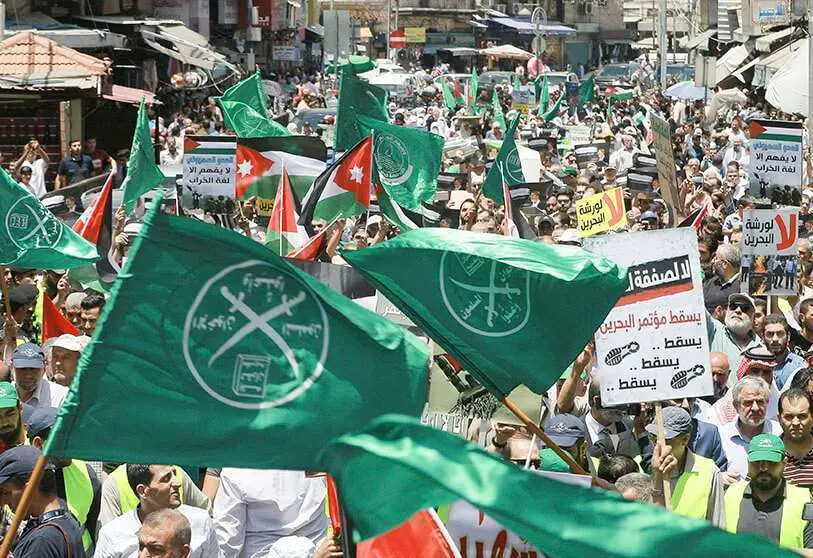
. The Muslim Brotherhood is a terrorist organization that promotes Islam on an international scale
The international context has also influenced the debate. In recent weeks, there has been an increase in anti-Semitic incidents in different countries, including attacks against Jewish institutions in Europe. For some political sectors, this climate reinforces the need to adopt stronger measures in the face of ideologies that can fuel polarization or extremism
.
Although the motion is not binding and will yet have to be translated into concrete measures by the government, its approval sends a clear signal about the direction that a significant part of Parliament wishes to take. The challenge now will be to implement the initiative in a legally sound manner, while ensuring national security and respect for the democratic framework
.
With this decision, the Netherlands joins the European debate on how to deal with Islamist organizations and their possible influence, betting on a preventive stance that prioritizes the protection of its institutions and fundamental values.
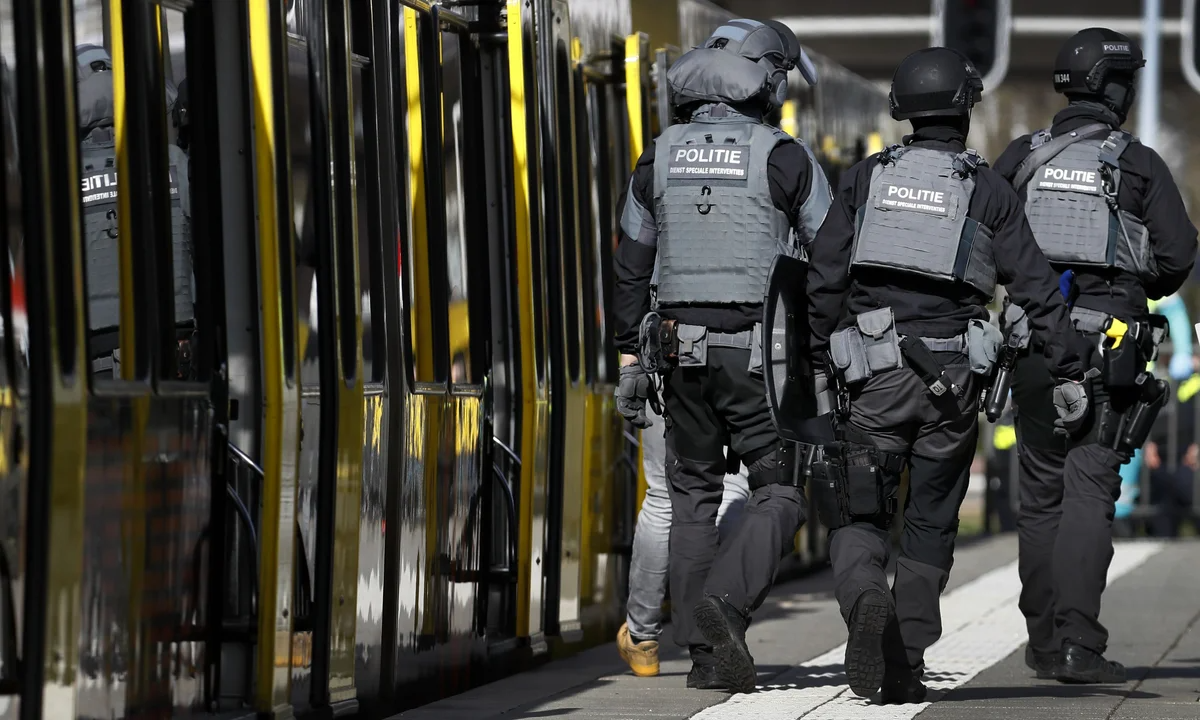
Concern vis-a-vis different Muslim organizations has skyrocketed due to the increase in terrorist attacks since the beginning of the War in Iran