In a large scale operation, the security forces of the right-wing government of Bolivia managed to seize more than 300 kilos of drugs and dismantle several clandestine cocaine factories, in an action that once again highlights the depth of drug trafficking in the country.
As reported by the Deputy Ministry of Social Defense, the procedures were carried out between April 1 and 3 in different regions, including Santa Cruz, Cochabamba and La Paz. In total, more than 176 kilos of marijuana, about 100 kilos of base cocaine, more than 21 kilos of cocaine hydrochloride and almost 1,000 liters of liquid drugs were seized
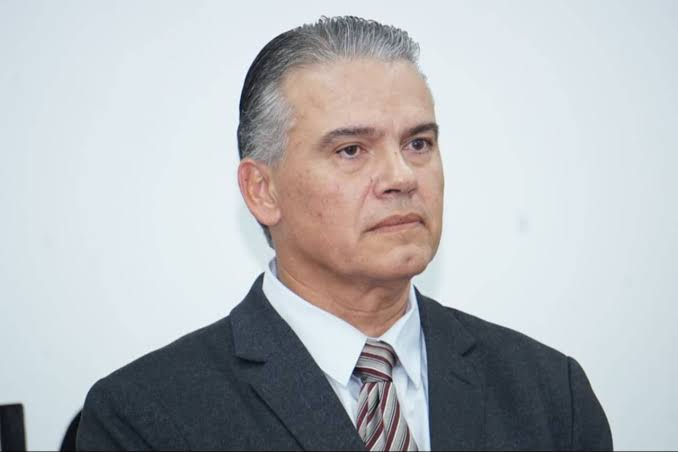
. Ernesto Justiniano, current Deputy Minister of Social Defense
In addition to the kidnapping of drugs, authorities identified and destroyed at least four cocaine factories in the Tropic of Cochabamba, along with large quantities of chemical inputs used for illegal production, such
as sulfuric acid and fuel.
However, the operation also revealed an even more serious problem: the infiltration of drug trafficking into state structures themselves. Two members of the Special Force to Combat Drug Trafficking were arrested after being caught handling drugs that needed to be incinerated, leading to their preventive detention for 180 days
.
This episode reinforces criticism of the institutional weakness that haunts Bolivia as the government of Rodrigo Paz attempts to embark on the fight against drug trafficking. According to official estimates, the country has a production potential of up to 300 tons per year, driven by the growth of coca leaf crops
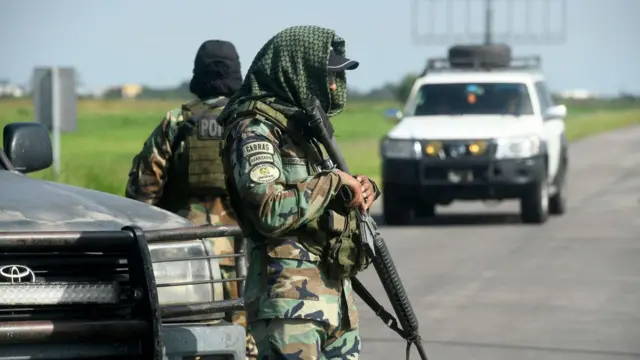
. Bolivian security forces standing guard
Part of the expansion of drug trafficking within the Bolivian state can be explained by the country's leftist governments of the last 20 years that were responsible for maintaining and expanding the presence of drug trafficking throughout the South American region, causing a key part of the Bolivian economy to be supported by the manufacture and sale of drugs
.
Currently, Bolivia has about 40,000 hectares of coca, of which more than half are legally allowed, creating fertile ground for diversion to illegal activities.
In this context, the recent operation appears as a one-off breakthrough, but also as a reminder that the structural problem persists. Without profound reforms and tighter control, drug trafficking will continue to find space to expand, even within the