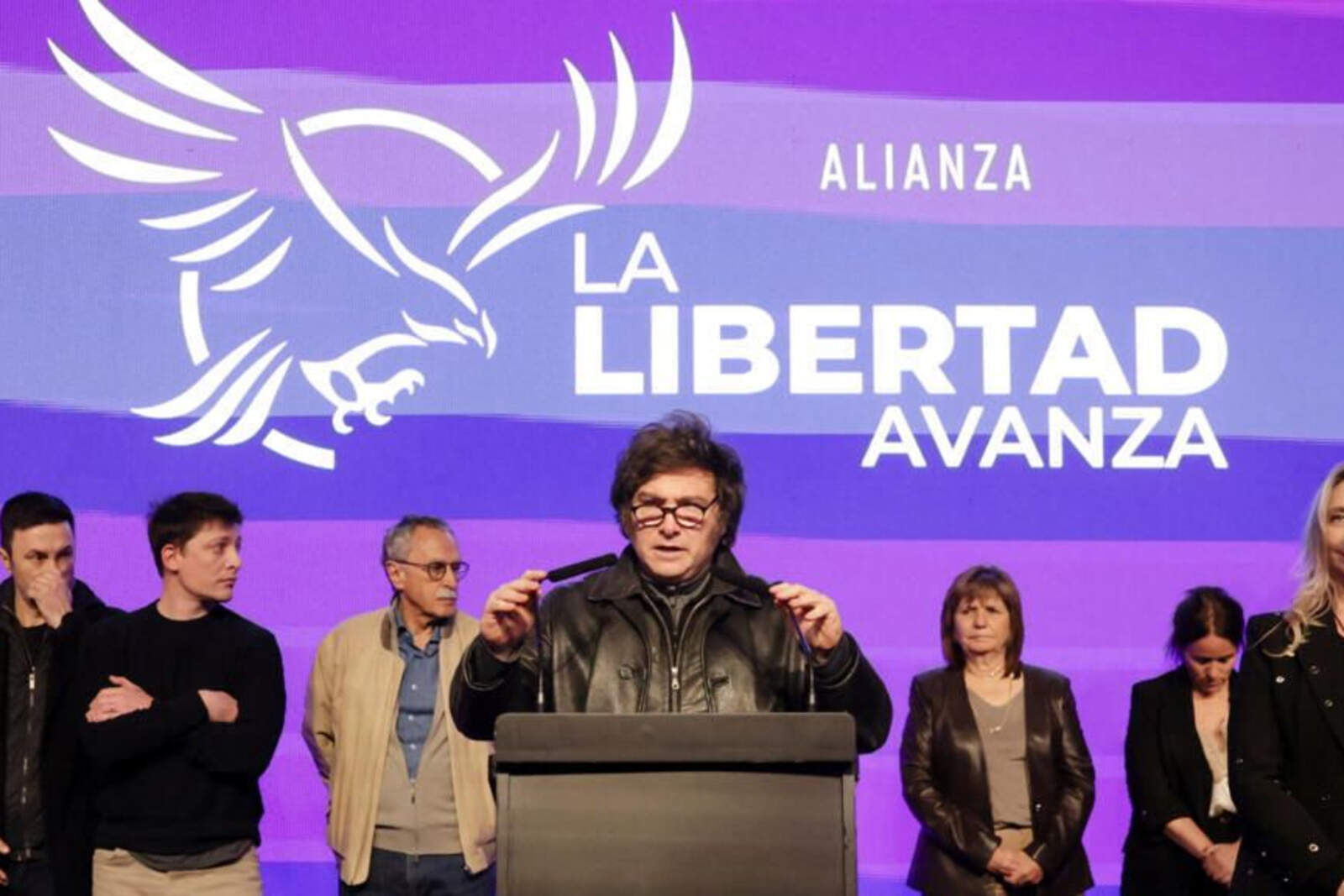
The elections in Buenos Aires province—Argentina's most populous district and a historic stronghold of Peronism—ended with a defeat for President Javier Milei.
For many analysts, this seemed like a heavy blow for the government. However, Milei knows very well that politics must be read on a deeper level: an electoral defeat doesn't mean the end of a project.
Milei's message: firmness and determination
What characterizes Milei is precisely his refusal to yield under pressure. Far from diluting his positions, the president made it clear that Argentina's transformation is non-negotiable. "The economic course will not change, it will deepen," he declared after the results were announced. He emphasized: "We will not retreat even a millimeter. Not only will we continue on our path, but we will accelerate it."
This attitude should not be read as stubbornness, but as consistency. Argentina has suffered for decades from the deterioration caused by statist and populist policies. A provincial election can't and should not alter a course of reforms that is already showing its first results: a fiscal surplus for the first time in more than a decade, a sharp reduction in inflation, and the beginning of the dismantling of an oversized state.
Reform is the only way
The result in Buenos Aires was accompanied by financial turbulence: falling stocks, a weakened peso, and nervous markets. However, the real danger for Argentina would not be Milei's insistence on reforms, but a deviation from the current path. Investors, citizens, and international partners demand clarity. Only with more liberalization, deregulation, and fiscal discipline will the country be able to escape its historic cycle of crises.
Argentina's role in the world
Under the leadership of Milei, Argentina has positioned itself strongly on the international stage. From its rejection of the invitation to join BRICS in December 2023, to its defense of the family as an essential institution—at times with more clarity than European leaders like Viktor Orbán—his government has drawn a clear line. At the same time, it combats the globalist agenda and the radical ideas that also affect Argentina.
The signal is unequivocal: Argentina seeks openness and integration, and will defend the values of economic freedom against authoritarian models. A setback in Buenos Aires doesn't alter this new global projection.
A test of leadership—and a message to the world
For Milei, this election was not the defeat of a vision, but the test of his determination. His response leaves no doubt: the course is set and will be followed with greater intensity. Argentina is at the beginning of a historic transformation. The attempt to rebuild the nation on the foundations of freedom and responsibility doesn't depend on electoral whims, but on the survival and destiny of the country.
During my visit to Argentina in the first year of his term, I was able to perceive the hope that remains alive. Many rural families, workers from productive provinces, and above all, young people continue to support this project. A taxi driver told me: "It's going to be tough, but this is the last chance and the last hope we Argentines have. Socialist ideas destroyed this country and brainwashed many so they would keep voting for them, but now people have put a stop to it. Difficult months and years will come, but the hope of leaving a better country to my grandchildren is the reason why I support Milei."
Javier Milei has demonstrated leadership and political responsibility. The ideas that brought him to the presidency—economic liberalization, the fight against inflation, breaking with the corruption of the political establishment, and the reduction of the state with his "chainsaw plan"—remain in force and will continue at the center of his government.
This should be a lesson for many European leaders: you can't govern based on polls or focus groups and betray voters. In Europe, too many politicians go back and forth just to win one more vote; meanwhile, from South America comes a clear message: ideas must be defended and values are not negotiable. At the end of the day, a defeat doesn't mean a withdrawal.