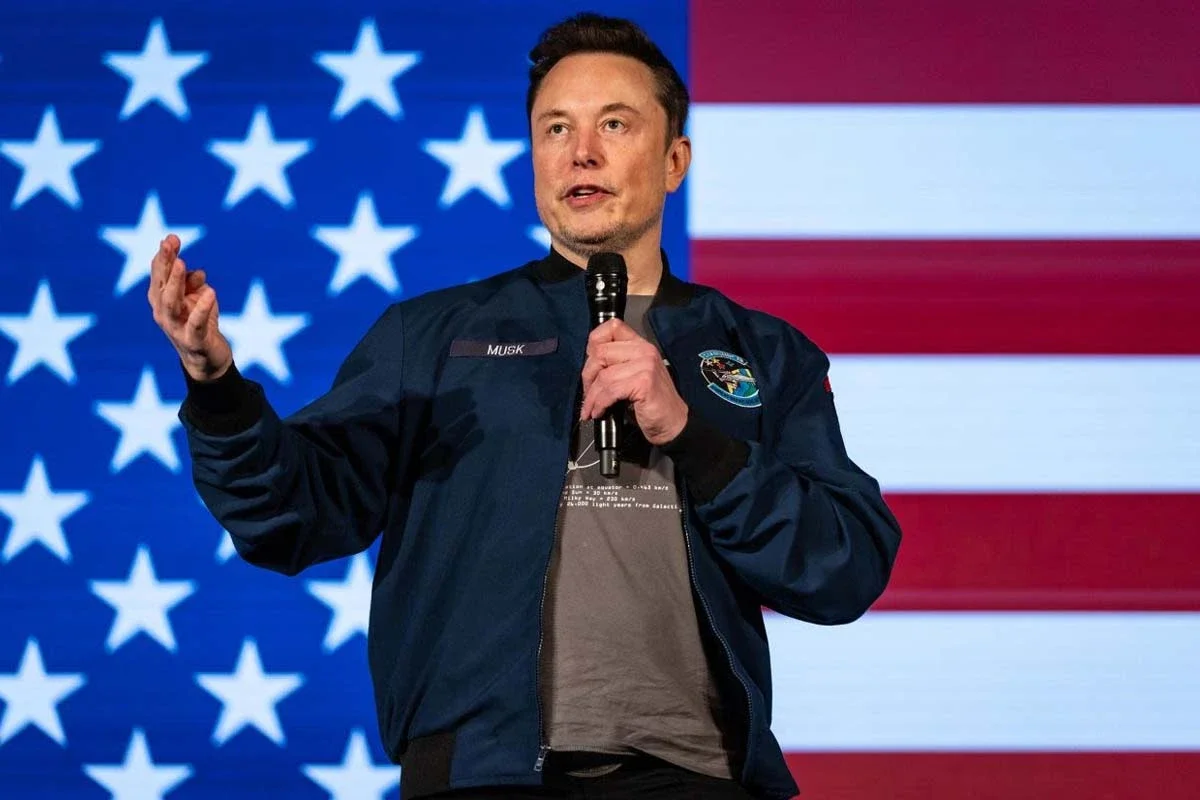
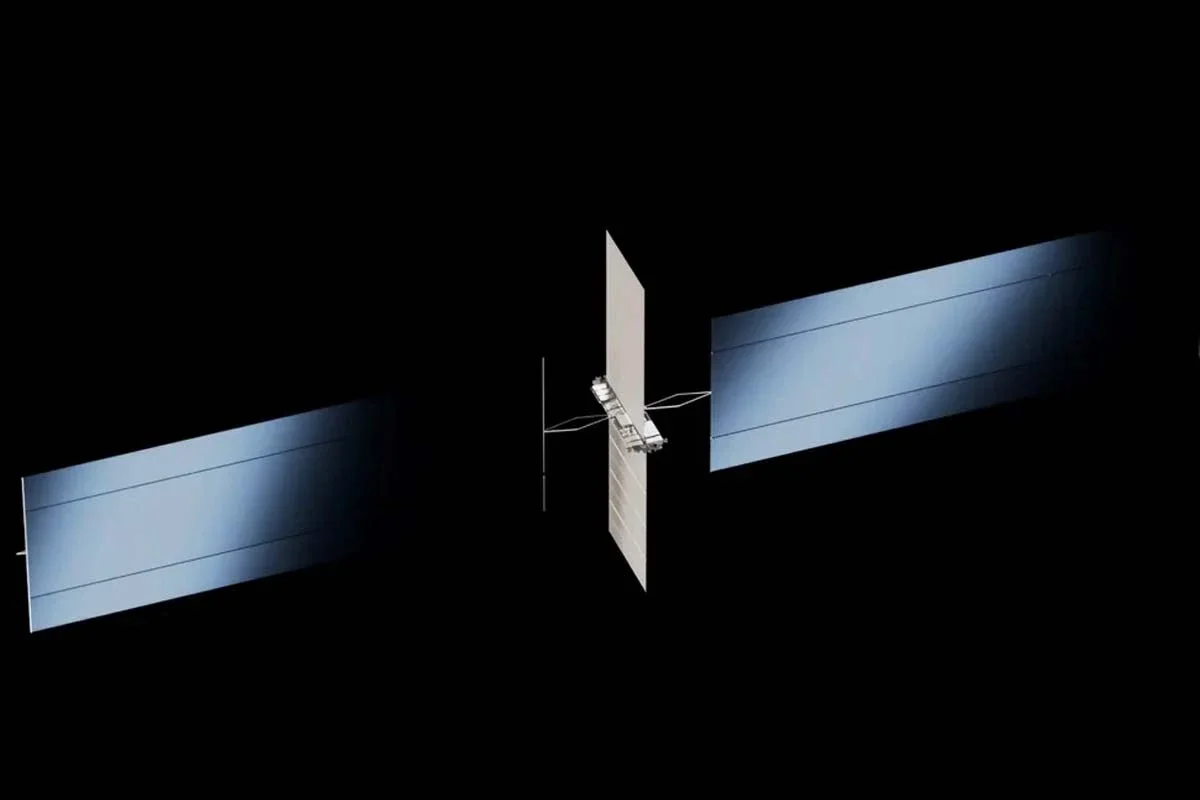
Elon Musk once again surprised with a proposal that could redefine the future of artificial intelligence and global technological infrastructure. The founder of SpaceX revealed new details about his project to deploy a gigantic network of satellites capable of processing data using AI directly in orbit.
The initiative was presented during a talk broadcast on X and is part of the growth strategy that the company aims to showcase to investors in its anticipated initial public offering. The goal is to create space data centers that expand computing capacity beyond the physical limits of Earth.
Elon Musk surprised again with a proposal that could redefine the future of AI
What SpaceX's artificial intelligence satellites would be like
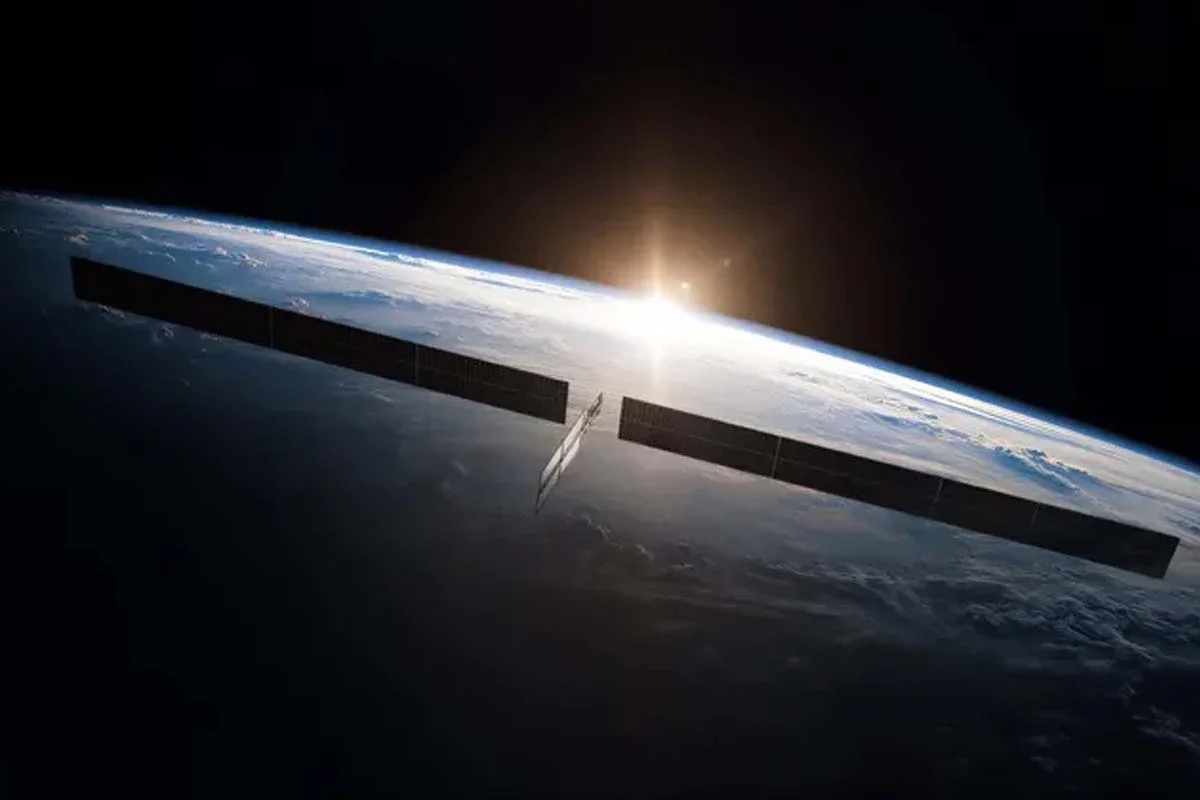
According to Musk, the future satellites will be equipped with large amounts of solar panels, cooling systems, and laser optical links to communicate with each other at high speed.
The idea is for them to function as true data processing centers in orbit. Each unit would have banks of chips specialized in AI connected via laser links, allowing real-time information sharing.
Additionally, data could be sent to Earth through antennas or low-latency optical connections, reducing response times.
How would SpaceX's artificial intelligence satellites be?
One million satellites
One of the most striking aspects of the project is the scale envisioned by the entrepreneur. Musk stated that the system could grow to reach one million operational satellites in space.
To sustain such infrastructure, SpaceX plans to use future versions of its Starship and Super Heavy rockets, currently in the testing phase.
One million satellites: Musk's most ambitious goal
Each satellite would generate around 150 kW of maximum power and about 120 kW consistently, figures necessary to power the complex artificial intelligence processing systems.
The Starlink technology as a starting point
Musk stated that much of the necessary technologies have already been developed for the future Starlink V3 satellites.
"A large part of this technology we already built for Starlink," the entrepreneur explained. According to his vision, turning that experience into a constellation dedicated to AI does not represent an impossible technical challenge for the company.
The technology of Starlink as a starting point
Currently, the Starlink network exceeds 10,000 operational satellites, making SpaceX the operator with the most experience in large-scale space constellations.
SpaceX's bet on orbital data centers
The project arises amid the explosive growth of artificial intelligence and the increasing demand for computing capacity.
SpaceX's bet on orbital data centers
Many tech companies warn that terrestrial data centers face limitations in space, energy consumption, and resource availability. In light of this scenario, several companies have begun exploring alternatives in orbit.
SpaceX is not alone in this race. Tech giants like Google, Microsoft, and Blue Origin are also analyzing projects related to space data centers, while specialized startups are trying to position themselves in a market that could move billions of dollars over the next decade.