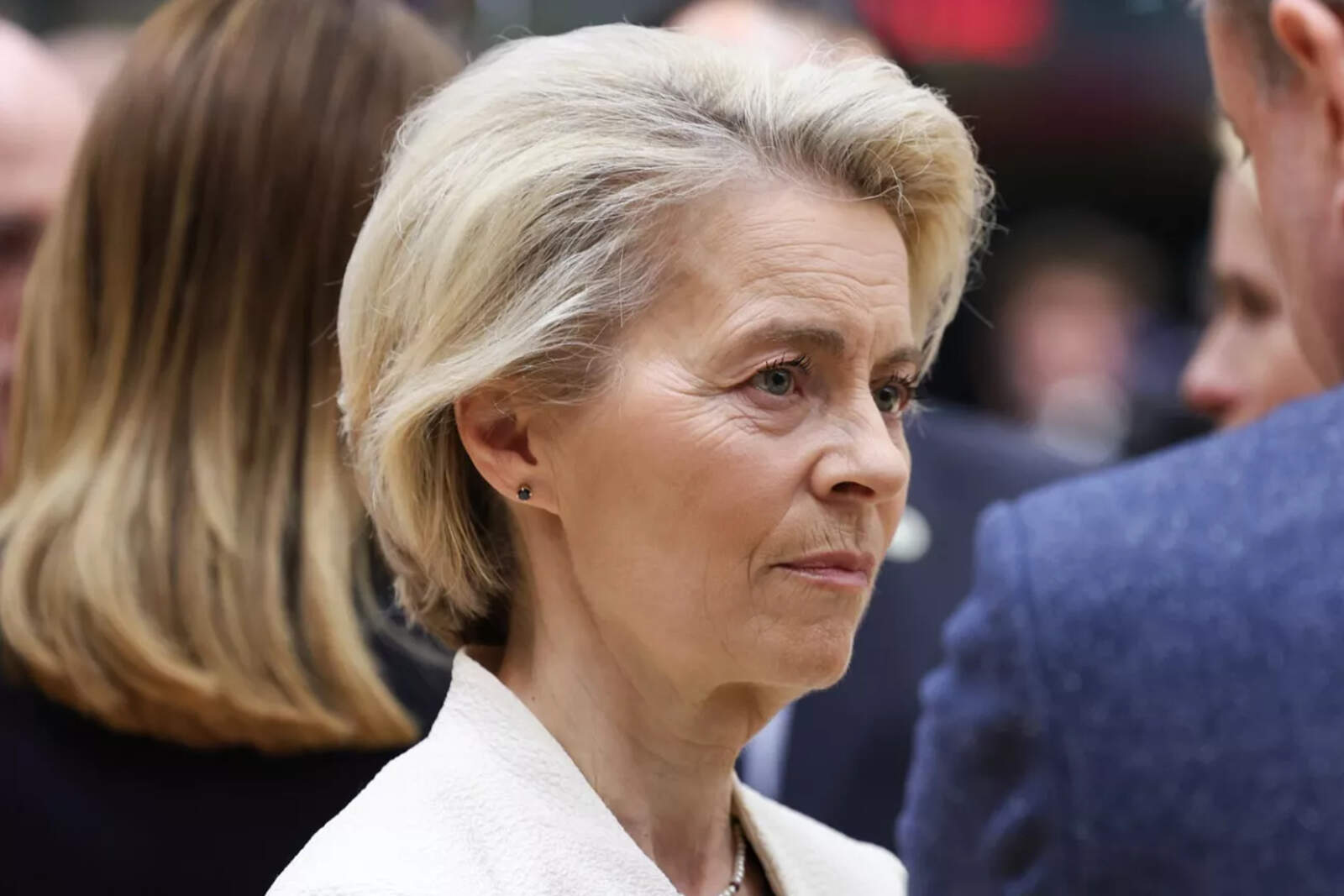
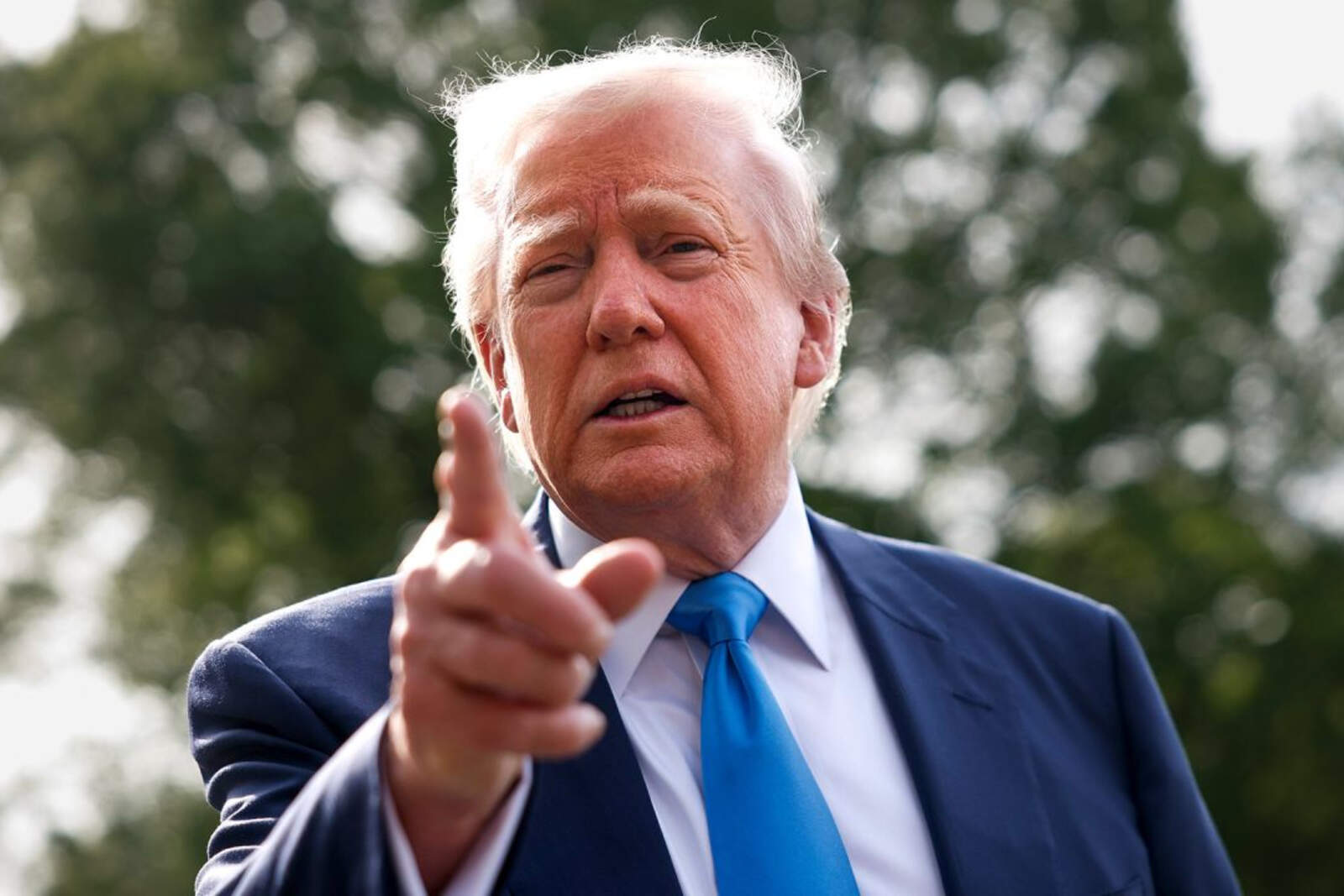
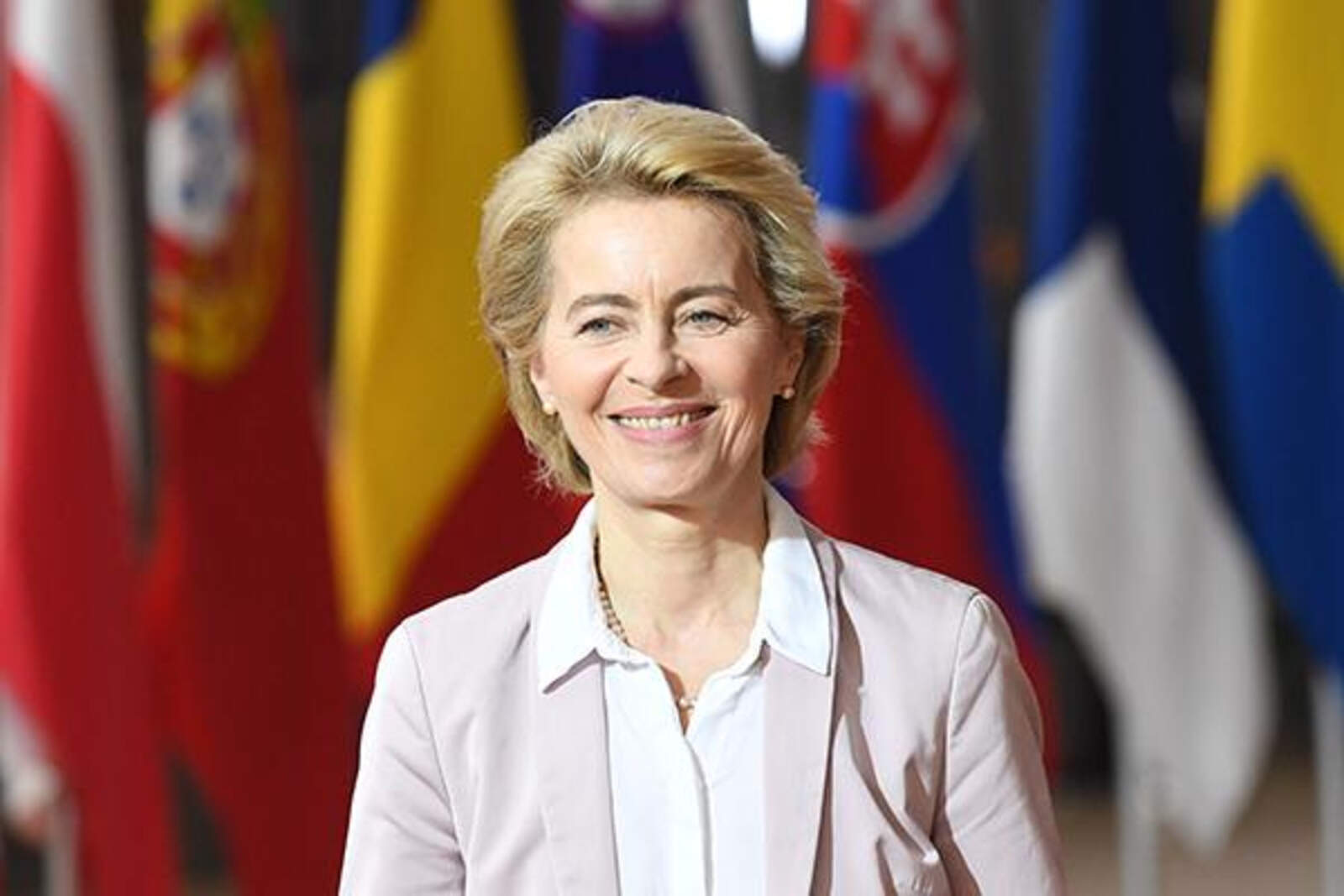
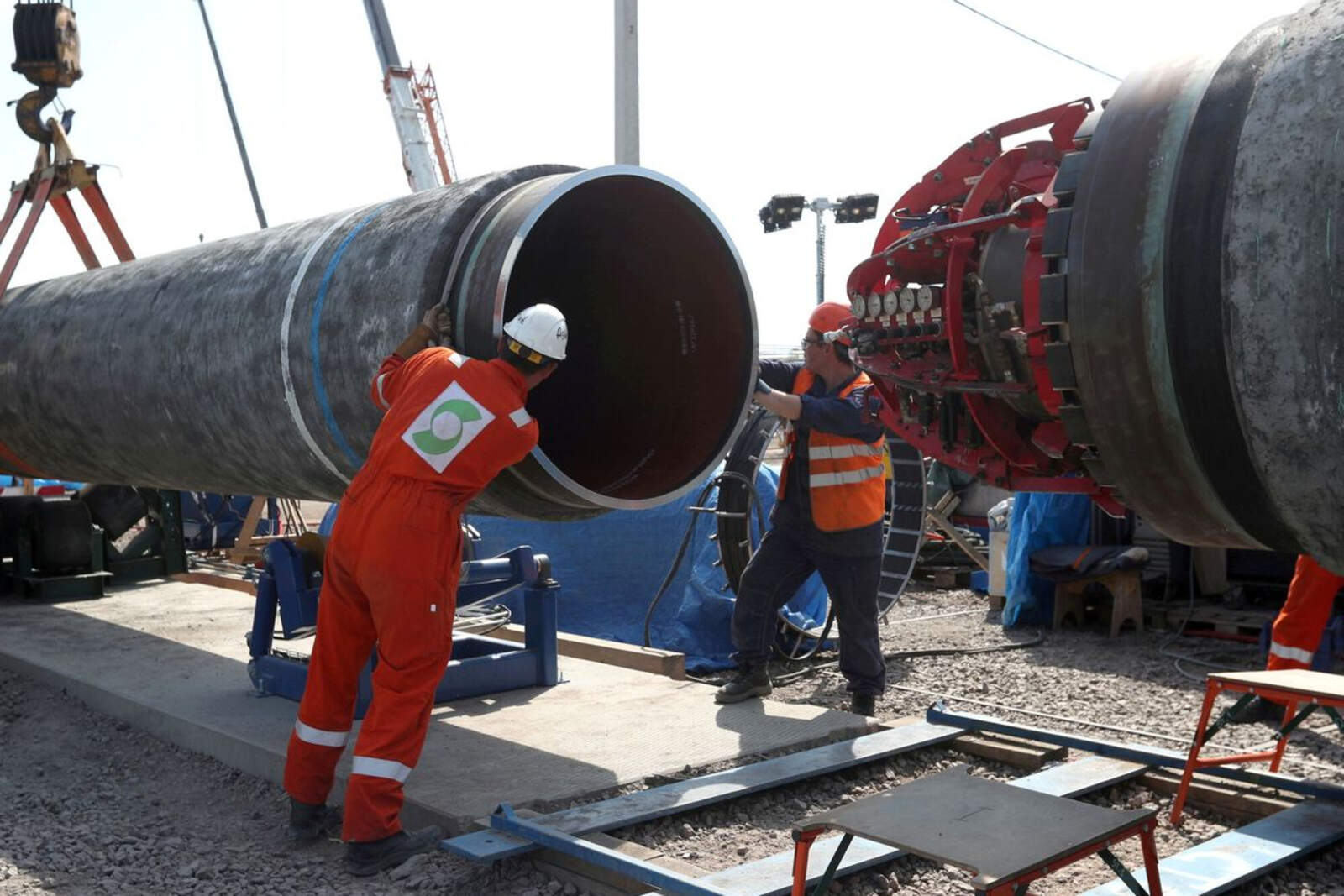
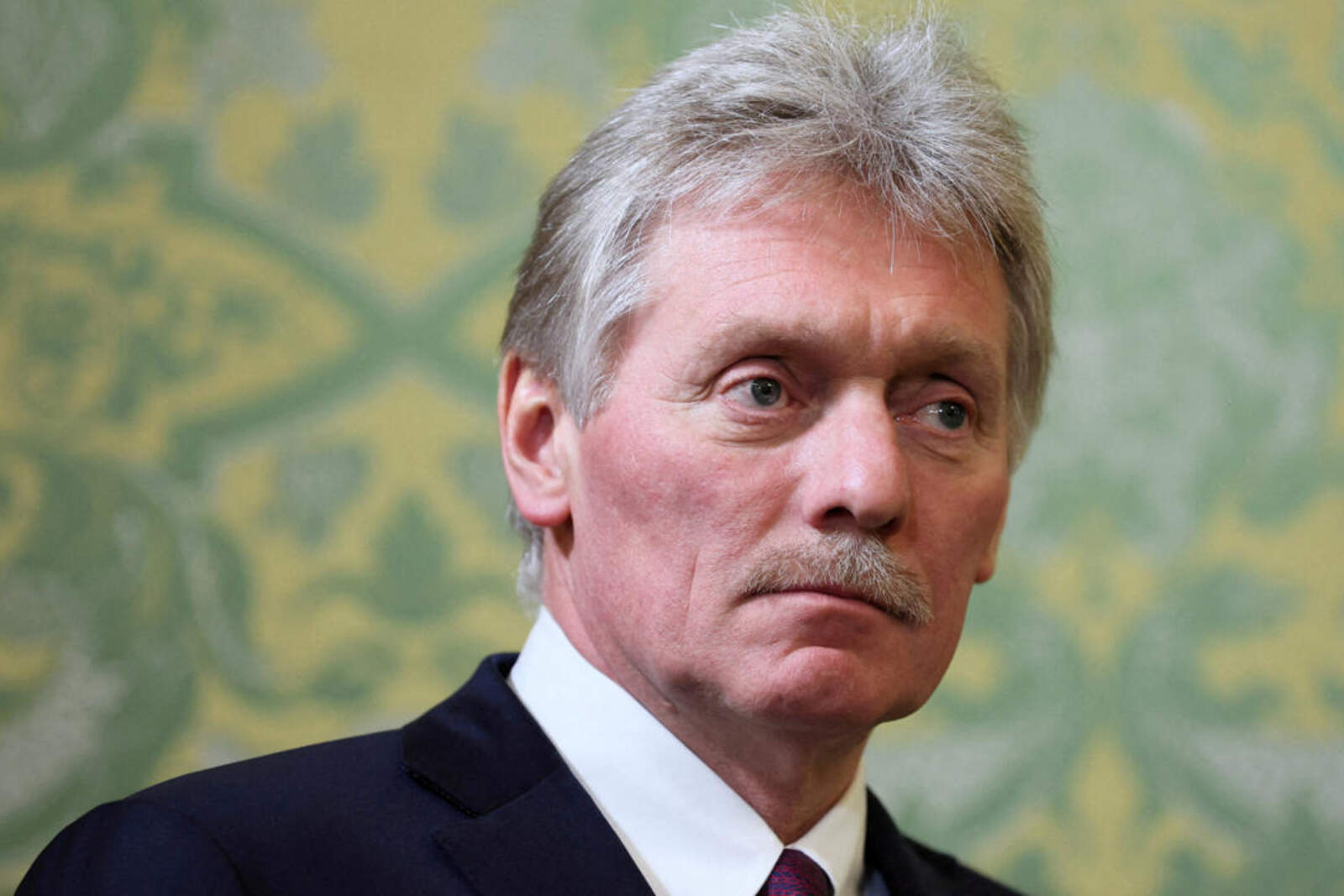
The President of the European Commission, Ursula von der Leyen,categorically ruled out the possibility of Europe resuming the purchase of Russian fossil fuels even after the end of the war in Ukraine. In a speech before the European Parliament in Strasbourg, she described that option as "a mistake of historic proportions" and stated emphatically: "The era of Russian fossil fuels in Europe is coming to an end." This statement comes amid a complex international context, where U.S. President Donald Trumpis promoting an imminent peace agreement between Russia and Ukraine. The White House has shown openness to Kremlin narratives, including territorial claims over Crimea and other occupied areas, which has raised concerns about a possible return of Russian energy to the European market as part of a high-level negotiation. Esta decisión se da en el contexto de que el presidente Trump negocia un acuerdo de paz entre Ucrania y Rusia For decades, Russia was the main energy supplier to the European Union, but that relationship collapsed after the intensification of the war in Ukraine with Moscow in February 2022. Since then, the EU has imposed unprecedented sanctions, including bans on imports of coal and seaborne oil. However, some gaps still persist, such as the purchase of liquefied natural gas (LNG), which even increased in volume in 2024. According to the Center for Research on Energy and Clean Air (CREA), EU imports of Russian LNG grew by 9% in 2024 compared to the previous year, generating key revenues for the Russian budget. France,Spain and Belgium were the main buyers. Currently, Russia relies on the EU for 52% of its revenues from LNG exports. España, Bélgica y Francia ha sido los mayores compradores de energía rusa en los últimos años Despite efforts to reduce this dependency, in 2023, member states spent 23 billion euros on Russian energy, a figure higher than the military assistance provided to Ukraine. In response, the European Commission presented an ambitious roadmap to completely eliminate purchases of Russian energy, including gas, pipeline oil, and nuclear materials, by the end of 2027. This plan includes legal measures to allow European companies to break long-term contracts with Russian suppliers, invoking "force majeure" causes. La Unión Europea gastó más de 23 mil millones de euros en energía rusa en 2023 Many of these contractual relationships operate under "take or pay" terms, which could lead to financial penalties or legal disputes in international courts. The proposals will not require unanimity, like sanctions, but only a qualified majority of the bloc, which could facilitate their implementation. Starting in June, the European Commission will also propose a ban on signing new contracts or spot purchases ("spot") of Russian gas before the end of 2025. Additionally, it will require member countries to develop national plans to replace Russian oil, gas, and uranium, as well as other nuclear materials. Although Russian gas imports fell from 45% in 2021 to 19% in 2024, and oil imports dropped from 27% to 3%, more than 14% of the uranium used in the EU still comes from Russia. The Commission considers this energy dependency a threat both economically and strategically, as it finances the Kremlin's war effort. Von der Leyen acusó a Rusia de no ser un proveedor fiable Von der Leyen insisted that energy independence is essential to ensure a just and lasting peace. "Russia has repeatedly shown that it is not a reliable supplier," she stated, recalling previous supply cuts that occurred in 2006, 2009, 2014, 2021, and during the current war. The European Energy Commissioner, Dan Jørgensen, reiterated that even if a peace agreement were reached, it would be a mistake to rely on Russia again. "Since February 2022, we have spent more on buying Russian fossil fuels than on militarily supporting Ukraine. That can't continue," he warned. The Kremlin has criticized the measures, arguing that they harm Europe more than Russia. Spokesman Dmitry Peskov stated that "Europe is shooting itself in the foot" by giving up a cheap and predictable energy source in favor of more expensive options, such as U.S. LNG. El portavoz de Rusia señaló que esta sería un muy mala medida para Europa The European Commission also plans measures against the "shadow fleets" used by Russia to evade oil sanctions, as well as levies on Russian enriched uranium. Brussels is confident that new LNG projects in the United States and Qatar, along with the expansion of renewable energies and efficiency improvements, will allow for the complete replacement of Russian energy without destabilizing prices.