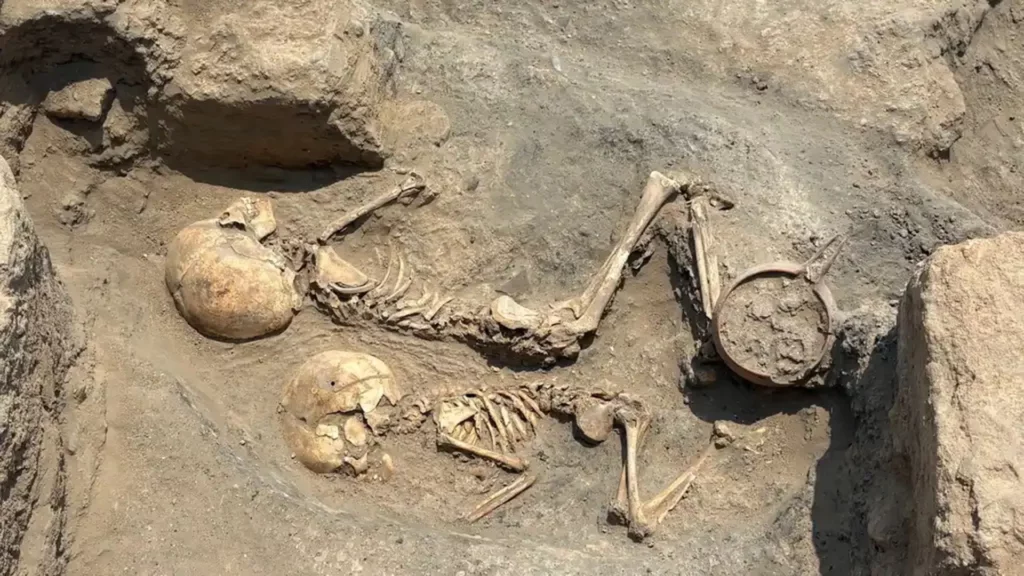

In a finding that surprises the scientific community, archaeologists discovered clear signs of trepanation in the skull of a five-year-old child who lived approximately 4,000 years ago in southern Uzbekistan.
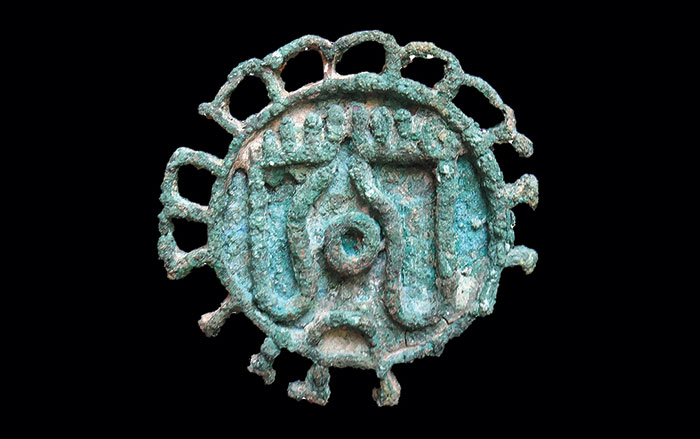
The remains were unearthed at the Oxus settlement of Djarkutan, where the boy was buried alongside another smaller child. The international team, composed of researchers from the University of Salento, Termez State University, and the Samarkand Archaeological Institute, confirmed that the procedure was performed with stone or bone tools.
This practice, known as trepanation, involved creating a hole in the skull. In this case, it may have been done to treat issues such as epilepsy, migraines, or behavioral difficulties, although the exact reasons are still under investigation.
The discovery provides valuable data about the medical capabilities of ancient Central Asian societies during the Bronze Age.
An Unthinkable Procedure for the Time
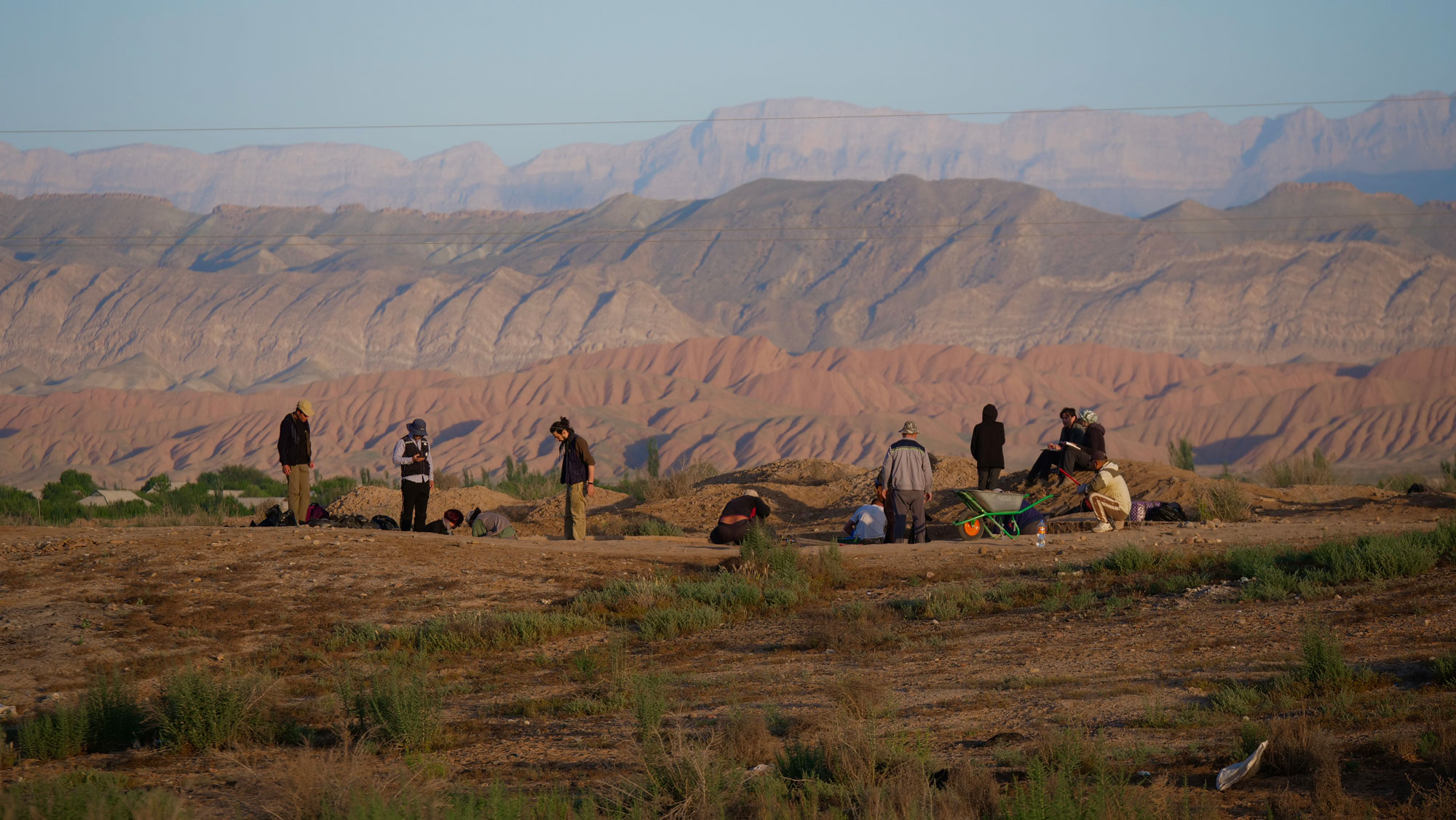
Enrico Ascalone from the University of Salento emphasized the importance of the finding: “Djarkutan continues to surprise us. A cranial trepanation on a child, 4,000 years ago, in Central Asia: until yesterday, it was unthinkable. Today it is in our data.”
Specialists continue to analyze the remains of the child and the context of the site to understand who performed the surgery and why it was done on someone so small. The precision of the work suggests a deep knowledge of anatomy and advanced surgical techniques for its time.