The Bolivian judiciary issued a second arrest warrant against the former dictator. The investigation for alleged aggravated human trafficking is now joined by a case related to terrorism, armed uprising, and other crimes associated with the blockades that paralyzed Bolivia during May and June
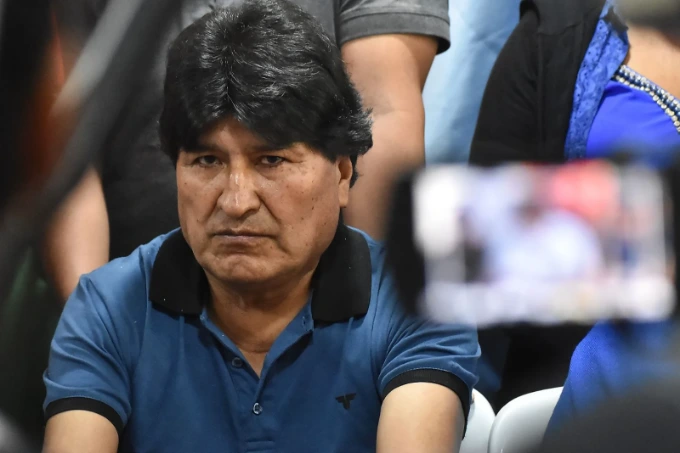
The former dictator of Bolivia, Evo Morales, has two arrest warrants issued by the Bolivian Justice for different cases related to aggravated human trafficking, while the second was issued this week by the Prosecutor's Office in the context of the roadblocks that occurred between May and June of this year, in which he is attributed crimes such as terrorism, armed uprising against the sovereignty of the State, public instigation to commit crimes, and criminal association.
These blockades were also interpreted as a attempted coup against the constitutional government of Rodrigo Paz by the former dictator Evo Morales and his followers.
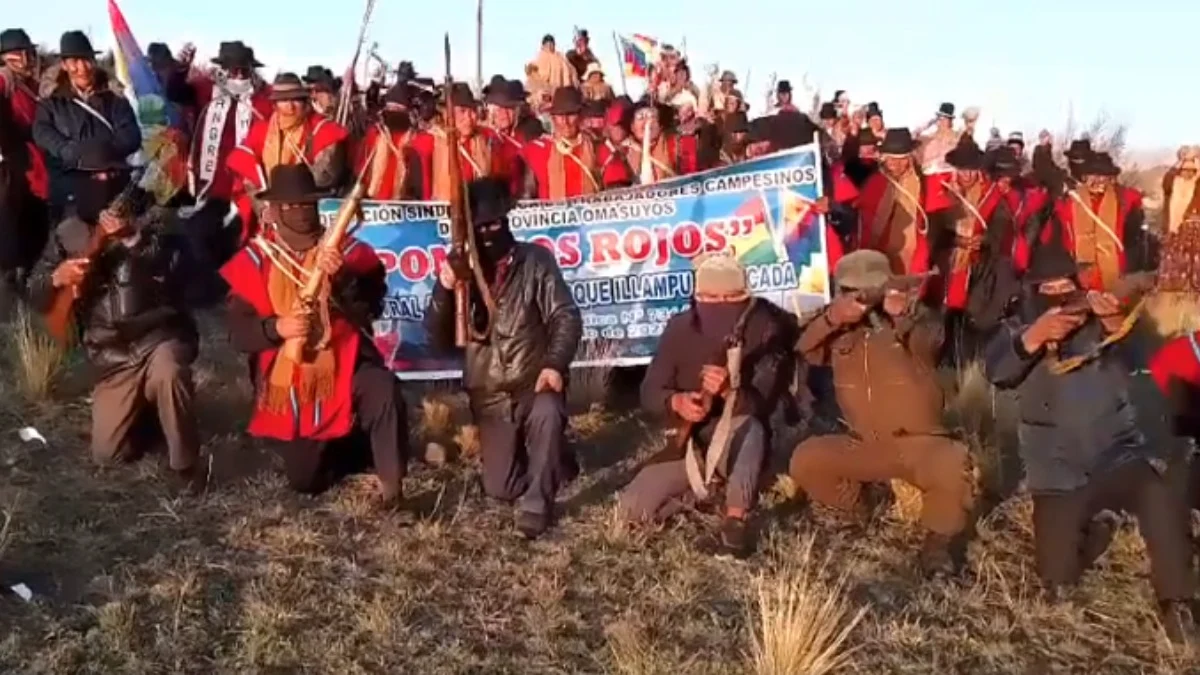
Bolivian terrorists linked to Evo Morales
The new arrest warrant was issued by the Prosecutor's Office of Santa Cruz after several months of investigation into the blockades promoted by sectors aligned with the former dictator. The protests caused the closure of strategic routes for more than fifty days, generating significant economic losses, shortages in various regions of the country, and clashes that left at least 22 people dead and dozens injured.
This new case adds to the process for alleged aggravated human trafficking that was already pending against Morales and for which Justice had previously ordered his capture. According to the investigation, the former dictator is accused of maintaining a relationship with a minor, a case that remains open and led to an arrest warrant after he failed to appear before Justice when summoned.
The former dictator Evo Morales alongside a minor
The Bolivian government defended the actions of the Prosecutor's Office and stated that the investigations respond exclusively to facts that could constitute crimes defined in national legislation. The authorities maintain that the blockades caused serious harm to the population and that it is up to Justice to determine the individual responsibilities of those who promoted the protests.
The accumulation of two arrest warrants places Evo Morales in an increasingly complex judicial situation. While investigations continue for both cases, the Police maintains the arrest warrant in effect and the Prosecutor's Office assured that it will proceed with the necessary actions to ensure that the former president appears before the courts.
The outcome of these cases could have a strong impact on the political landscape in Bolivia, where Morales continues to be one of the most influential figures in the country despite the judicial processes he faces.