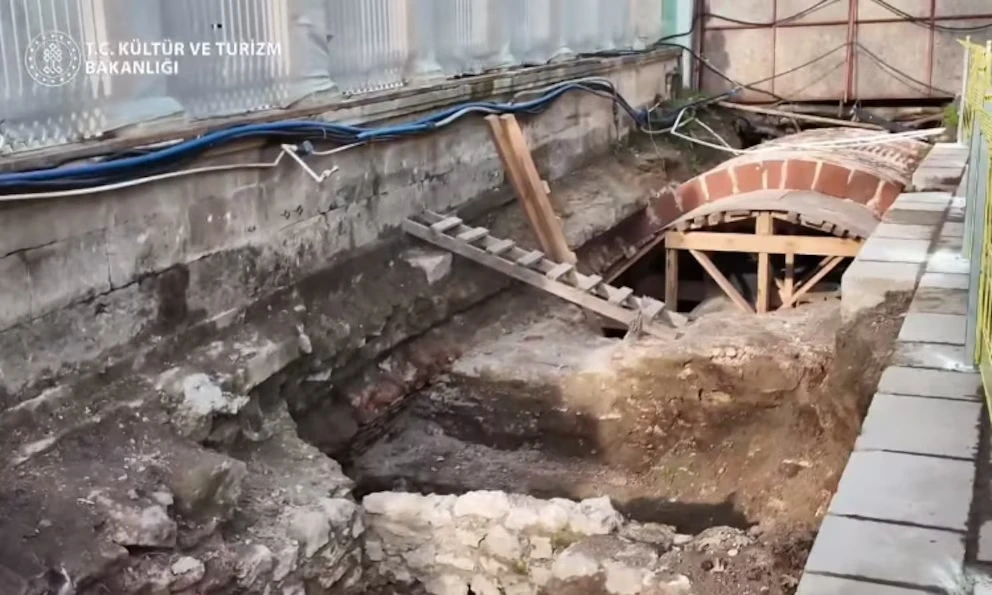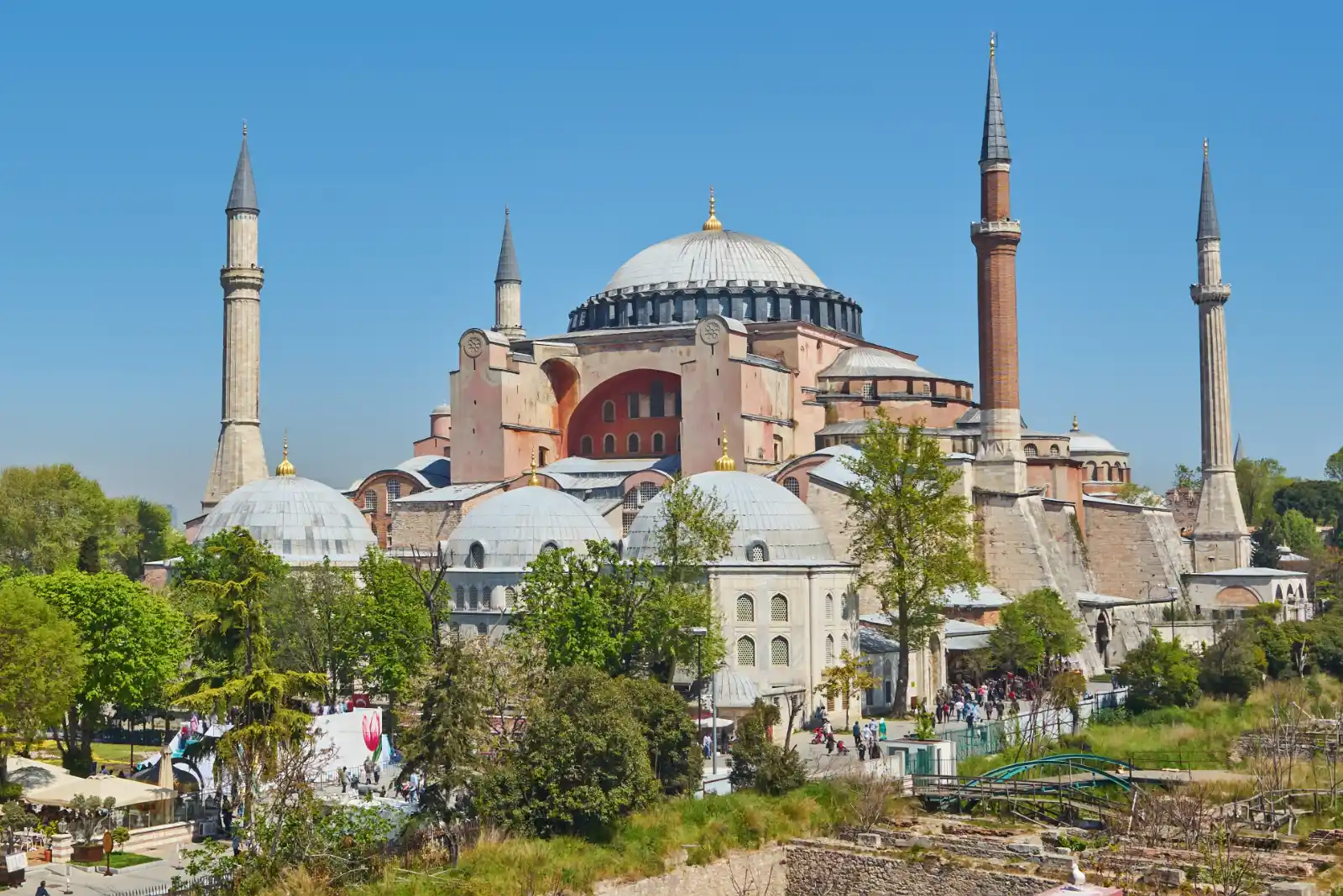

An important archaeological restoration project has recovered an extensive network of tunnels beneath Hagia Sophia, one of the most emblematic monuments in Istanbul, Turkey. Specialists removed nearly 3,000 tons of earth and debris and cleared 420 meters of underground passages.
The excavations also allowed for the identification of architectural remains that could correspond to a stage prior to the construction of the current Hagia Sophia, completed in 537 during the reign of the Byzantine Emperor Justinian I.
The Turkish Minister of Culture and Tourism, Mehmet Nuri Ersoy, toured the underground facilities on November 20, accompanied by specialists involved in the restoration program.
A funerary structure that could predate Hagia Sophia
One of the most significant findings occurred in the area known as the Vezir garden, where researchers conducted excavations in a hypogeum, an underground structure intended for funerary uses.
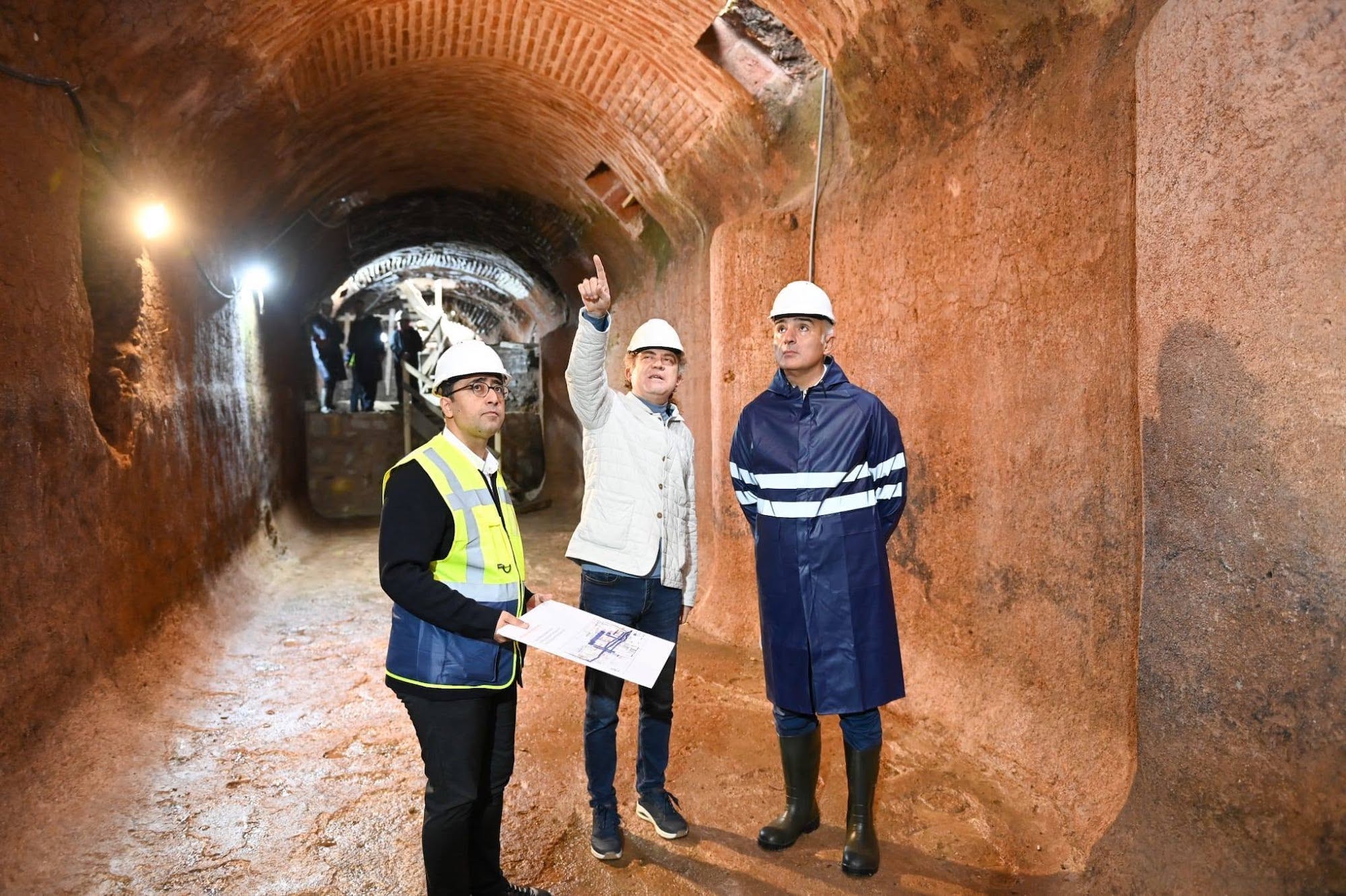
The archaeologists descended approximately one and a half meters below the previously identified ground level, which allowed for the discovery of remains corresponding to an earlier construction phase.
The main chamber is approximately eight meters long by eight meters wide and features two conduits extending to the east and west.
Cleaning work on the eastern conduit, about 25 meters long, has already been completed, while excavations continue in the western sector.
Researchers believe that some of the architectural remains could predate the building inaugurated by Justinian I in the sixth century. However, a definitive dating that would confirm this hypothesis has not yet been announced.
The current Hagia Sophia was built between 532 and 537 on land where other Christian temples had previously existed.
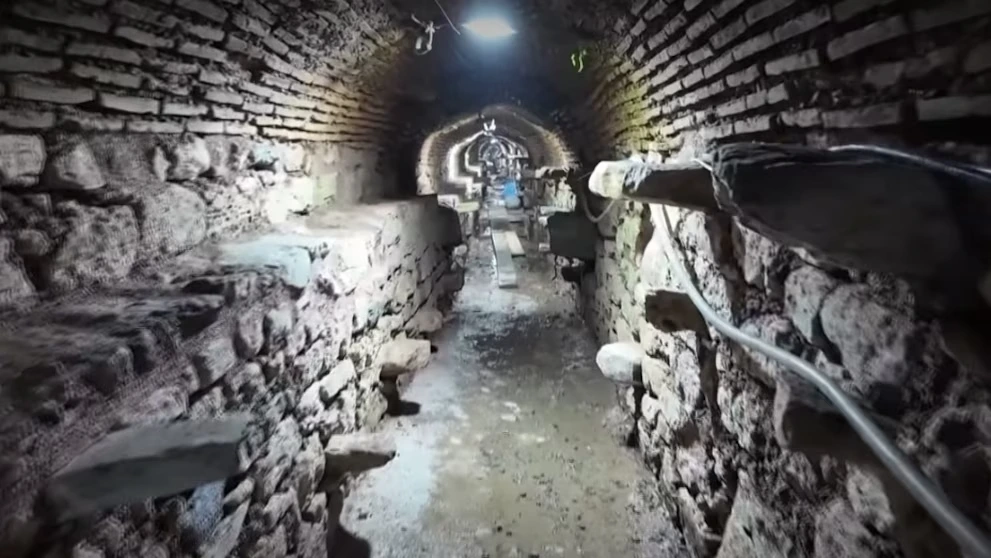
An extensive network of tunnels beneath ancient Constantinople
In the western garden, specialists identified six underground spaces connected by nine tunnels. Seven of these passages have already been cleared, while the other two are in the documentation process.
The longest tunnel reaches 180 meters and runs parallel to the entrance facade of Hagia Sophia.
Its location has sparked special interest among researchers, who are analyzing whether it may have been connected to an ancient Roman road in Constantinople.