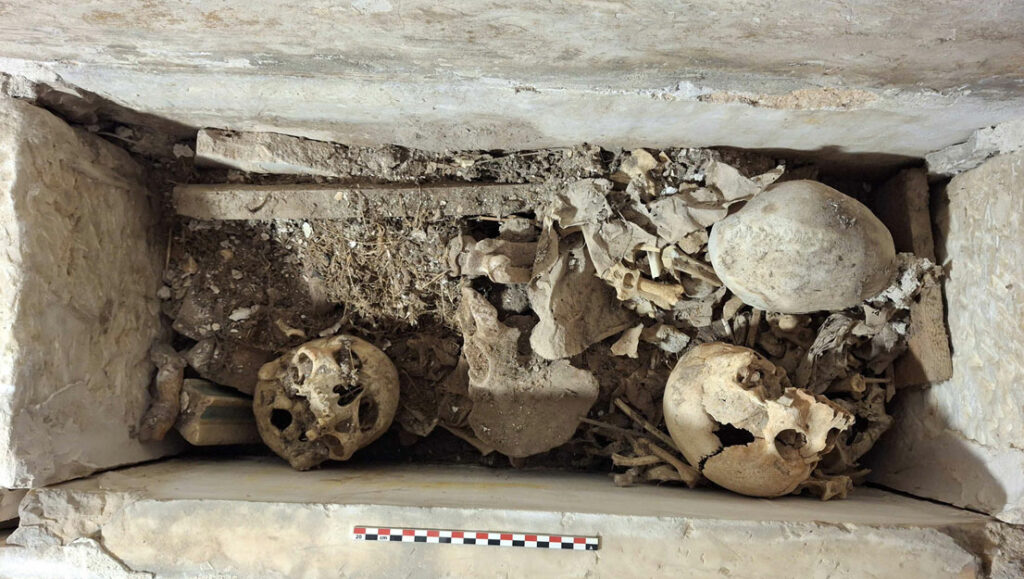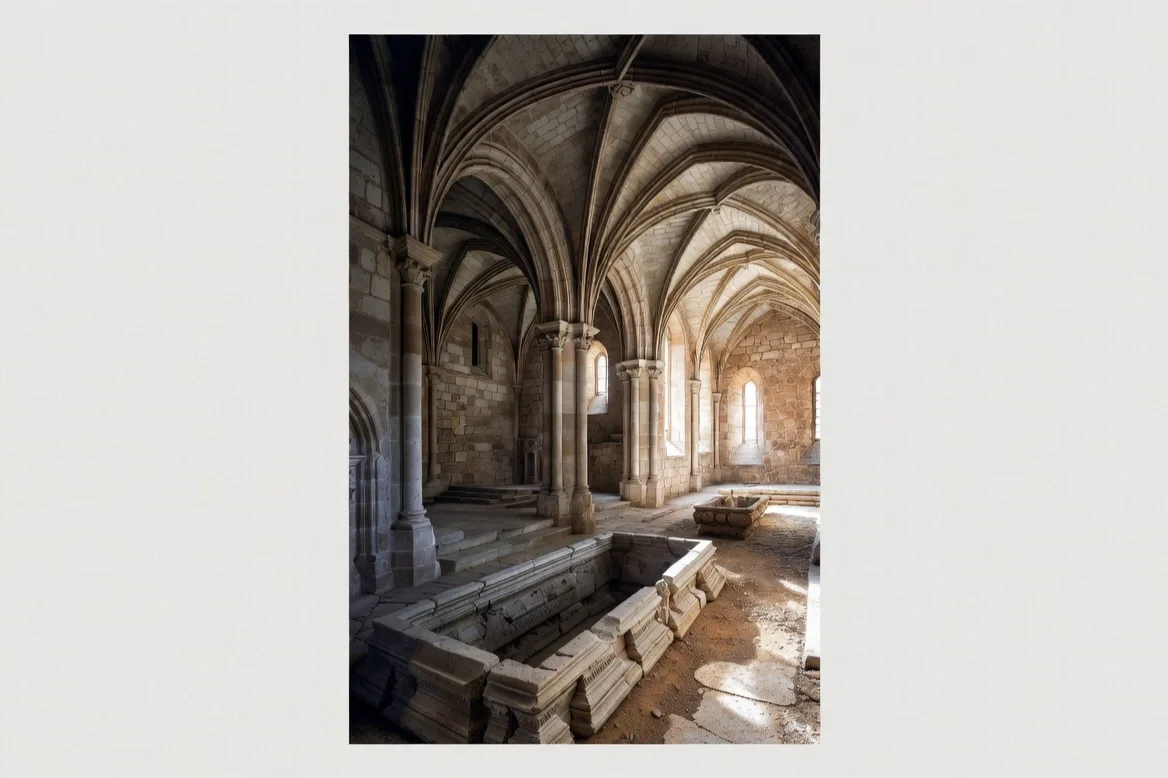

In Barcelona, a team of scientists from the Institute of Culture conducted an exhaustive study of 25 skeletons found in eight graves at the Royal Monastery of Santa Maria de Pedralbes. This monastery, founded in the 14th century, has a direct connection to Queen Elisenda de Montcada, who established it and spent her last years there.
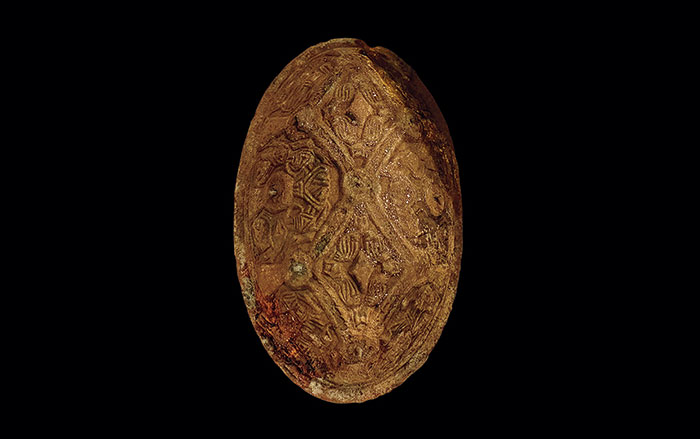
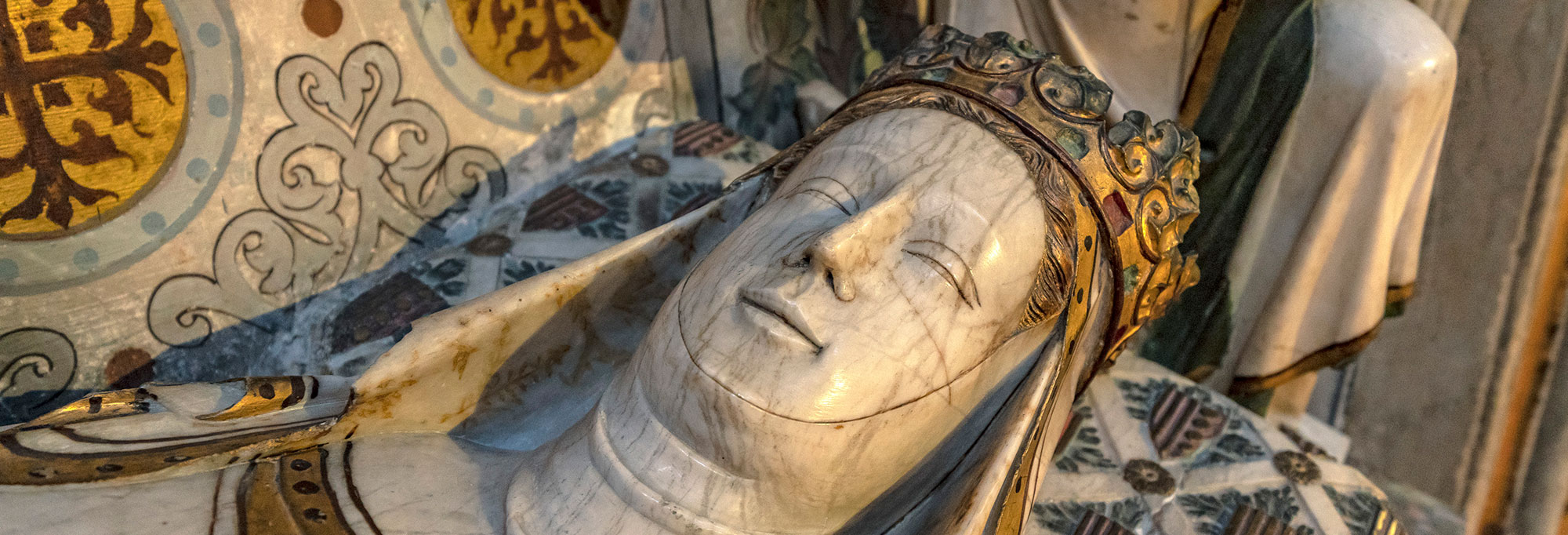
Queen Elisenda settled in a small palace next to the monastery after the death of her husband, James II. When she passed away in 1364, at approximately 70 years old, her remains were placed in a narrow wooden coffin, dressed in monastic habit, accompanied by a silk textile embroidered in gold and aromatic herbs.
The researchers analyzed the bones of the queen and also focused on the graves of the first abbesses of the place. These findings offer a unique window into life and death in medieval Catalonia.
Injuries and Mysteries in the Abbesses' Graves
In the grave attributed to Sobirana Olzet, considered the first abbess, the remains of a woman show a knife wound on her face shortly before her death. This detail suggests a violent end or a traumatic episode.
The second abbess, Francesca Saportella, niece of Queen Elisenda, had in her grave the remains of nine people buried at different times. Among them were four male skulls with stab wounds and the mummified torso of a pregnant woman. These discoveries raise many questions about who these individuals were and why they shared the space.
In a third grave, supposedly of a knight, the bones of two women and three children appeared. One of the female skeletons still had a long braid attached to the skull, a detail that surprises due to its preservation.