The company's failure is due to the cultural rejection of insect consumption by humans. From its beginnings, Ÿnsect moved among several segments: animal feed, aquaculture, pet food, and human consumption.
The company's financial problems deepened in 2021, when it acquired Protifarm, a Dutch firm dedicated to insects for human consumption. In that context, the then CEO, Antoine Hubert, acknowledged that this segment would not exceed 10–15% of revenues in the medium term.
Entró en quiebra la mayor granja de insectos de Europa
In its best year, which was also 2021, the main subsidiary billed just 17.8 million euros, a figure that, according to public data, was inflated by internal operations between subsidiaries. By 2023, accumulated losses already exceeded 79 million euros, without revenues supporting the growth narrative.
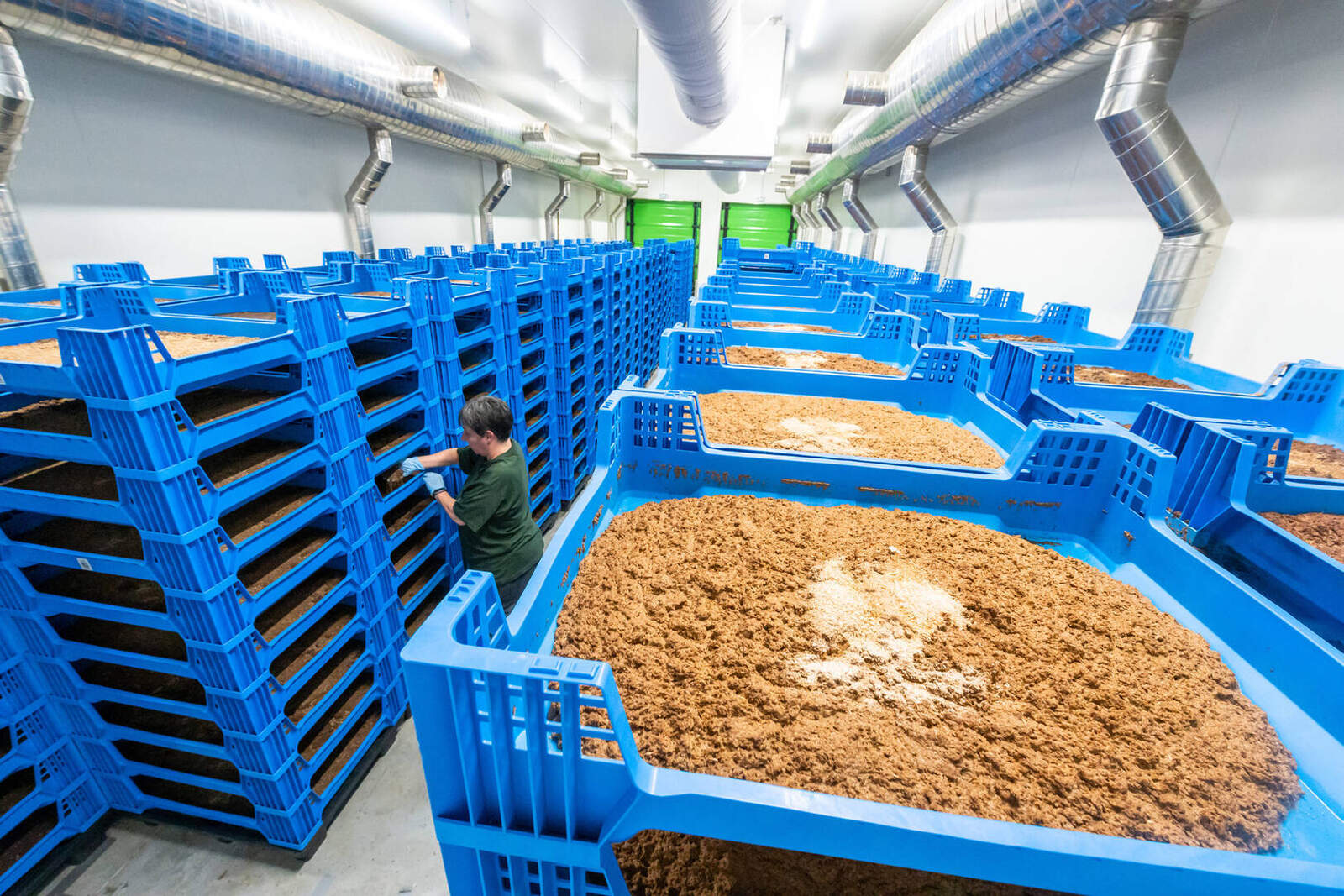
The decisive blow came with Ÿnfarm, a huge industrial plant in northern France, presented by the company itself as the largest and most expensive insect farm in the world. The facility required hundreds of millions of euros before the economic viability of the model was demonstrated, becoming a high-risk bet made prematurely.
To manage that industrial leap, Ÿnsect brought in Shankar Krishnamoorthy, a former Engie executive, who later replaced Hubert as CEO after the failed shift toward pet food. The adjustments came late: plant closures, layoffs, and the sale of non-strategic assets did not manage to sustain an oversized structure.
Finally, the company entered liquidation. Its last CEO, Emmanuel Pinto, indicated that the remaining assets are now for sale, with the expectation that the technical knowledge developed can be reused in other European projects.
Europe's largest insect farm, driven by Agenda 2030, came to an end despite having received hundreds of millions of dollars in public and private funds allocated to the "alternative" food industry project.
The French company Ÿnsect declared bankruptcy and entered judicial liquidation, thus closing one of the most controversial projects, which had been presented as a key piece in the transformation of the European food system, in line with left-wing progressive initiatives promoted by the European Union.
The company's collapse occurred after it had raised more than 600 million dollars in combined financing, coming from both public bodies and private investors.
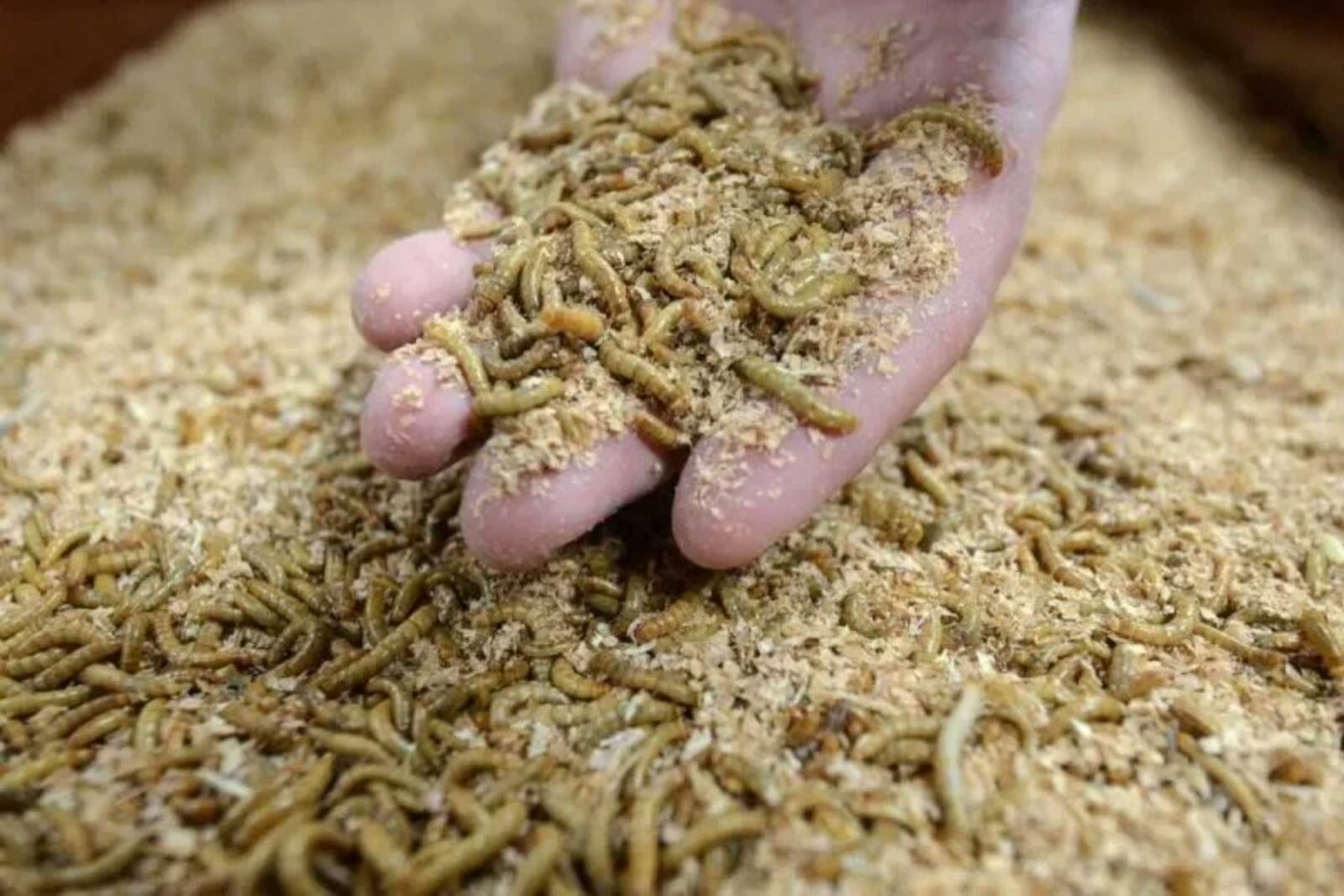
Granja de insectos.
Among the supporters were institutional funds, investors, and international personalities. Even the FootPrint Coalition, driven by actor Robert Downey Jr., backed the initiative, which was promoted on U.S. television during the 2021 Super Bowl. In public funds alone, the company received close to 200 million.
The history of Ÿnsect
Ÿnsect was founded with the promise of producing proteins from insects as a "sustainable alternative" to traditional inputs such as soy or fishmeal.
For years, the startup rapidly expanded its operations and its narrative, which was aligned with European left-wing climate policies. However, that expansion did not manage to translate into a profitable business model. The feed market, which is highly competitive and dominated by price, did not validate the high industrial costs of the proposal.