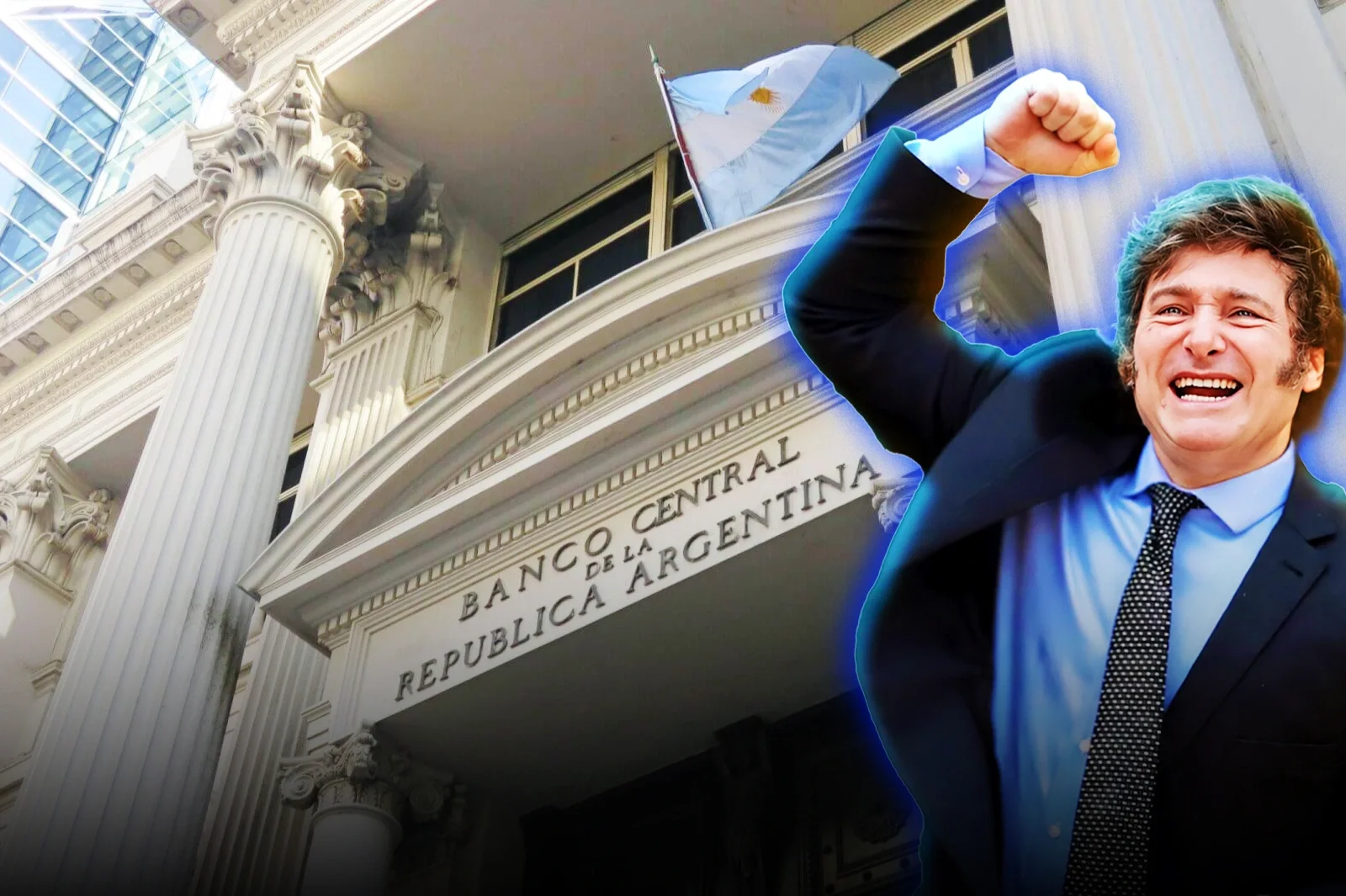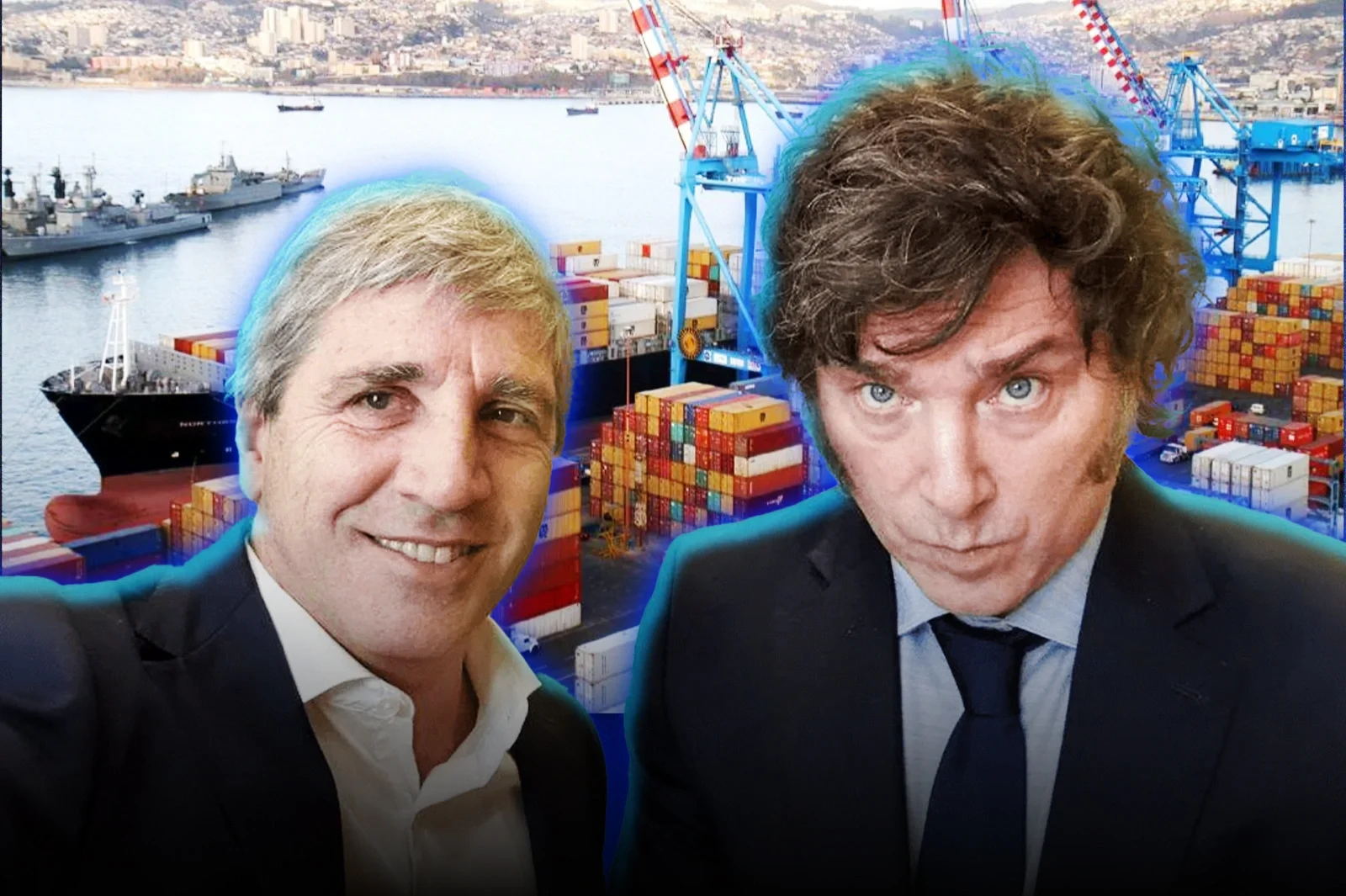

With a high-impact political and symbolic event held at the Yacht Club de Puerto Madero, the Fundación Faro introduced its new spokespersons before an audience filled with leaders, intellectuals, and advocates of liberty. The exclusive coverage by La Derecha Diario stood out as one of the most comprehensive reports on the event, whose main speakers were President Javier Milei, Minister of Economy Luis Caputo, and the foundation's president, Agustín Laje.
The newly announced spokespersons were filmmaker Diego Recalde, and economists Miguel Boggiano and Ramiro Castiñeira, three names with a strong media presence who, according to Laje, "have been fighting the cultural battle for some time, writing books, giving lectures, and defending liberty on all fronts."
"Argentina needs a deep cultural reform"
In his speech, Laje emphasized that the transformation proposed by the Government is not limited to the political and economic spheres, but rather has deeper roots: "If Argentina doesn't embrace the ideas of liberty, liberty's reforms will not last long. That's why Faro's goal is to promote a culture of liberty in the country."
Several of those interviewed by La Derecha Diario echoed this perspective, such as national deputy Bertie Benegas Lynch, who used a powerful metaphor to explain the process: "The cultural battle is like an iceberg: 90% is underwater. Without that invisible base, nothing can be built on top. There is no possible politics without a cultural battle."
The management of 3 de Febrero and voices of support from the country's interior
The event also featured the presence of officials and leaders from various provinces, such as Diego Valenzuela, mayor of Tres de Febrero and candidate for Buenos Aires senator, who contrasted local management with provincial decline:"Kicillof is the face of failure. Meanwhile, our municipality has almost 100% water and sewage coverage, while in José C. Paz they do not even reach 20%. The province must be plugged into the national change."
From Jujuy, councilman Roberto Díaz highlighted the challenge of replicating the efficient management model in other areas of the country, facing traditional political structures and complex realities such as the Bolivian monetary crisis in border areas.