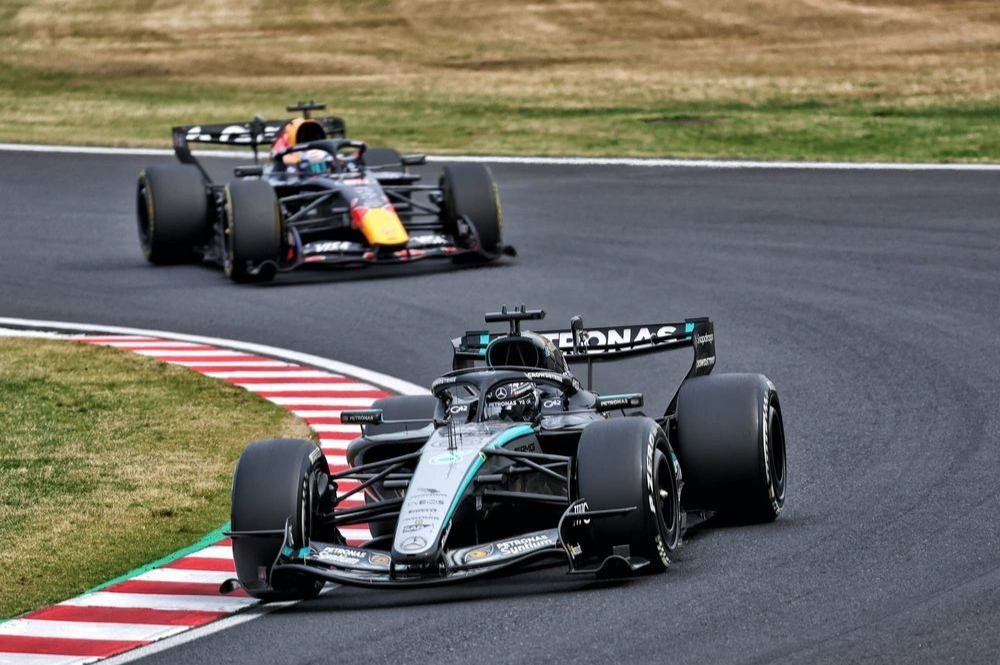
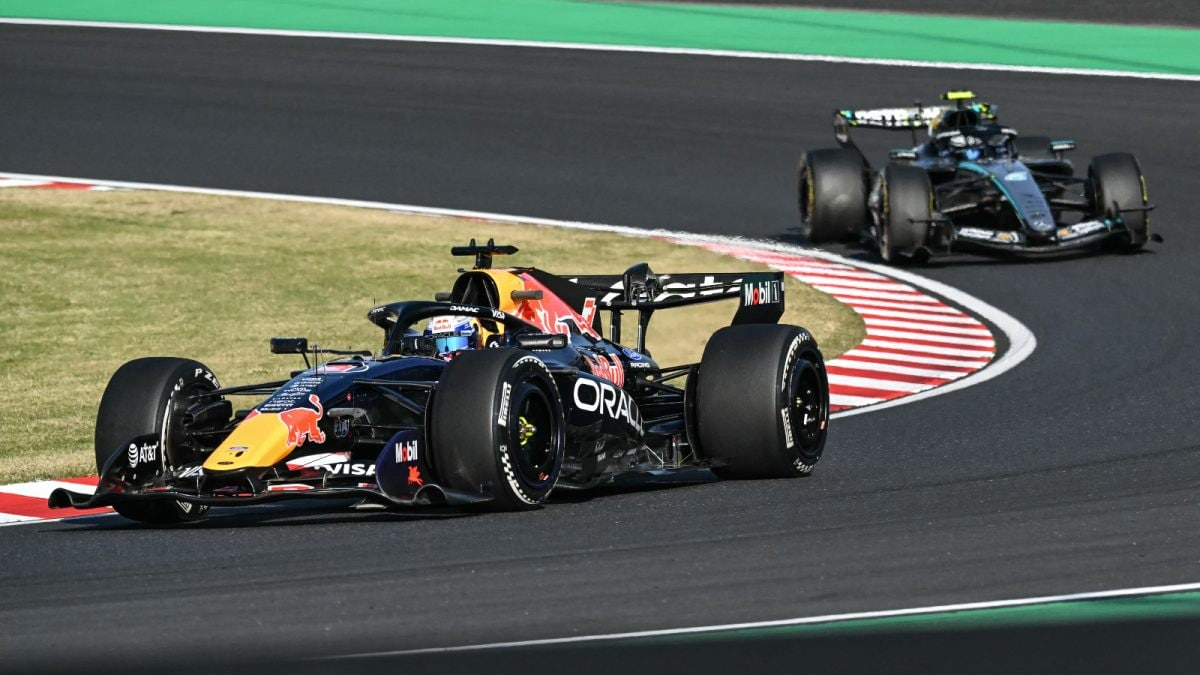
The practice began to be observed by rival teams at the Australian Grand Prix and generated greater concern during the Japanese Grand Prix. In the tests at Suzuka, drivers such as Kimi Antonelli and Max Verstappen suffered sudden power losses, while Alex Albon, a Williams driver, even had to stop on the track, evidencing the risks of the maneuver.
The International Automobile Federation (FIA) decided to put an end to a strategy used by Mercedes andRed Bull in qualifying that allowed them gain a power advantage in the final meters of the fastest lap. As revealed by The Race, both teams had found a way to avoid the progressive reduction of electrical energy required by the regulations through the use of thehybrid system, specifically the MGU-K.
The regulations require a reduction in power delivery in the final stages, but the teams were able to sustain it until they crossed the finish line, obtaining an estimated gain of between 50 and 100 kilowatts.
The mechanism consisted of disabling the MGU-K using a software mode designed for technical emergencies. Although this option was allowed in cases of mechanical risk, its systematic use for competitive purposes set off alarms. As an initial response, the FIA established that, when deactivating the system, it would be locked for 60 seconds, which in theory negated any benefit
. Red Bull and Mercedes take advantage of the MGU-K disconnect
However, both Mercedes and Red Bull detected that they could apply the maneuver just before the finish line, thus avoiding the impact of the blockade on the next lap. In this way, they achieved the improvement without suffering consequences on immediate performance
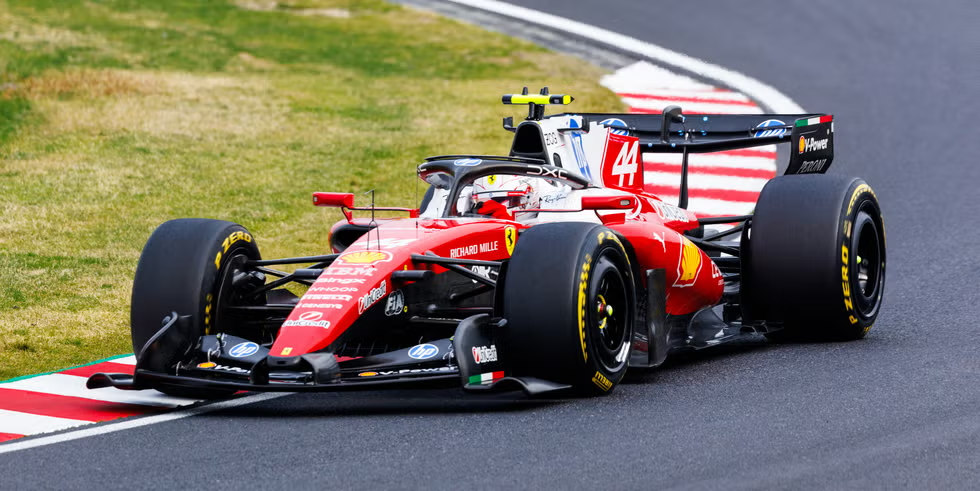
Faced with this scenario, teams such as Ferrari carried out formal consultations for legality and, especially, for the implications in terms of safety. The central concern was that a car without power in full speed could generate dangerous situations with other cars at high
speed. Ferrari was one of the main critics of the strategy
Finally, the FIA intervened definitively. Through a technical update sent to all teams, it banned the systematic use of the MGU-K's disconnection mode as a performance tool. From now on, it can only be used in genuine emergency situations, and telemetry data will be monitored to
verify its correct application.
With this decision, the federation seeks to guarantee sports fairness and avoid maneuvers that, even if they meet the limit of the regulations, could compromise safety on the track.