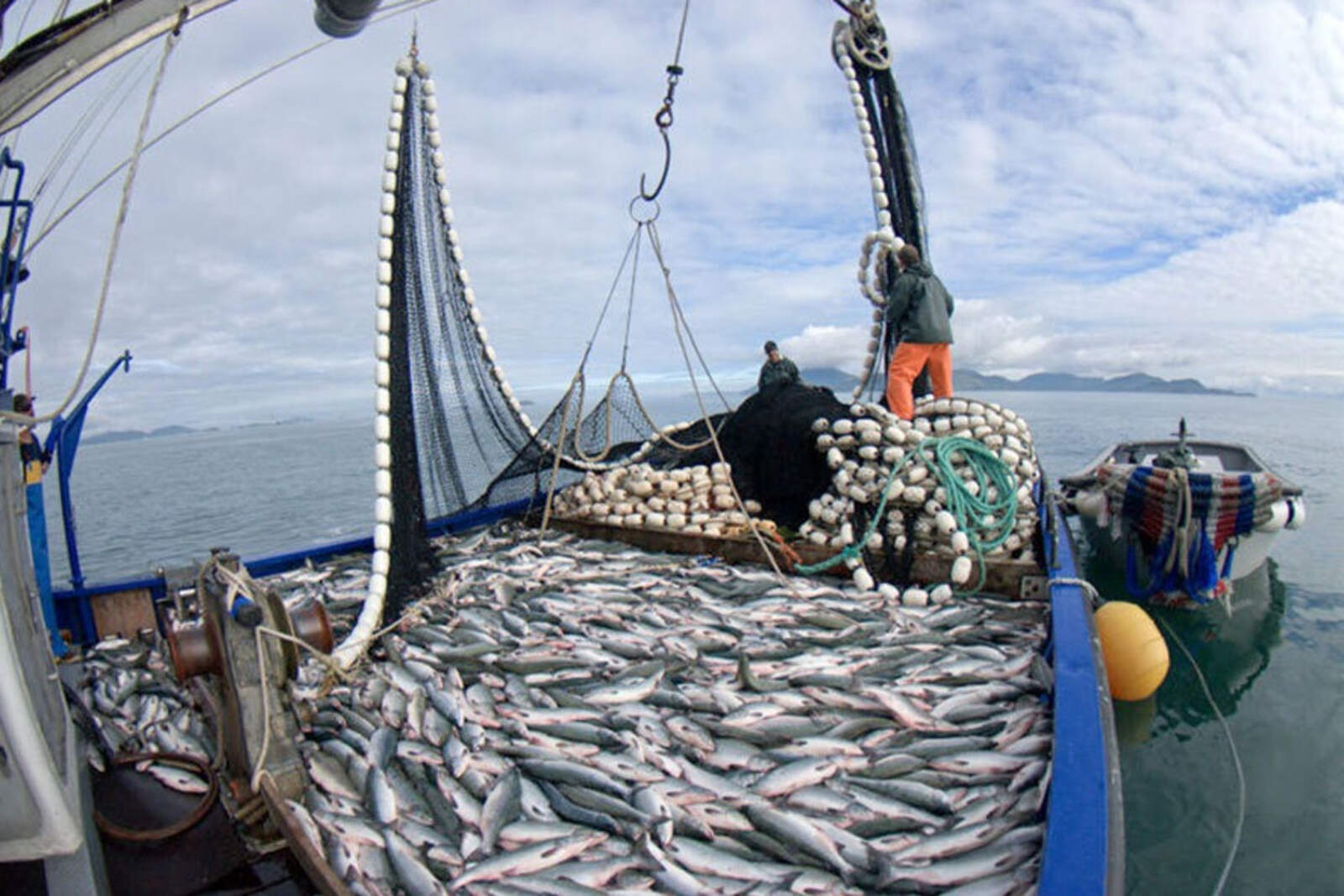
INDEC's fishing IPI reached its highest level of the year: +55.3% year-on-year and +3.5% month-on-month
Compartir:
The economic recovery driven by Javier Milei's government is beginning to be reflected in the productive sectors. According to the Industrial Fishing Production Index (IPI) from INDEC, fishing activity grew 55.3% year-on-year and 3.5% compared to August, its best monthly record so far this year. This data confirms a change in trend in an industry that for years was constrained by macroeconomic instability and export restrictions.
The growth was mainly supported by maritime fishing, which increased 57.7% year-on-year, and aquaculture, which rose 39.1% in the same period. Despite the rebound, the drag from the first half still leaves a negative balance: from January to September, maritime fishing shows a decrease of 19.6%, while aquaculture remains on the rise with 36.5%. The monthly trend shows a clear reactivation of the sector following operational normalization and improved incentives.
Oficinas.
By species type, crustaceans were the main drivers of the surge. Their production skyrocketed 84.1% year-on-year, accounting for more than half of the index's improvement. Fish recorded a marginal increase of 0.9%, while mollusks fell by 35.6%. In terms of impact, crustaceans contributed 56 percentage points to the IPI's year-on-year variation.
There was also a notable improvement in fleet performance. Fresh fish vessels increased their activity by 75.8% year-on-year, and freezer vessels did so by 54.7%. Improved port operations and greater exchange rate predictability allowed activity to normalize, after years of paralysis caused by erratic policies and logistical overcosts.
Caputo resaltó que el país cerró 2024 con cifras económicas sorprendentes.
The external context reinforces this trend. During the third quarter of 2025, Argentina reached a historic record in export volumes, with a 12.9% year-on-year increase and a 23.2% rise compared to the same quarter in 2022. Current volumes even surpass the previous peak, recorded in 2010, with 5.1% more than at that high point. Meanwhile, agribusiness exports reached 4.93 billion dollars in September, 21% higher in value and 14% higher in volume year-on-year, the best performance for that month in the last four years.
The data confirm that, with a government that stops suffocating those who produce and export, the real economy responds. The contrast with the years of controls, export taxes, and restrictions is striking: tradable sectors, such as fishing, are beginning to regain momentum under a framework of predictability and economic freedom.