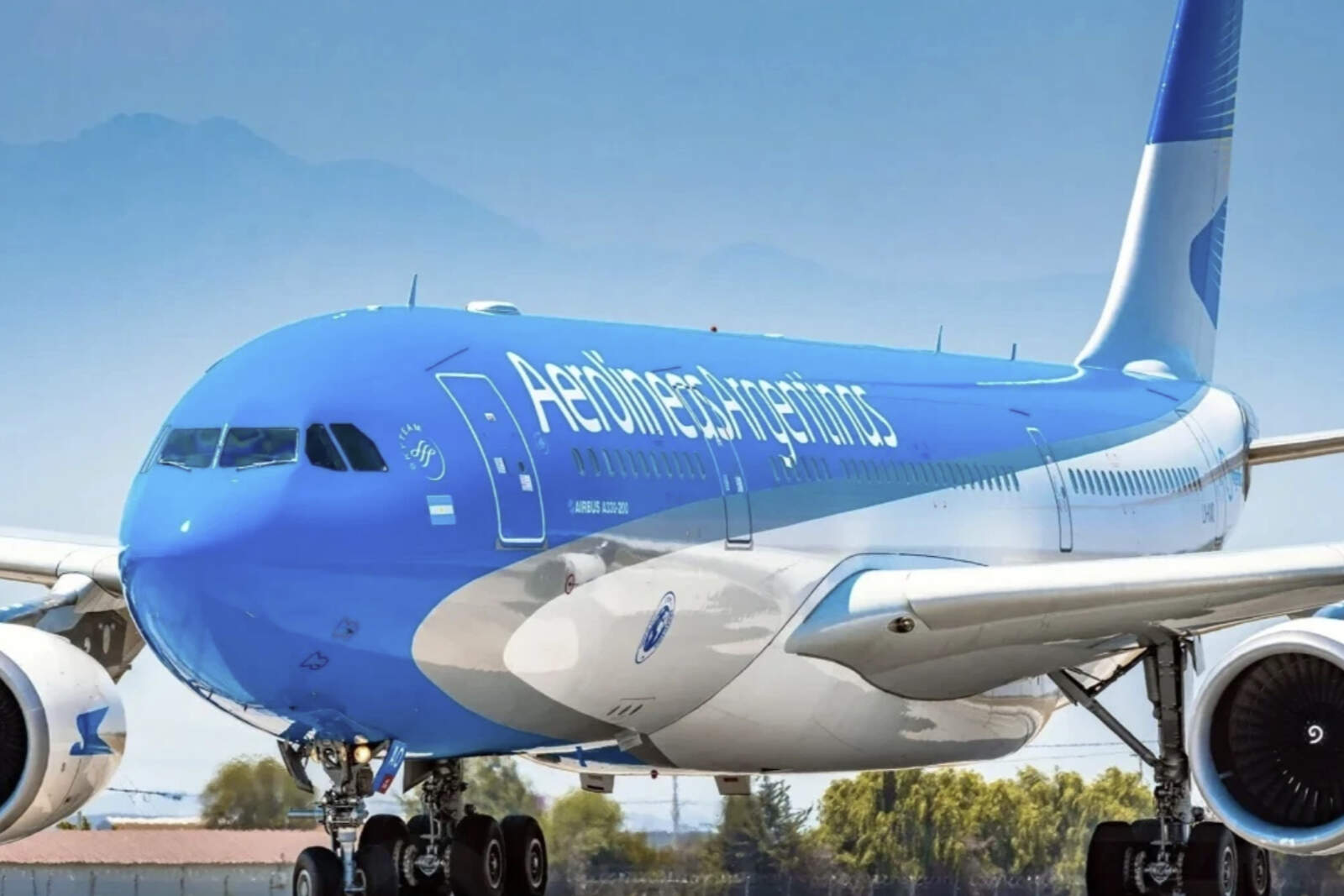
Aerolíneas Argentinas closed fiscal year 2025 with an operating surplus of USD 112.7 million, almost double the USD 56.6 million recorded in 2024. This is the second consecutive year in positive territory. In addition, this is the first period since its renationalization in 2008 in which the company did not require transfers from the National Treasury.
With revenue exceeding USD 2.22 billion, the result marks a structural break compared with the 2008–2023 period. In those years, the company posted average operating losses close to USD 400 million per year and required more than USD 8 billion in state assistance.
This is not just a technical figure. In practice, it means that the company has stopped being a permanent expense for the State—paid with Argentinians' taxes—and now can sustain itself. What it collects from ticket sales is enough to pay its operating costs without asking the Treasury for money.
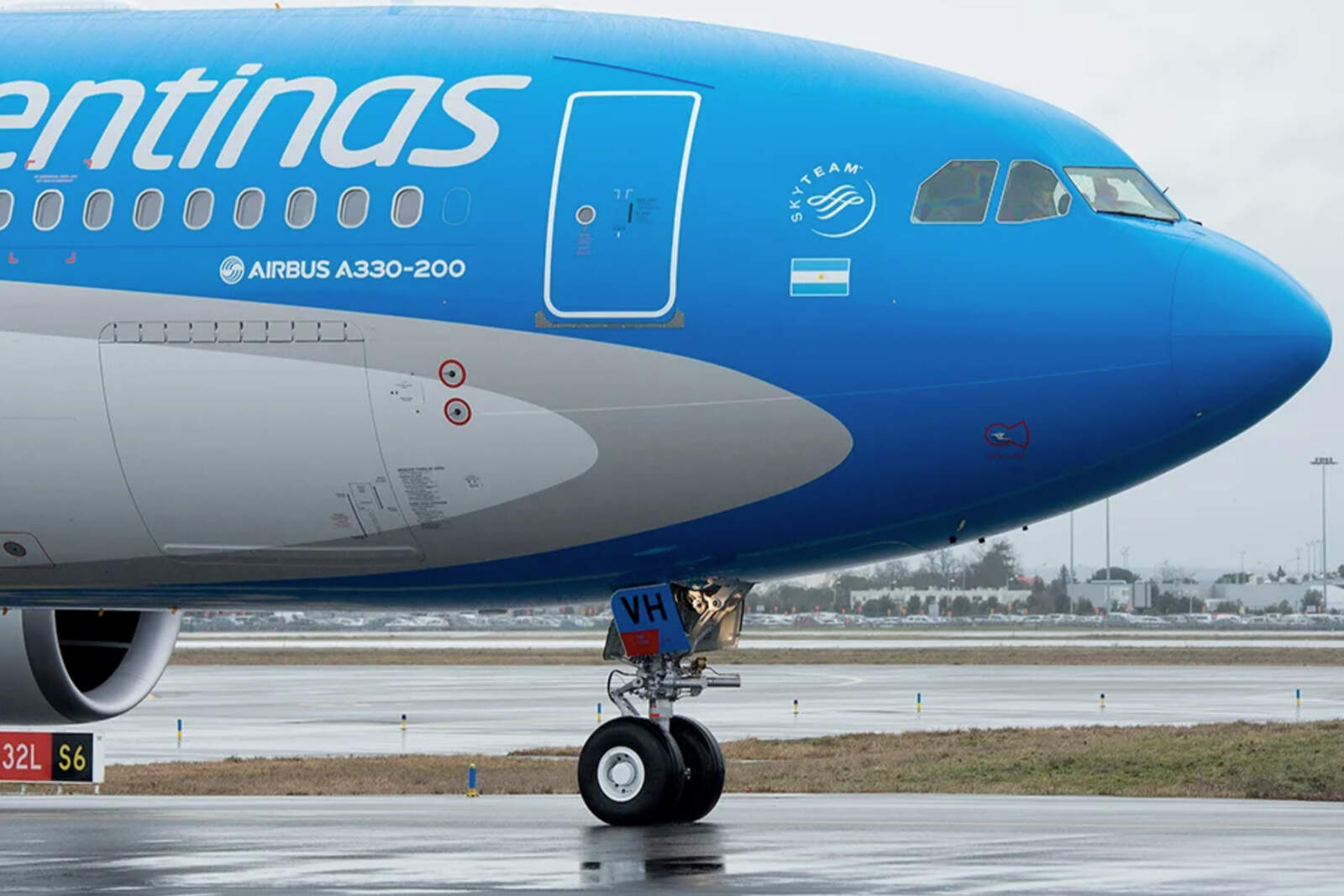
Operational efficiency: more productivity while maintaining the level of activity
The 2025 surplus did not result from a contraction of operations, but from improvements in productivity and resource allocation. The company maintained a volume of flight hours similar to 2024, with superior metrics:
- Passengers carried: 12,781,016 in the year (35,016 per day).
- Load factor: 83% on a network of approximately 300 daily flights.
- Operational performance: 99.4%.
- NPS (Net Promoter Score): 55 points.
From an economic perspective, an 83% load factor in a broad network structure makes it possible to dilute fixed costs per available seat-kilometer (ASK). This way, the company manages to improve the operating margin without needing to expand capacity aggressively.
Financial cleanup and reduction of leverage
One of the pillars of the result was deleveraging. Between December 2023 and December 2025, bank and financial debt fell by 41%. It went from USD 341.9 million to USD 207.4 million, an unbelievable achievement in just two years.
The reduction of the debt stock lowers the financial burden and improves the debt/EBITDA ratio, strengthening the equity position and the ability to access financing under more competitive conditions.
In parallel, during 2024 structural adjustments were implemented: elimination of 85 management positions, a 13% reduction in headcount, and cancellation of unprofitable routes. These decisions had a direct impact on the fixed cost structure and on the operating break-even point.