The ruling party obtained a ruling in the Senate for the so-called Law of Inviolability of Private Property, one of the projects promoted by President Javier Milei to reform the eviction, expropriation, and rural land regulation system. The initiative is ready to be debated in the chamber in the coming weeks.
Senator Patricia Bullrich celebrated the legislative progress and assured that it is a package of reforms that the “most reformist Congress in history will turn into law.” Among the main points included are the express eviction law, strengthening private property against expropriations, eliminating bureaucratic hurdles for land acquisition, and modifications to the Fire Management Law.
The Government achieved a ruling in the Senate.
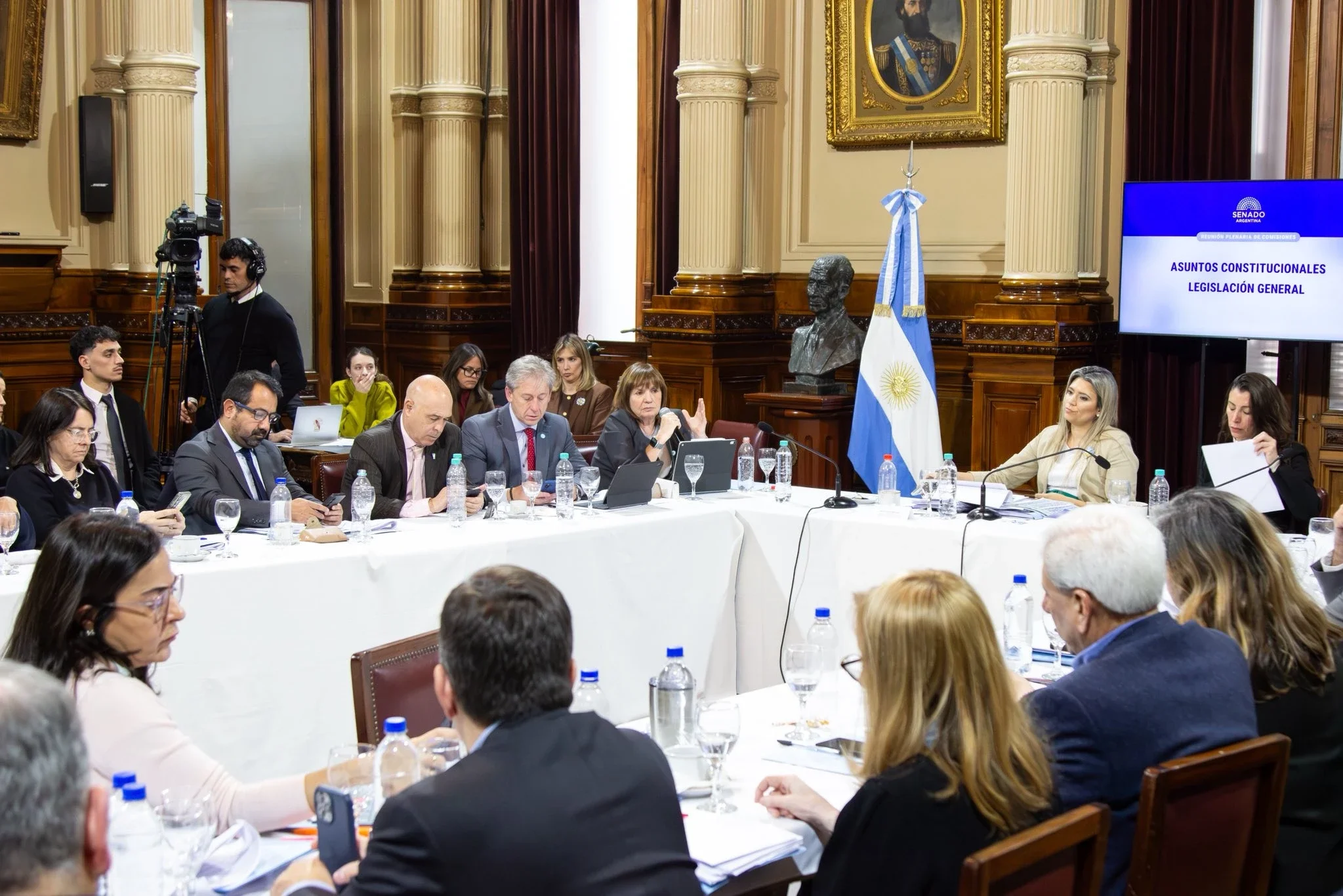
The discussion took place in a plenary session of the Constitutional Affairs and General Legislation committees, where the ruling party managed to gather the necessary quorum and signatures thanks to the support of dialoguing sectors.
During the debate, Bullrich explained that the project was modified after receiving proposals from specialists and different parliamentary blocs. One of the most relevant changes was the differentiation between squatters and legitimate occupants in eviction processes, aiming to avoid legal loopholes that for years favored illegal occupations and judicial conflicts.
Additionally, the text incorporates limits on lost profits in cases of expropriation, sets concrete criteria for interest calculation, and eliminates the chapter related to the National Register of Popular Neighborhoods (RENABAP), a point that had generated controversy both inside and outside the ruling party.
Another central axis of the reform targets rural lands. The proposal grants greater autonomy to provinces to define restrictions on land purchases by foreigners, strengthening the federalist criterion promoted by the Government. However, in border areas, national intervention will still exist.
Changes were also made to the Fire Management Law, especially regarding restrictions imposed after forest fires. The ruling party questions the regulations approved during the Kirchner era, considering that they created excessive hurdles and affected agricultural and productive activities.
From the Peronist opposition, attempts were made to halt the ruling, arguing a lack of time to analyze the modifications introduced to the project. Kirchnerist legislators such as Florencia López and Jorge Capitanich called for new meetings and public hearings, while other opposition sectors raised concerns about the scope of the reforms.
However, the ruling party managed to advance and set in motion one of the initiatives that the Casa Rosada considers key within its agenda of structural reforms, aimed at reinforcing legal security, protecting private property, and reducing regulations inherited from previous governments.